Google Earth has rolled back its Nano Banana AI image generator after users produced misleading visuals that violated policy (e.g., toppled landmarks, fake nuclear plants, refugee queues); Google says AI-generated images were watermarked with SynthID and that stronger guardrails will be implemented before the tool returns.
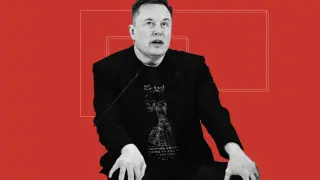
Minnesota’s Nudification Ban took effect Saturday, letting victims sue app providers and imposing fines up to $500,000 per generation or per access for nudification—defined as non-artistic alterations of a recognizable person’s image that expose intimate parts. xAI sought a temporary restraining order to block enforcement, but District Judge Donovan Frank denied the request, keeping the law in place. Critics argue the statute’s breadth could sweep in AI-generated images, while supporters say it protects people from exploited imagery. The Grok chatbot’s prior role in creating sexualized images contributed to the push for the law; xAI says it has since curtailed those capabilities and maintains a zero-tolerance stance on exploitation.
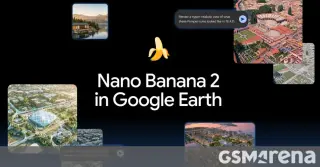
Google has integrated its Nano Banana 2 AI image generation model into Google Earth on the web, letting users generate custom images from satellite, aerial, and 3D imagery by describing what they want. Teachers can render historical sites for lessons, and users can create infographics, plan real estate, visualize projects, or give places a new look. The feature is now globally available on Google Earth for the web.
Google Earth on the web now uses Gemini's Nano Banana 2 to generate AI images and visual explainers from real-world locations, enabling users to sketch redesigns or learn about places from actual maps, with global rollout beginning today.
Google has integrated its Nano Banana AI image generator into Google Earth, enabling users to visualize past or hypothetical scenes (like Pompeii in 78 AD) and create location-based infographics and pre-construction visuals, offering educational and real-estate planning uses while noting potential accuracy limits.
Google Images is getting its biggest refresh in years: a personalized, real-time homepage with a collections-based gallery, plus AI-powered image generation directly in AI Overviews using Google's Nano Banana model, enabling users to create new images from prompts without leaving the search results.
Meta unveiled Muse Image, the company’s first in-house image-generation model from Meta Superintelligence Labs led by Alexandr Wang. Available for free via the Meta AI app, WhatsApp, and Instagram, with paid plans for power users, Muse Image will also power advertiser-specific image tools through Advantage Plus. Meta says the model brings native reasoning to the creative process, enabling on-brand variations with fewer iterations, and plans to release Muse Video later. Internal benchmarks show Muse Image trails OpenAI’s GPT Image 2 but outperforms Nano Banana 2 in image-editing tasks, as Meta looks to diversify revenue beyond ads and reduce reliance on third-party models.
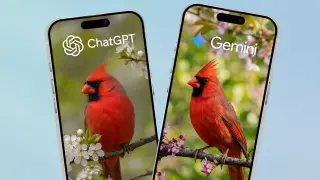
In a seven-prompt face-off, Tom's Guide pits OpenAI's ChatGPT Images 2.0 against Google's Nano Banana 2. ChatGPT Images 2.0 generally delivers more photorealistic results with accurate lighting, legible text and better spatial coherence, earning the overall win, while Nano Banana 2 excels in specific prompts—such as window reflections and hands—highlighting complementary strengths and signaling an era where intent and design matter as much as realism.
OpenAI’s ChatGPT Images 2.0 adds thinking capabilities that can search the web to inform image generation, letting you produce up to eight images from one prompt with consistent characters and styles; it supports 2K resolution across more aspect ratios and multilingual text, with the new thinking model available to Plus, Pro, Business, and Enterprise subscribers and access for all ChatGPT users to the web-informed features amid growing competition from Google and Microsoft.
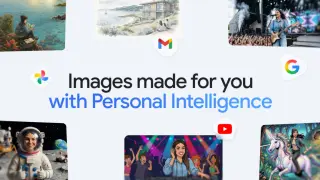
Google is enabling its Gemini AI to generate personalized images by linking users’ Google Photos to the Nano Banana 2 editor via the Personal Intelligence feature. Once opted in, Gemini can use a user’s photos and labels (e.g., Family) to produce images from simple prompts, with a sources button to show how context was derived. Google says it does not directly train its models on private photos. The feature rolls out in the US over the next few days to eligible AI Plus, Pro, and Ultra subscribers on Chrome desktops, with broader availability planned later.
Google's Gemini now lets paid AI subscribers connect to Google Photos via its ‘personal intelligence’ feature, enabling Nano Banana 2 to generate personalized images using your photos and their labels. Prompts can reference terms like “family” or “dog” to pull relevant pics, with Gemini either selecting images automatically or allowing manual picks. Google says it does not train on your photos, though inputs and outputs may be used to improve products; the feature is opt-in, off by default, and initially limited to paid plans (Nano Banana link available on the budget Plus tier).
TechRadar assesses Google's Nano Banana 2 by presenting five diverse prompts to test its reasoning and image-generation abilities. The prompts push the model to handle physical logic (a glass sphere with nested text), multi-subject scenes (a steampunk airship crewed by animals), localization and design (a board game layout with localized typography), high-energy action (a medieval knights vs. graffiti robots breakdance), and a geo-accurate twilight Seattle scene with Space Needle. The piece highlights Nano Banana 2’s ability to plan compositions before rendering, maintain subject coherence across complex scenes, and demonstrate web-grounded typography, suggesting it reaches new heights in logical, spatial, and textual thinking. Google frames it as a substantial upgrade, though appeal may vary by taste.
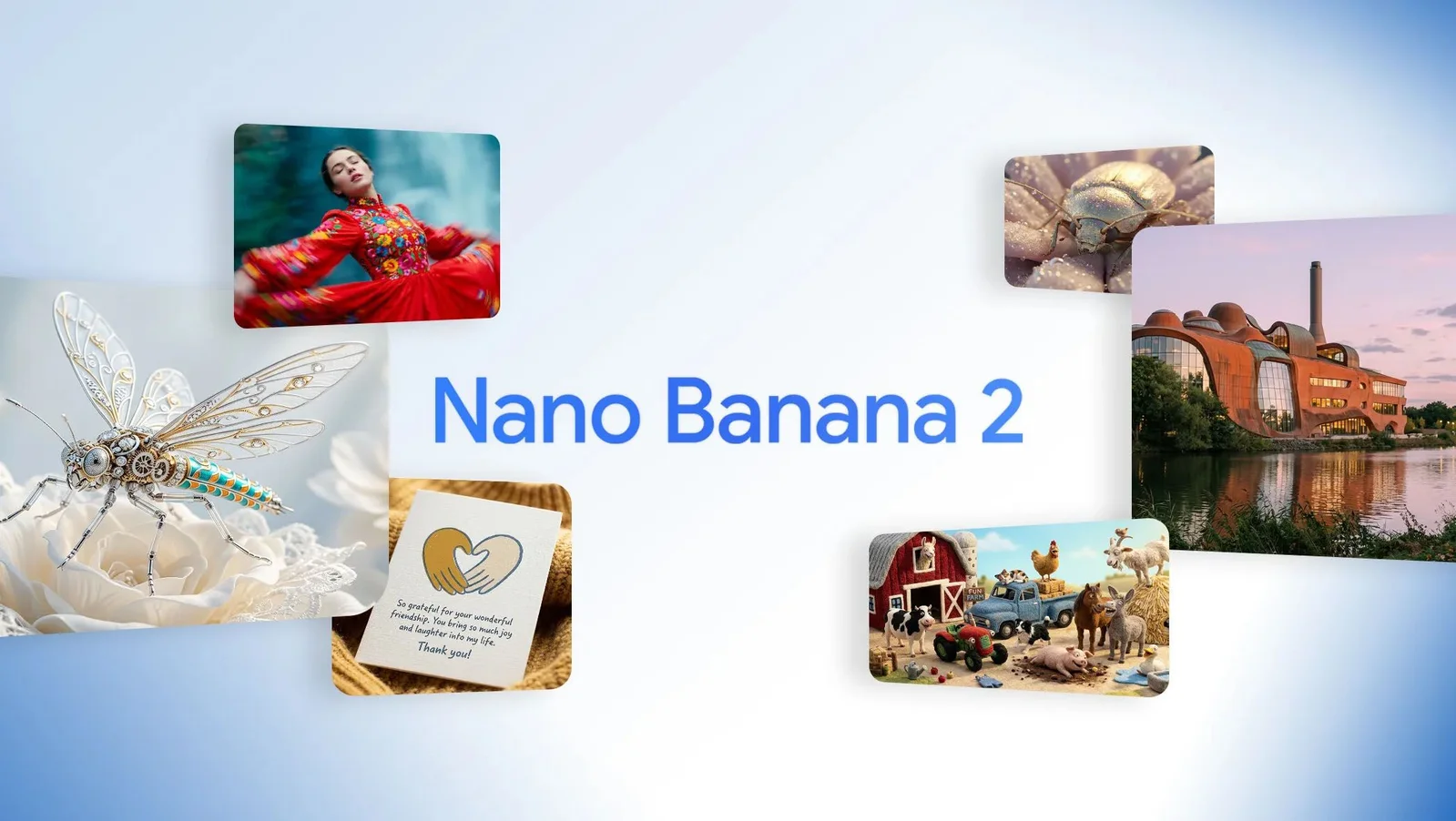
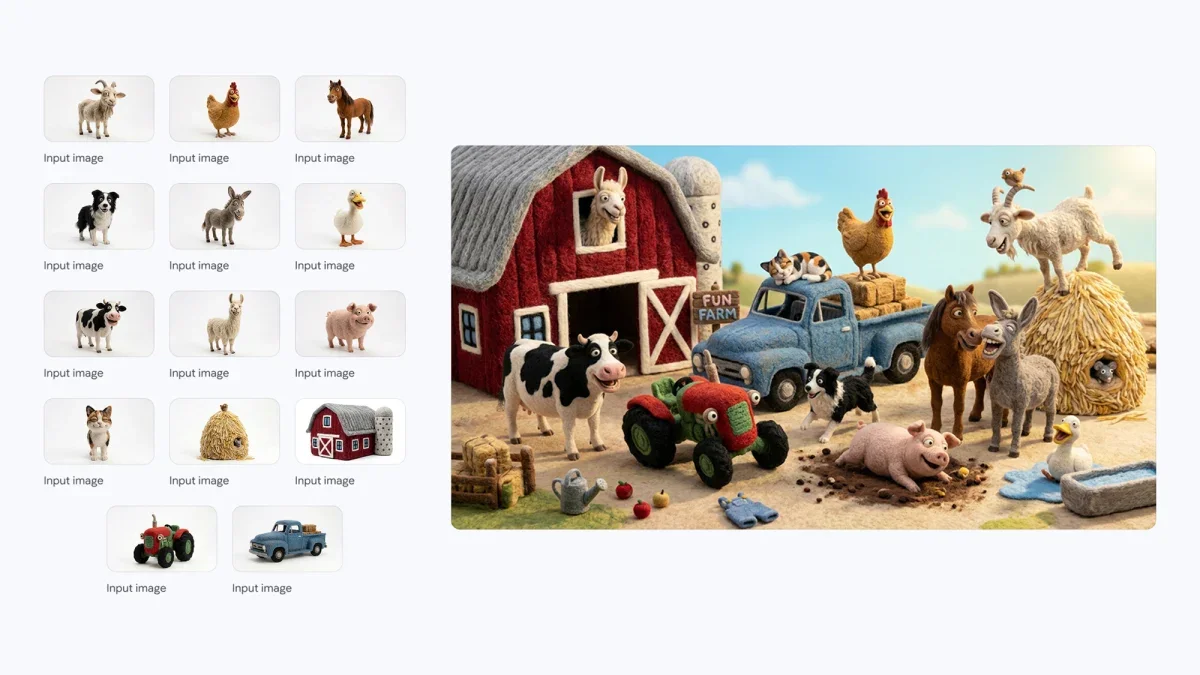
Google's Nano Banana 2 speeds up Gemini image generation, merging Nano Banana Pro features with faster rendering, real-time data support (like weather), better text accuracy, and a range of presets. It’s the default in many Gemini workflows, with usage limits that scale by plan (free users get fewer generations, Pro and Ultra use higher caps). Pro remains the benchmark for highest fidelity, but Nano Banana 2 delivers near-Pro quality more quickly; results can still include occasional spelling or realism glitches, and AI-generated images are watermarked with SynthID.
Google launches Nano Banana 2, a faster, more capable AI image generator and editor integrated into its Gemini chatbot, capable of pulling real-time web data for infographics and editing photos, but it can still produce imperfect results and requires scrutiny of AI-generated visuals.
Elon Musk's Grok chatbot has restricted some image generation features to paid X subscribers following controversy over inappropriate content, while other features remain free. The move comes amid global concerns about AI safety and misuse, and despite high user engagement and significant funding for xAI.