A Situational Awareness filing reveals AI-driven bets prior to a forced sale of a portfolio to Citadel, highlighting how automated strategies may intersect with large asset disposals.
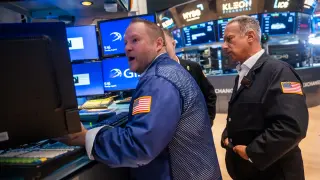
After July's momentum-stock slump, the S&P 500 pushed to new records, aided by broad leadership and a relief rally to Fed signals, suggesting near-term upside. However, analysts warn the move may have been fueled by leverage-driven gains rather than solid fundamentals, leaving room for a pullback. With 2026 earnings expected to rise around 30% and healthy GDP, the backdrop remains constructive, but secular risks—overvaluation, overbought conditions, and the specter of a lost decade—keep a cautious stance.
Leopold Aschenbrenner, the so‑called ’Nostradamus of AI,’ is making another bold move by investing $400 million in a private company just days after his Situational Awareness hedge fund suffered a July blow‑up and dumped much of its public holdings. The fund has cut leverage, still controls billions in assets including a large stake in Anthropic, and remains profitable for the year thanks to strong first‑half gains as it navigates liquidity and risk amid ongoing market scrutiny.
Leopold Aschenbrenner’s Situational Awareness hedge fund lost about 67% in July as leveraged AI bets unraveled, forcing the bulk of its public holdings to be sold and leverage to be removed. The fund remains up roughly 80% for the year due to earlier gains and private investments, illustrating how a strong thesis can be overwhelmed by liquidity crunch and rapid deleveraging. The piece draws parallels to historic Wall Street blowups (LTCM, Amaranth, Archegos) to show that the core risk is not the idea itself but the speed at which borrowed capital can amplify losses when liquidity dries up. In short, removing leverage buys time, but lenders’ cash demands and market dynamics still dictate the exit, even as the AI investment thesis persists for the long term.
Leopold Aschenbrenner, a former OpenAI researcher who launched the AI-themed hedge fund Situational Awareness, saw its assets peak at about $45 billion before a market downturn forced a liquidation of levered bets—selling public AI names like SK Hynix and CoreWeave to Citadel at a discount and shrinking holdings to roughly $10 billion. The piece traces his meteoric rise, controversial background (FTX ties, OpenAI security memo, and Effective Altruism), and the volatility of AI-driven investing.
Situational Awareness, the hedge fund led by Leopold Aschenbrenner, is unwinding many trades and could be forced to liquidate assets after steep losses in AI infrastructure stocks and a poor bet against software names like Adobe. Prime brokers are helping the fund meet margin requirements and reduce positions, while the firm seeks liquidity by marketing stakes in private companies, including Anthropic. Its largest Q1 holdings—Nebius Group, SanDisk, Micron, and CoreWeave—have each fallen more than 35% this month, underscoring the fragility of the AI investing thesis that propelled the fund.
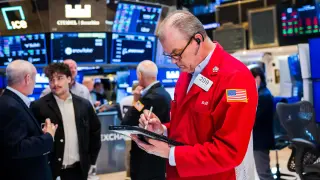
U.S. stocks closed at fresh record highs on Tuesday, with the S&P 500 above 7,600 and the Dow up about 229 points as the Nasdaq barely rose; futures were little changed after the session. Investors eye upcoming ADP payrolls and the final durable goods report, while analysts warn of a potential summer pause despite AI-driven demand. Medtronic and Macy’s are due to report before Wednesday’s opening bell, and after-hours moves included Palo Alto Networks, GitLab and Ulta Beauty amid ongoing geopolitical tensions in the Middle East.
In Mill Valley, Storm Duncan is proposing to swap his 13-acre estate for Anthropic stock in a private deal, with Duncan covering closing costs and allowing the seller to retain upside during any stock lockup. The plan is highly speculative and hinges on negotiations around a roughly $800 billion Anthropic valuation; no buyer has been secured yet.
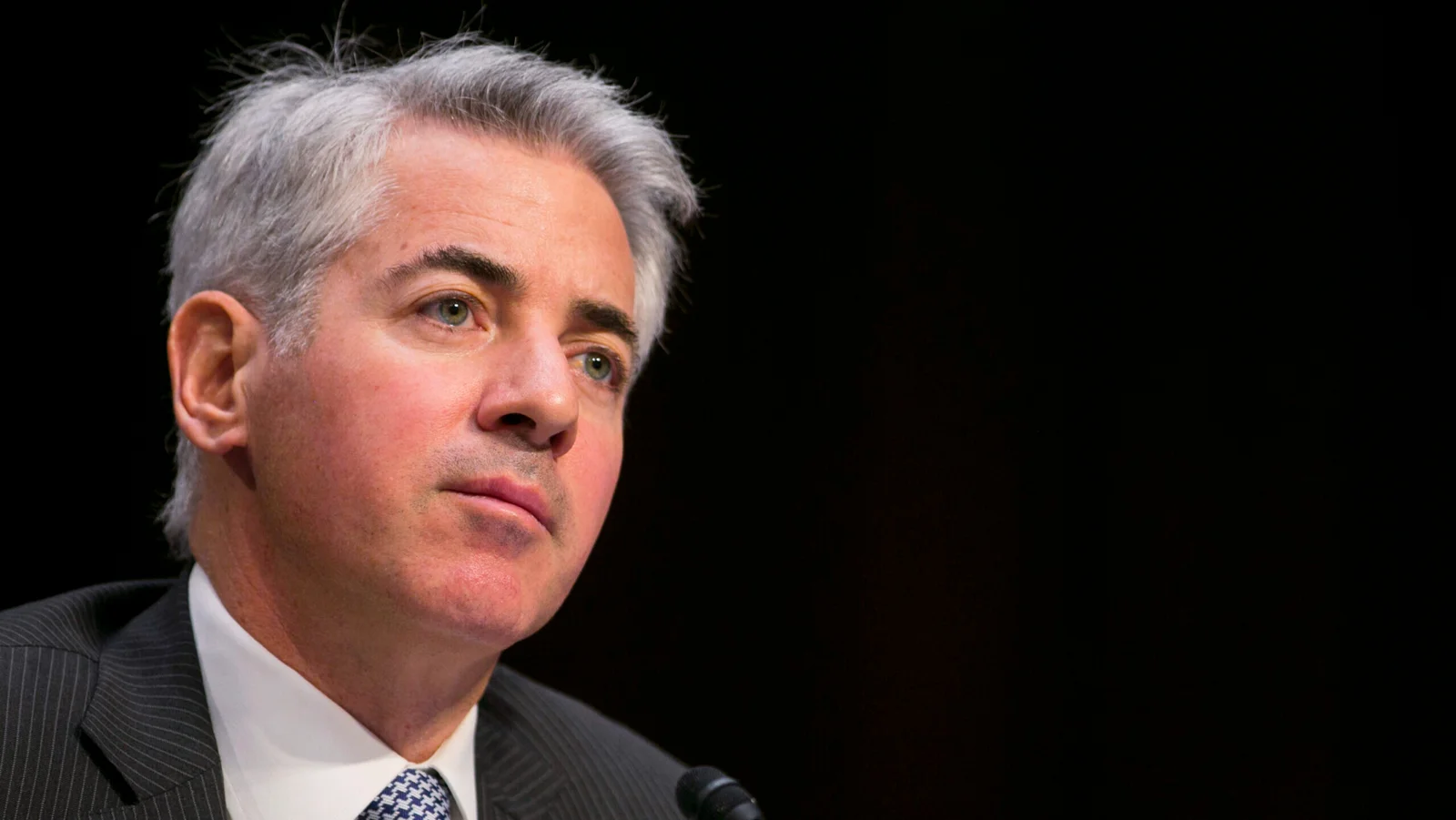
Hedge fund Pershing Square, led by Bill Ackman, posted a 34% return last year and is backing a roughly $2 billion stake in Meta Platforms, arguing that AI-driven efficiency and long‑term upside justify the bet despite an AI-driven market selloff. Ackman positions Meta as a Buffett-like value play at about 27x earnings, noting recent AI spending could pay off over time. The move follows prior bets such as on Amazon, and adds a concentrated, high-conviction stake to Pershing’s portfolio.
The piece argues that despite high AI stock valuations, Meta Platforms and Microsoft are dirt-cheap, high-quality AI leaders. Meta leverages a massive user base, ad revenue, and a dividend while pursuing AI tools for apps and ads; Microsoft benefits from cloud-driven AI growth and a broad AI infrastructure stack. Valuations around 22x for Meta and 24x for Microsoft are highlighted, with the author ultimately favoring Microsoft as the better single buy today due to stronger AI-driven revenue prospects and a relatively attractive forward multiple, while still acknowledging Meta as a solid option.
Peter Thiel's hedge fund Thiel Macro dumped Nvidia entirely and reduced its Tesla stake (76%), while initiating a position in Microsoft, signaling a shift from flashy AI bets to a diversified, enterprise-focused AI play. The move comes as Nvidia rode AI demand to new highs and Tesla faced questions over robotaxi viability, with Microsoft positioned as a safer, long-term AI monetization play through Copilot and enterprise software reach.
Sterling Stock Picker, an AI-powered stock education tool with real-time insights and personalized portfolio building, is available for a lifetime subscription at a discounted price of $55.19, down from $486, helping both beginners and experienced investors make smarter decisions.
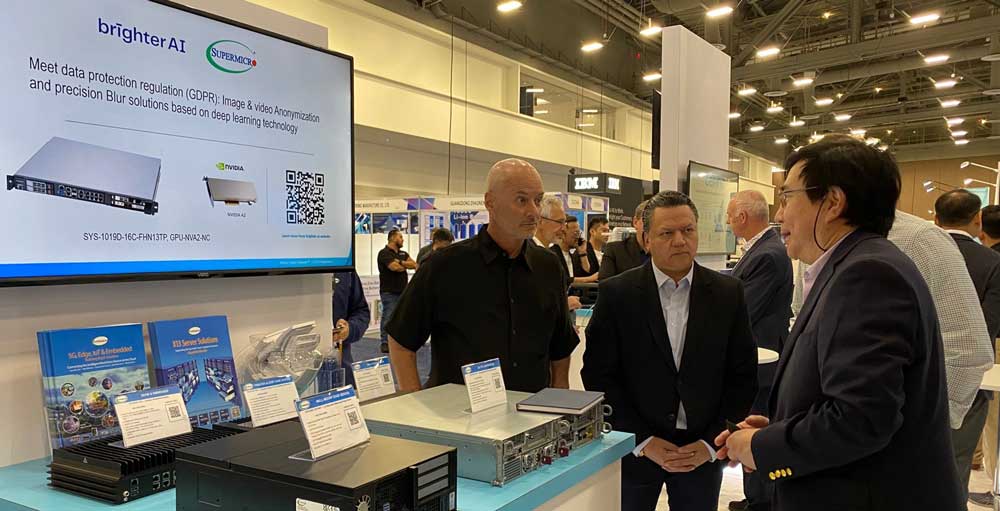
Super Micro Computer's shares plummeted after the company announced a plan to sell 2 million additional shares of common stock, causing its total shares outstanding to exceed 58.5 million. The stock had previously surged due to excitement around generative artificial intelligence, but fell 9% on the stock market following the news. Despite this, Super Micro stock still ranks first in IBD's computer hardware industry group and is on two IBD stock lists: Big Cap 20 and Tech Leaders.