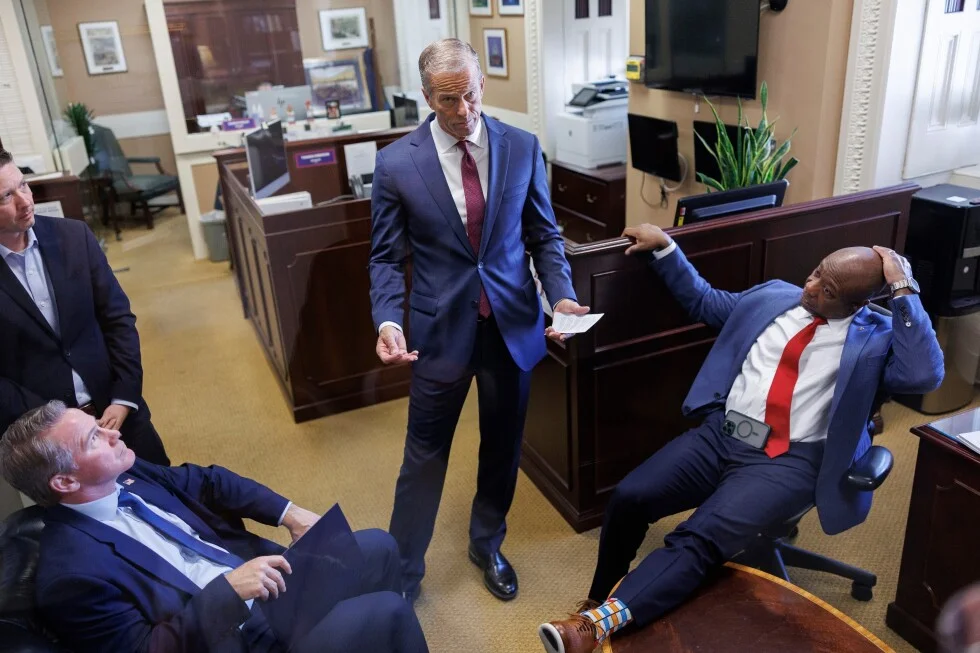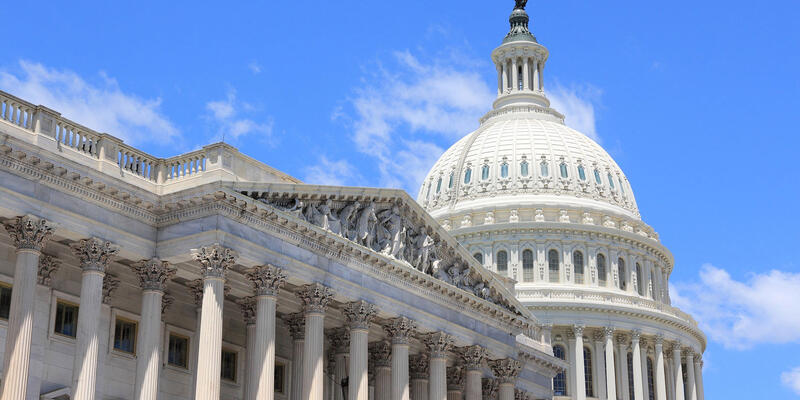
During a weekend session on a voting bill, Senate Republicans blocked an amendment addressing transgender athletes from being attached to the measure, signaling ongoing partisan maneuvering as the bill moves through the chamber.
Senator Mike Lee has proposed an amendment that could lead to the sale of U.S. national parks, threatening their preservation, local economies, and American heritage. The article urges citizens to call their senators to oppose this amendment and protect national parks from being sold or privatized.
The Senate is expected to vote on a deal to end the government shutdown, with key debates over hemp industry regulations and amendments, notably from Sen. Rand Paul. The legislation includes provisions that could impact hemp production, sparking opposition from industry advocates and some senators. Meanwhile, political leaders are maneuvering to pass the funding package, with discussions about regulatory reforms for cryptocurrencies and internal party dynamics also underway.
Sen. Rand Paul is blocking the Senate shutdown-ending bill over an amendment targeting Kentucky's hemp industry, demanding a vote to preserve the status quo, which could delay the bill's passage as Senate leaders race to end the 41-day government shutdown.
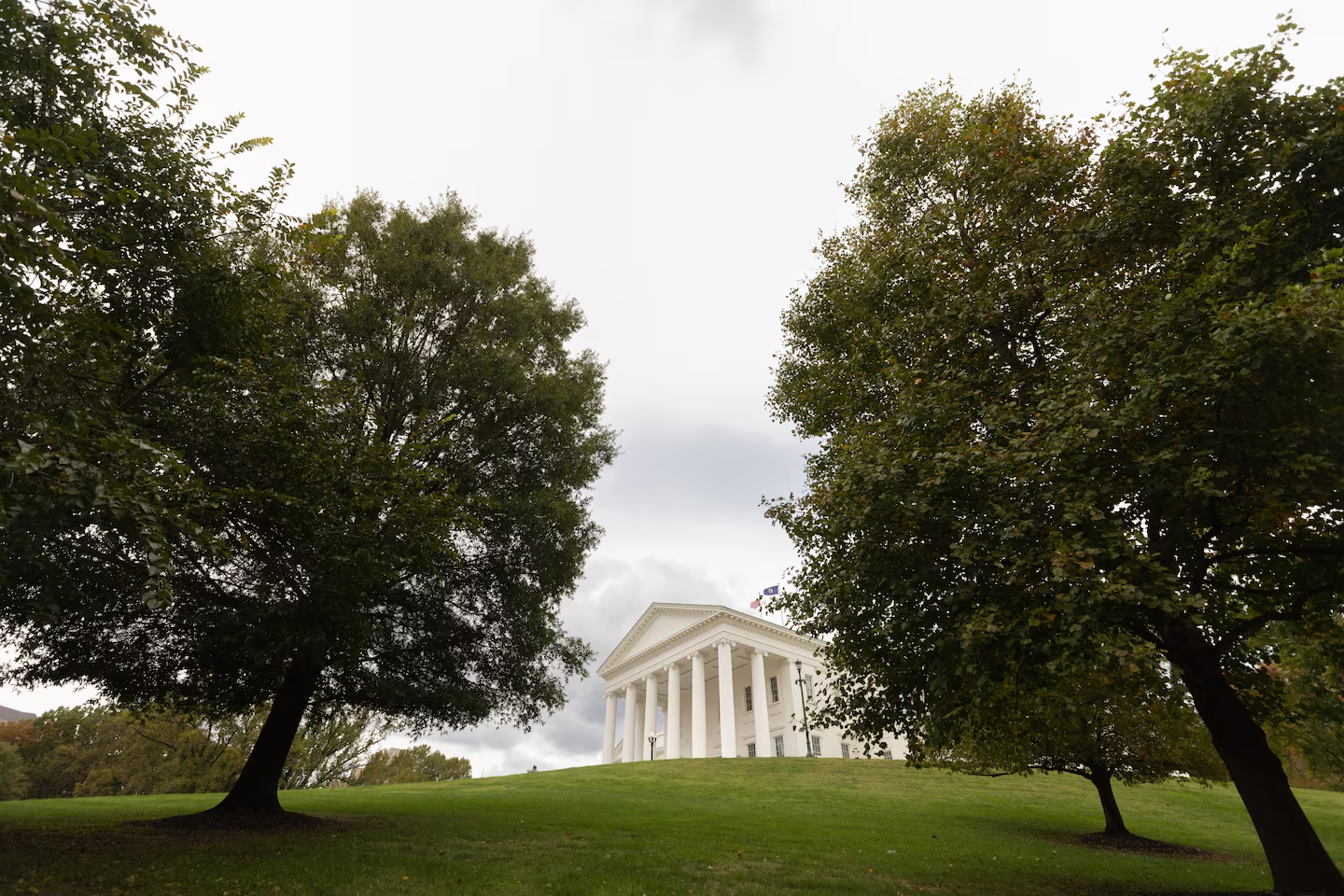
Virginia Democrats proposed a temporary constitutional amendment to give lawmakers emergency powers to redraw congressional districts outside the usual 10-year cycle, aiming to respond to national redistricting trends, with the measure requiring approval from the General Assembly twice and a voter referendum, amidst partisan debates and legal challenges.
Senate Republicans voted to block an amendment proposed by Chuck Schumer that would have mandated the release of Jeffrey Epstein investigation files, reflecting ongoing political debates over transparency and accountability, with the issue likely to resurface through a House discharge petition.
The article discusses the budgetary effects of a proposed amendment to H.R. 1, known as the One Big Beautiful Bill Act, as posted by the Senate Committee on the Budget on June 27, 2025.
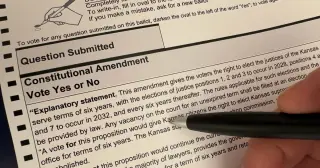
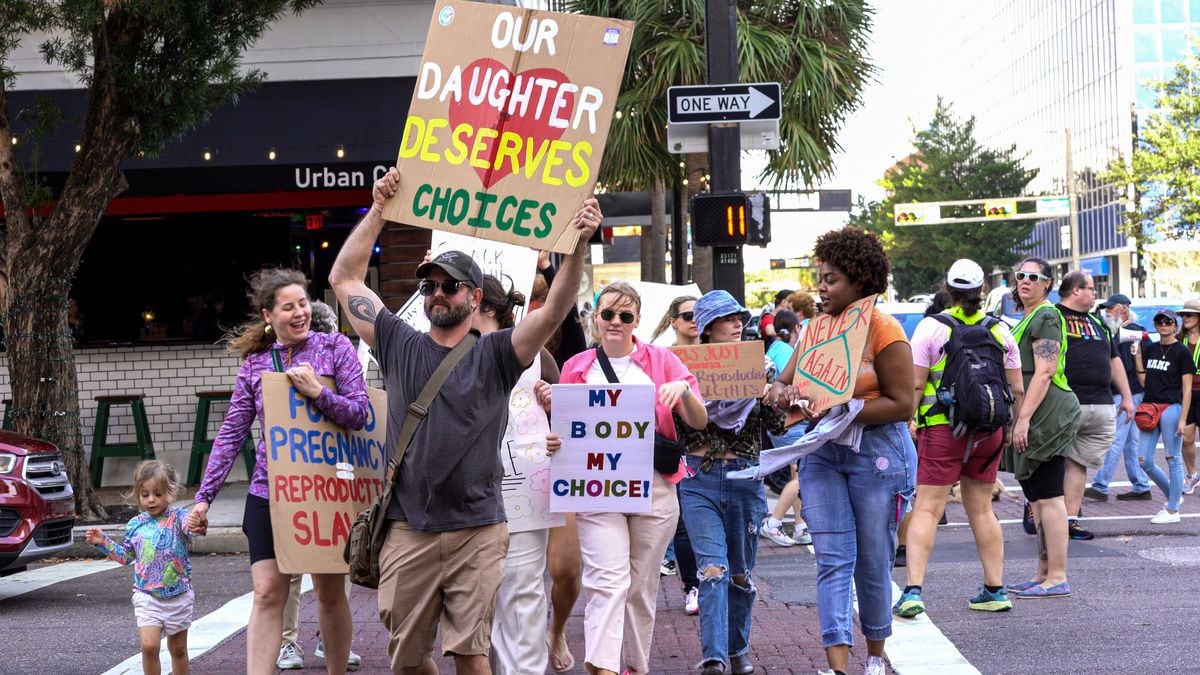
The Florida Supreme Court ruled that the state's Constitution does not protect access to abortion, allowing a 15-week ban to stand and triggering a stricter six-week ban to take effect in 30 days. However, the court also approved an amendment to go on the 2024 ballot that would protect abortion rights, with the potential to undo the six-week ban and other abortion restrictions if approved by at least 60% of voters. The decisions have raised mixed feelings among supporters and opponents of abortion rights, and the amendment's broad language has sparked debate about its potential impact on the rights of the unborn.
An initiative to constitutionally protect abortion rights in Florida has gathered enough signatures to potentially be placed on the November ballot. The proposed amendment, which aims to prevent laws that prohibit or restrict abortion before viability or when necessary for the patient's health, now awaits approval from the Florida Supreme Court regarding its wording. While supporters are optimistic, State Attorney General Ashley Moody has raised concerns about the amendment's language, particularly the term "viability." The court is set to hear oral arguments on February 7.
California lawmakers have approved a resolution proposed by Gov. Gavin Newsom calling for a convention to add an amendment to the U.S. Constitution to raise the minimum age to purchase a gun from 18 to 21, require universal background checks, institute a waiting period, and ban civilians from buying assault weapons. However, amending the Constitution is a difficult process, requiring either two-thirds of state legislatures or a two-thirds majority vote in both houses of Congress. Concerns have been raised about the possibility of a convention leading to other amendments, and it remains to be seen if the resolution can gain enough support from other states.
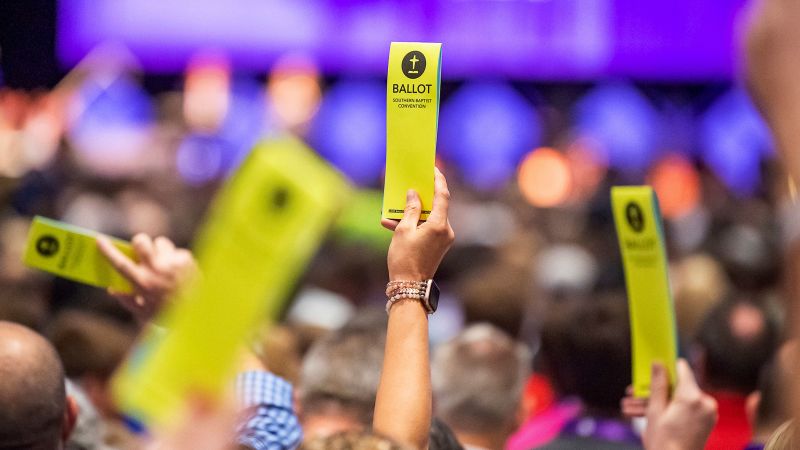
The Southern Baptist Convention has voted to uphold the removal of Saddleback Church, a major southern California congregation founded by Rick Warren, due to its having women pastors. The representatives at the conference in New Orleans also voted to affirm the ousters of two other churches, including Fern Creek in Louisville, Kentucky, which has had a female pastor since 1993. The vote to uphold those removals came just a few hours before a two-thirds majority of the Southern Baptist Convention voted to approve an amendment to its constitution that would more broadly prohibit churches from having women hold any pastoral title.
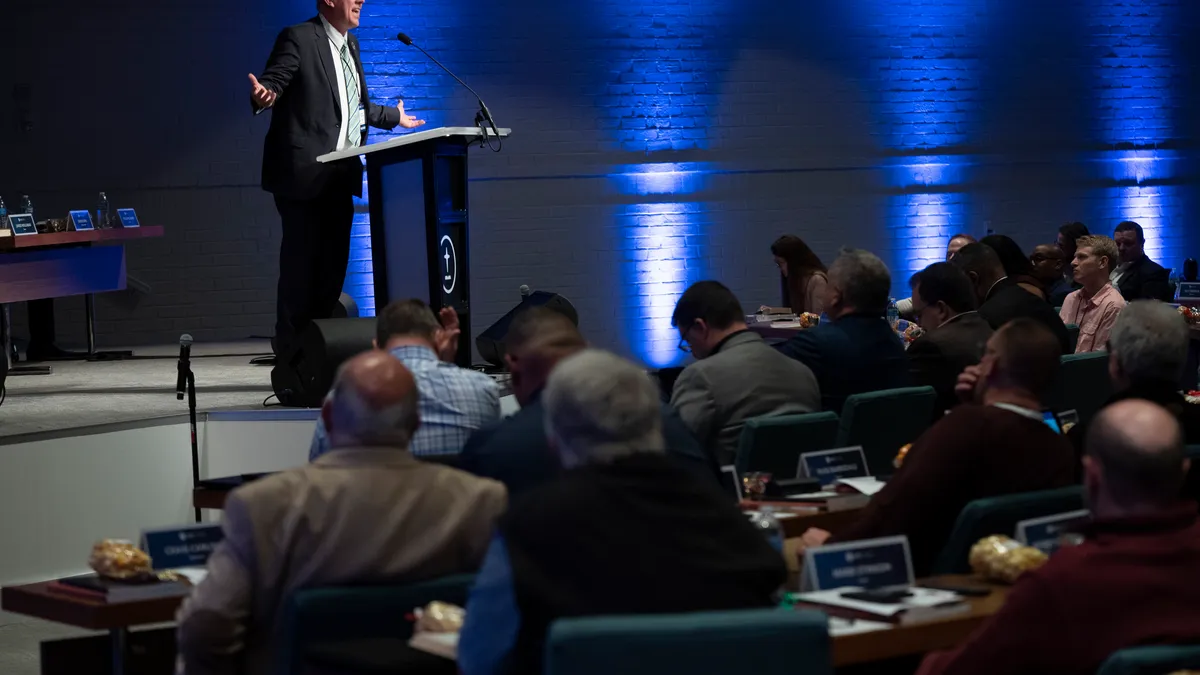
The Southern Baptist Convention Executive Committee has approved a motion for the full convention to vote on a proposal to enshrine a ban on women pastors. The amendment is one of several major decisions facing Southern Baptist voting delegates, called messengers, that will permanently affect the status of women pastors in the SBC. The proposed amendment is to the SBC constitution and would make it a requirement for a church to affiliate with the SBC that no women at the church hold the title of pastor.