Abraham Foxman, who led the Anti-Defamation League for nearly three decades and fought antisemitism and prejudice, died in New York on May 10, 2026, at age 86, leaving a legacy as a powerful watchdog though not without controversy.
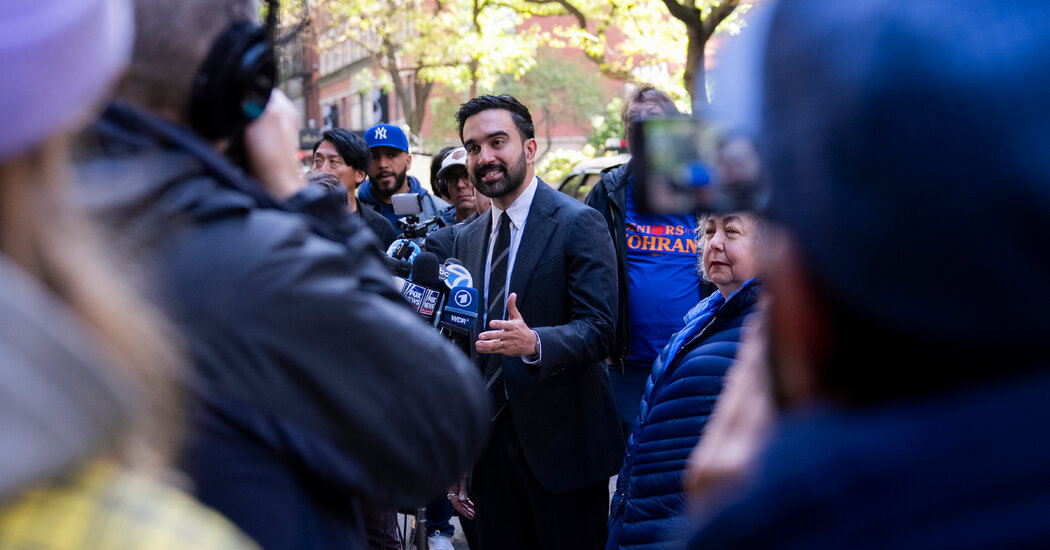
The Anti-Defamation League has launched the 'Mamdani Monitor,' a website and tip line to track actions by Mayor-elect Zohran Mamdani that could be seen as antisemitic, amid criticism of his positions on Israel. The initiative has sparked controversy, with some Jewish groups and critics arguing it reflects bias and hostility, while the ADL claims it is a data-driven effort to ensure Jewish community safety. Mamdani responded by emphasizing his commitment to fighting antisemitism and working with Jewish leaders.
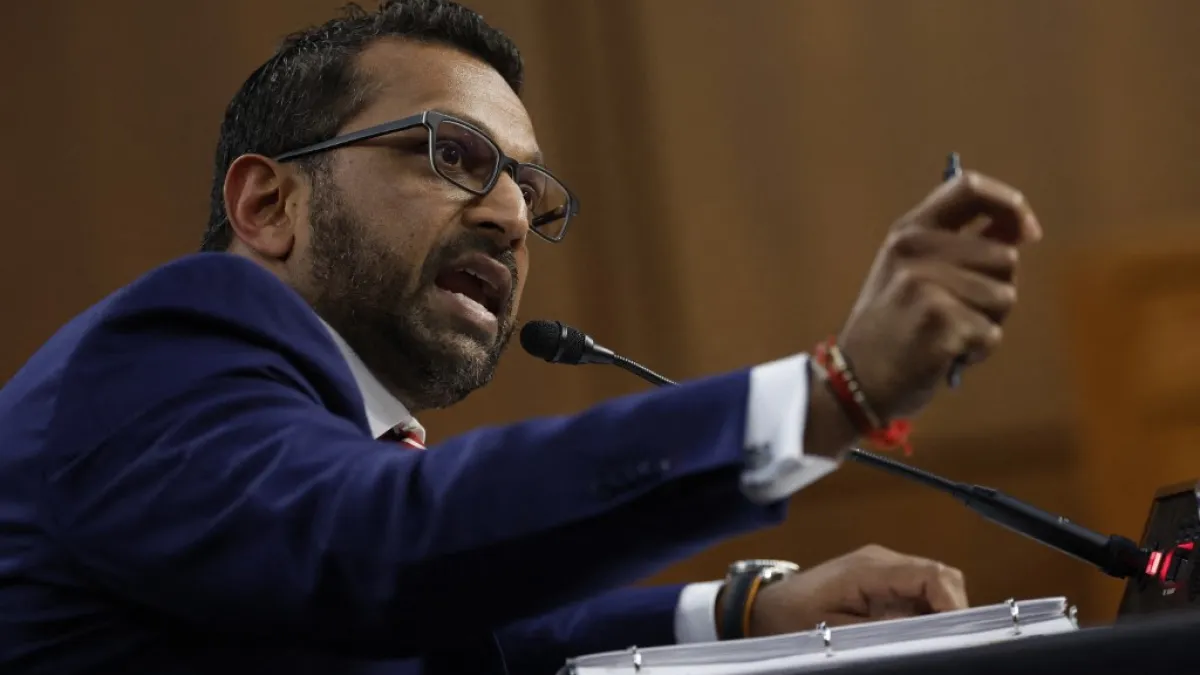
FBI Director Kash Patel ended the bureau's partnership with the Anti-Defamation League amid controversy over the group's content and political backlash, emphasizing a shift away from political fronts. The move follows recent criticisms and the ADL's response to alleged misrepresentations, with broader implications for law enforcement collaborations on extremism and hate crimes.
The FBI has severed ties with the Anti-Defamation League, accusing it of spying on conservatives and criticizing its associations with former FBI Director James Comey, amid controversy over the ADL's characterization of Charlie Kirk and other right-wing figures. The ADL responded by emphasizing its commitment to protecting the Jewish community and denying the allegations.
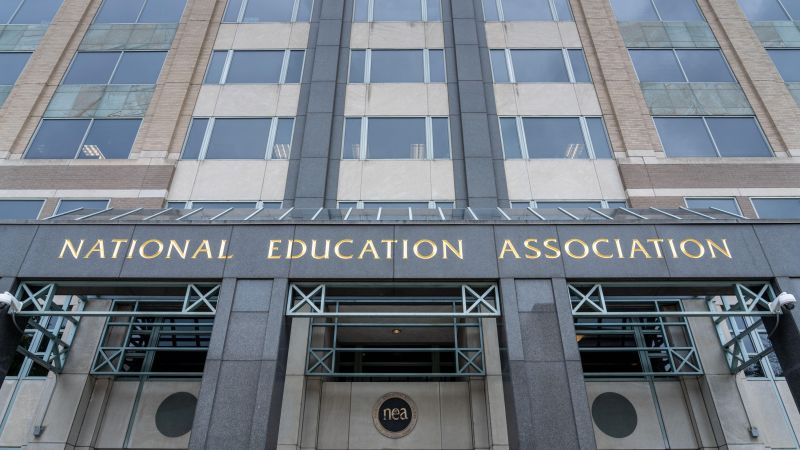
The National Education Association, the largest teachers' union in the U.S., has endorsed a proposal to sever ties with the Anti-Defamation League, a civil rights organization focused on combating antisemitism, amid ongoing internal discussions. The proposal, which has not yet been officially adopted, reflects a contentious debate within the union, which emphasizes its commitment to fighting hate while the ADL criticizes the move as disturbing. The outcome will depend on further decisions by the NEA's Executive Committee and Board of Directors.
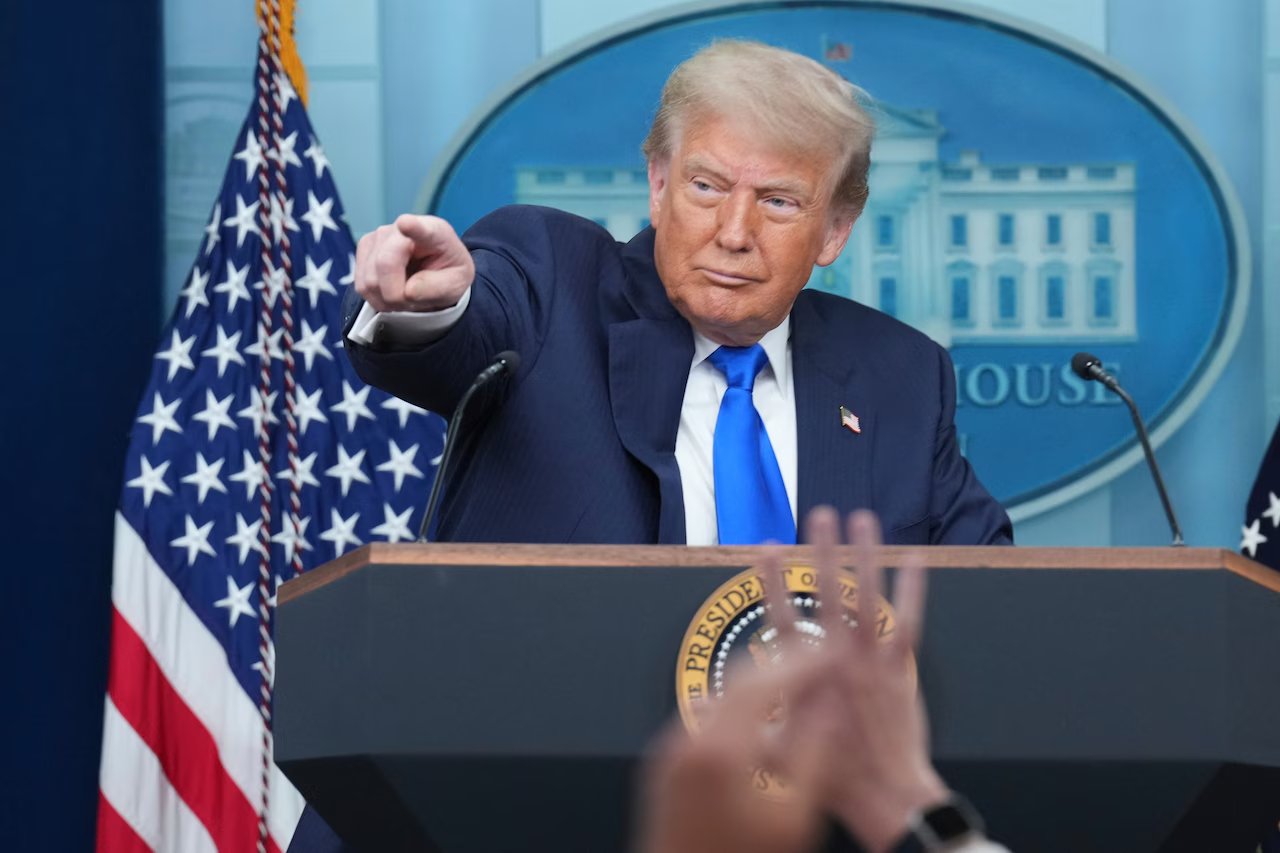
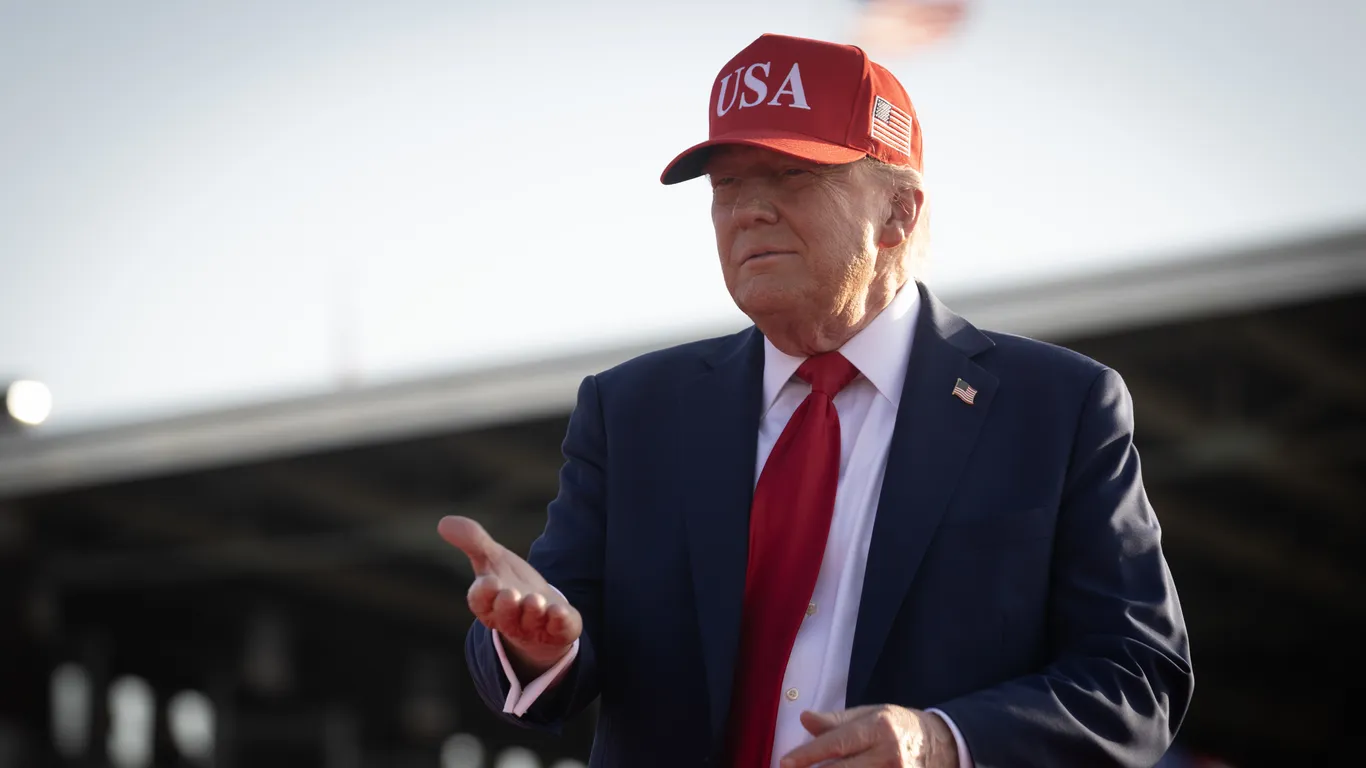
President Donald Trump claimed he was unaware that the term 'shylock' is considered antisemitic when he used it in a speech, despite its history as a stereotype about Jews; the Anti-Defamation League criticized his use of the term, highlighting ongoing issues with antisemitic language and stereotypes in the U.S.
President Trump used the term 'Shylock' during a rally, which is considered antisemitic by the Anti-Defamation League, and claimed he was unaware of its offensive connotations, prompting criticism and calls for more responsible language from leaders.
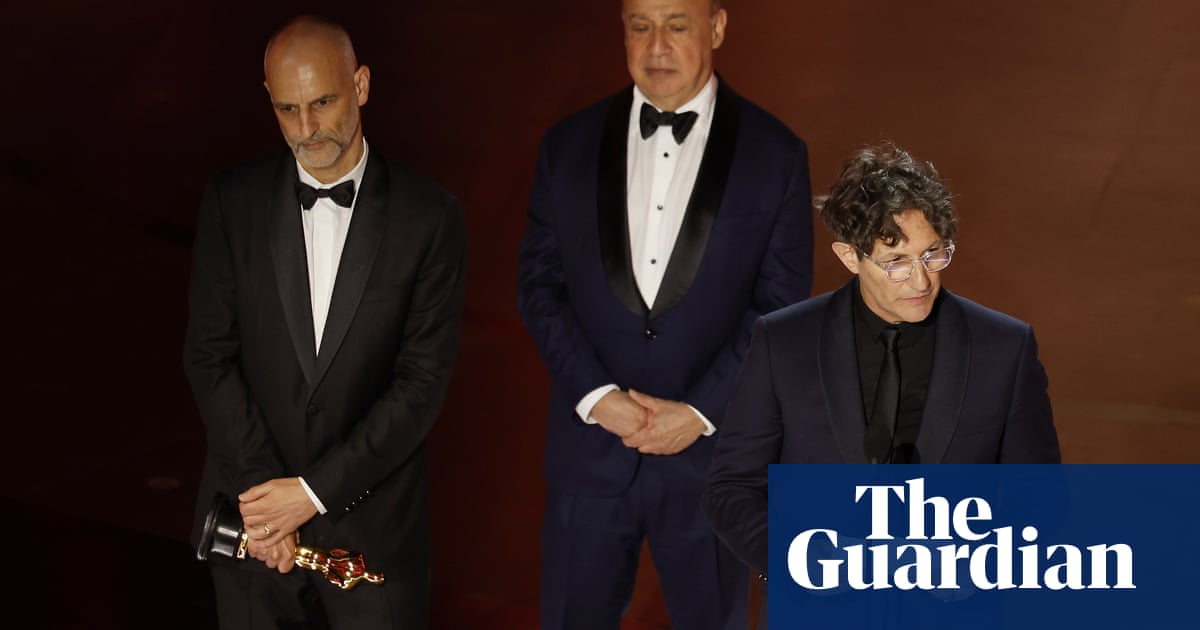
The Holocaust Survivors’ Foundation USA criticized director Jonathan Glazer for his Oscar acceptance speech, calling it "morally indefensible" and accusing him of presuming to speak for Holocaust victims while criticizing Israel. Glazer's comments were also condemned by the Anti-Defamation League, but received support from organizations like Breaking the Silence, who praised his stance against the use of Judaism and the Holocaust to justify the occupation.
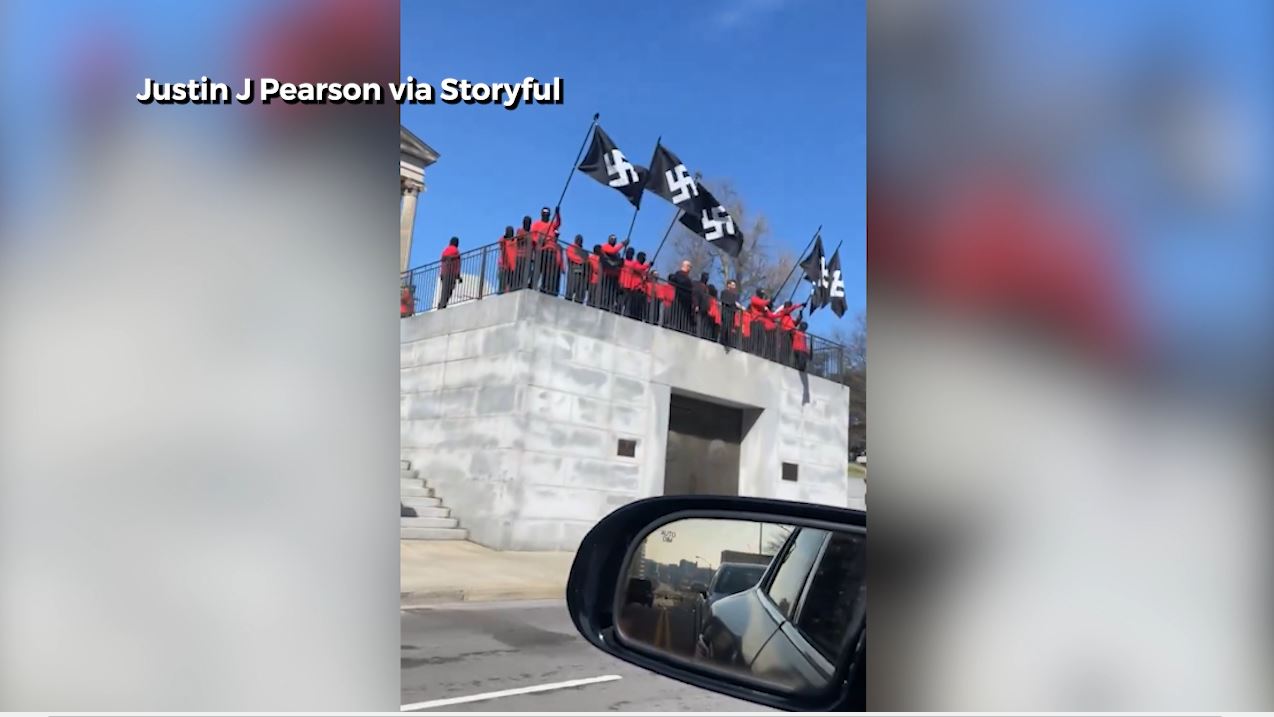
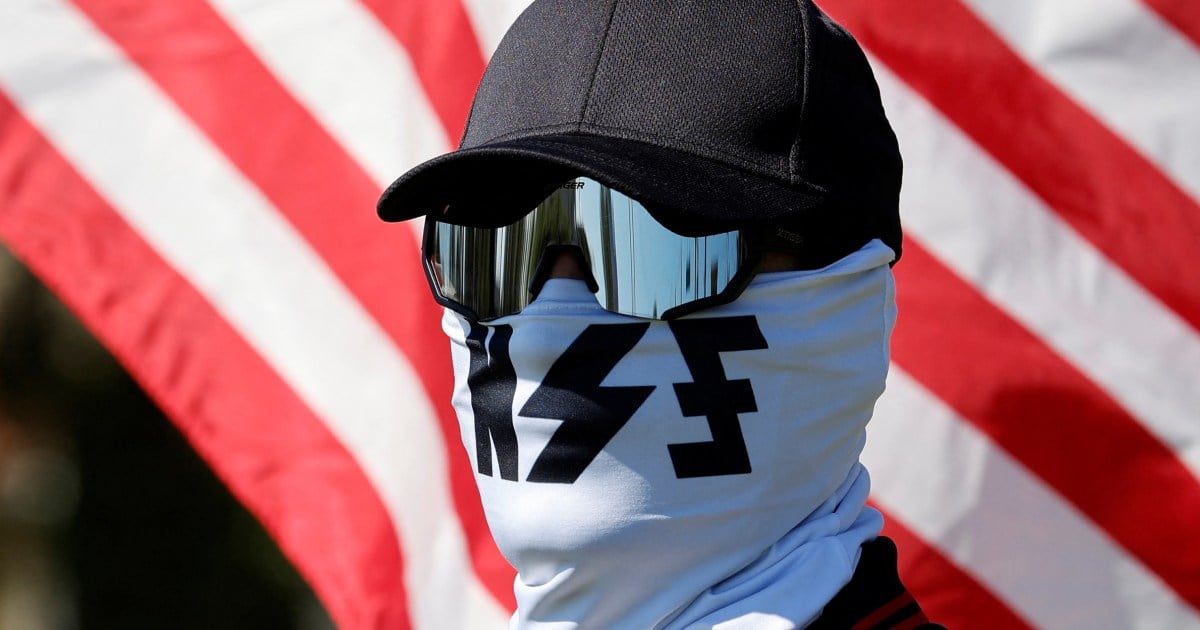
The Anti-Defamation League has identified the extremist Blood Tribe and Vinland Rebels as the groups behind a recent "Nazi" march in Nashville, with concerns about rising hate speech incidents in Tennessee. The Jewish community has experienced various forms of hate speech, including swastika graffiti and antisemitic flyers, leading to verbal and physical attacks on Jewish children. Local Jewish leaders attribute the rise of these extremist groups to social media, urging leaders to oppose such demonstrations and offering support through upcoming events.
The Anti-Defamation League reported a 360% increase in antisemitic incidents in the U.S. in the three months following the Oct. 7 Hamas attack on Israel, with a total of 3,283 incidents recorded. This surge puts 2023 on track to be the highest year for antisemitic acts against Jewish people since the late 1970s. The incidents included physical assault, vandalism, verbal harassment, and rallies with antisemitic rhetoric. The conflict between Israel and Hamas has also led to a rise in Islamophobia, with a leading Muslim advocacy group reporting a 172% increase in reports of bias and prejudice.
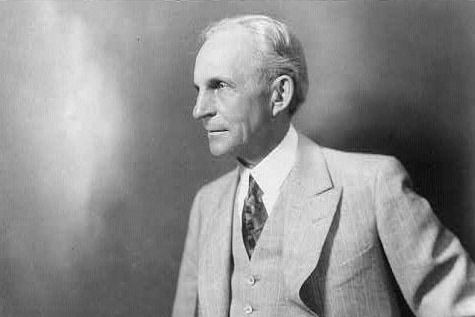
Henry Ford, the auto tycoon, used his newspaper, the Dearborn Independent, to spread antisemitic conspiracy theories nearly a century ago. In a similar vein, Elon Musk, often compared to Ford, faced controversy over antisemitism and free speech on his platform X (formerly Twitter). Musk accused the Anti-Defamation League (ADL) of trying to kill his platform and expressed support for the hashtag #BanTheADL. While Ford promoted and believed in antisemitic theories, Musk's criticism is seen as a defense of his platform rather than animosity towards Jewish people. The Ford trial in the 1920s served as a prelude to ongoing debates within Jewish organizations about responding to hate speech, a problem that has now shifted online.
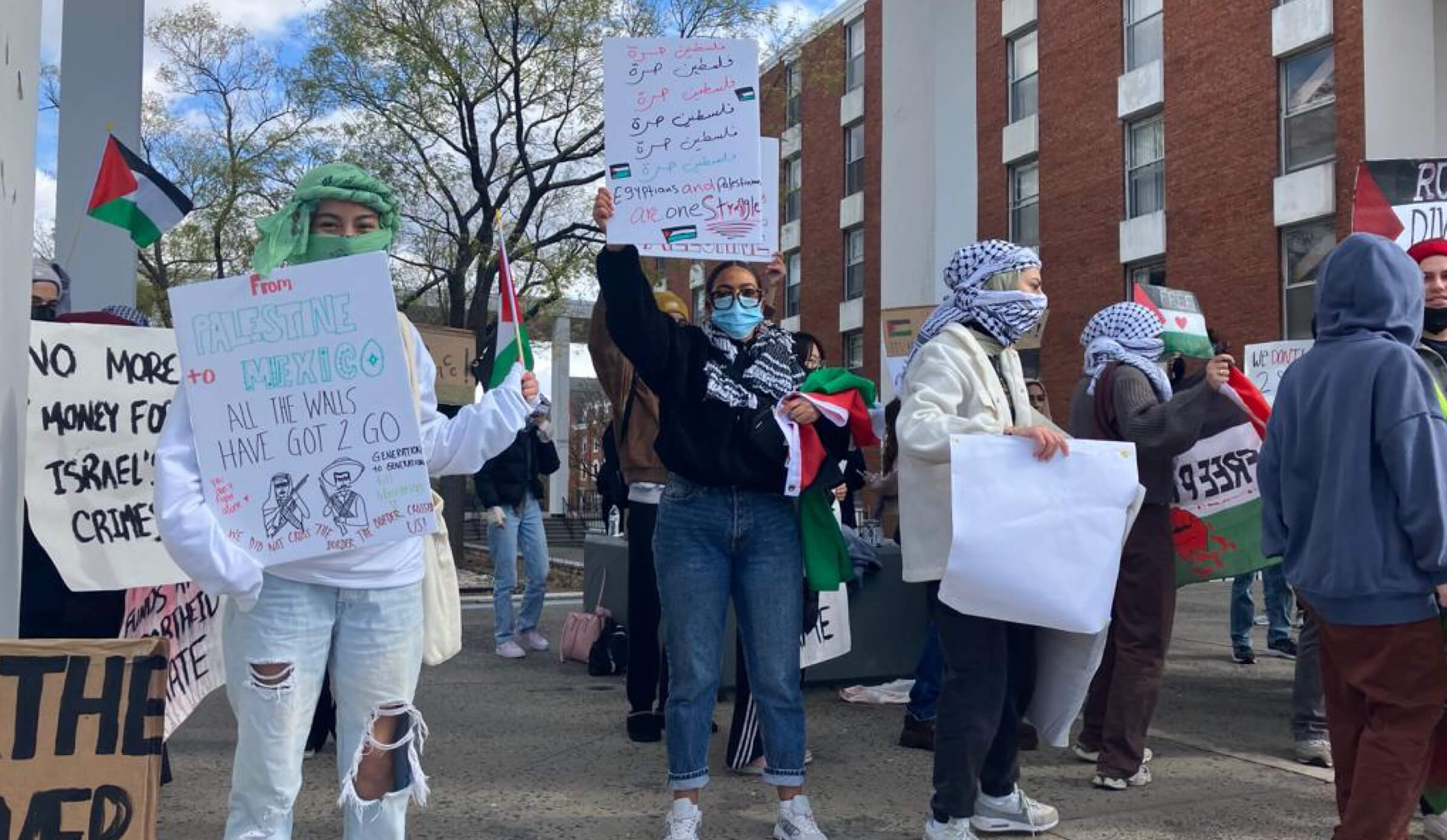
The ACLU has criticized the Anti-Defamation League (ADL) for accusing pro-Palestine student groups, specifically Students for Justice in Palestine (SJP), of supporting Hamas without evidence. The ADL had sent an open letter to college and university presidents asking them to investigate SJP for possible material support of Hamas. The ACLU defended SJP's activism as constitutionally protected by the First Amendment and urged university leaders to reject calls for investigation or penalization based on free speech rights. The ADL argued that SJP's statements and actions closely align with Hamas and warrant investigation, while the ACLU warned against stifling free speech and academic freedom. Florida's state university system has already shut down SJP chapters, accusing them of affirmatively identifying with Hamas. The ACLU cited the McCarthy era as a cautionary example of the dangers of policing speech and associations.
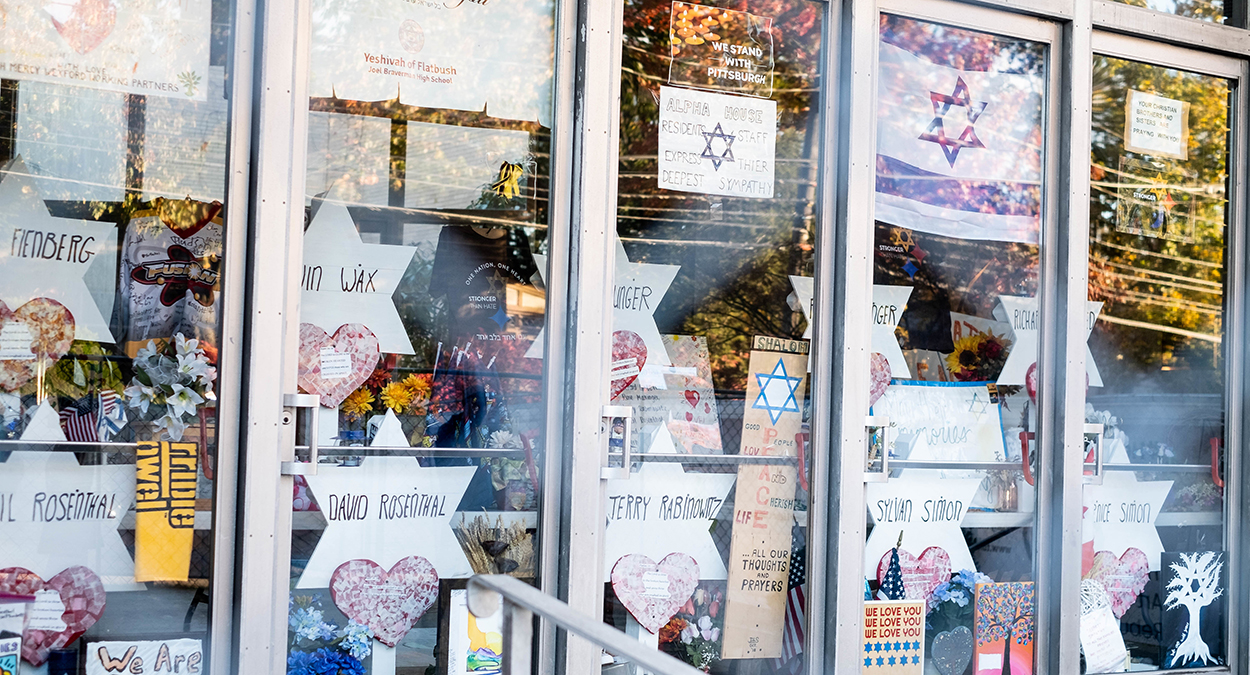
Anti-Israel vandals spray-painted "Free Palestine" and "GAZA" on the wall of a high school in the predominantly Jewish neighborhood of Squirrel Hill in Pittsburgh, near the Tree of Life synagogue, one day before the fifth anniversary of the deadly shooting that claimed the lives of 11 congregants. While Senator Ted Cruz and the Anti-Defamation League condemned the vandalism, the Southern Poverty Law Center, which claims to combat hate groups and anti-Semitism, has remained silent. The vandalism comes amid a rise in anti-Semitic incidents in the US following the recent conflict between Israel and Hamas.
The Anti-Defamation League (ADL) has reported a significant increase in antisemitic incidents in the United States since the start of the Israel-Hamas war. From October 7 to October 23, there were 312 incidents, compared to 64 in the same period last year. The spike included a 388% increase in harassment, vandalism, and assault. The ADL also noted a surge in antisemitic hate speech among extremist groups, with a 1,000% increase in violent messages mentioning Jews and Israel on the messaging platform Telegram. Similar increases in antisemitic incidents have been observed in Europe.
Adidas will sell some of its Yeezy shoes at the end of May and donate a "significant amount" of the proceeds to organisations fighting antisemitism and racism, including the Anti-Defamation League and the Philonise & Keeta Floyd Institute for Social Change. Adidas cut ties with rapper Kanye West, who designed the shoes, in October after he made antisemitic comments. The value of Yeezy shoes in the resale market has rocketed since then. Ye will be entitled to 15% of turnover from each shoe sale.