Google Unveils Android Edition of AI Studio for AI‑Driven App Building
Google is launching an Android version of its AI Studio vibe coding tool, enabling AI-prompt-based app creation, with pre-registration on Google Play.
All articles tagged with #app development

Google is launching an Android version of its AI Studio vibe coding tool, enabling AI-prompt-based app creation, with pre-registration on Google Play.

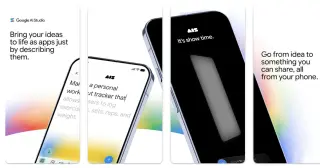
During Google I/O 2026, Google unveiled AI Studio, a prompt-driven tool to build native Android apps with an embedded emulator and optional real-device testing, targeting personal-utility, hardware-enabled, and Gemini-powered experiences; apps created with AI Studio must still pass Google Play’s quality standards, and Google also released a 1.0 Android CLI and plans for Gemini-backed app recommendations and a Play Shorts feed for apps.

Google confirms the Googlebook will run truly native Android apps rather than emulated ones, delivering desktop-class performance and a smoother app ecosystem. Traditional productivity tools are on board for a premium hardware experience, while AI-native partners are set to deliver launch-exclusive features as the device hits shelves later this year.

AI-enabled vibe coding lowers the bar to building apps, driving a surge of new releases (about 414,000 iOS/Android apps in Q1 2026, up 115% year over year) and faster iteration. Yet true profitability remains scarce: only a tiny fraction reach high traction, meaning market saturation, distribution, and effective marketing still decide who turns ideas into sustainable businesses. The trend is democratizing creation but not erasing the brutal realities of execution and competition for Silicon Valley veterans and first-time founders alike.

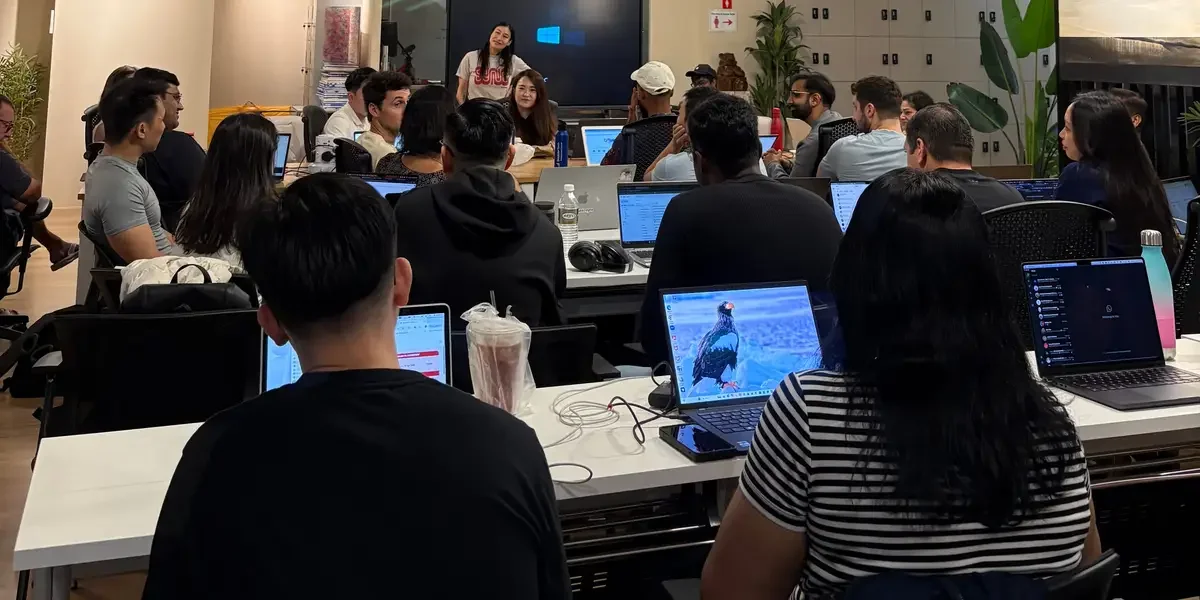
A Business Insider reporter attends a two-morning vibe-coding workshop in Singapore to learn how AI can let non-technical people prototype apps quickly; the five lessons are: build multiple apps rather than fixating on one, design around real users, learn by making and debugging, start with a strong planning prompt before coding, and mix and match tools and models for speed; the personal trainer app was created in about an hour, demonstrating how structure, guardrails, and prompt-driven workflows help beginners ship quickly.

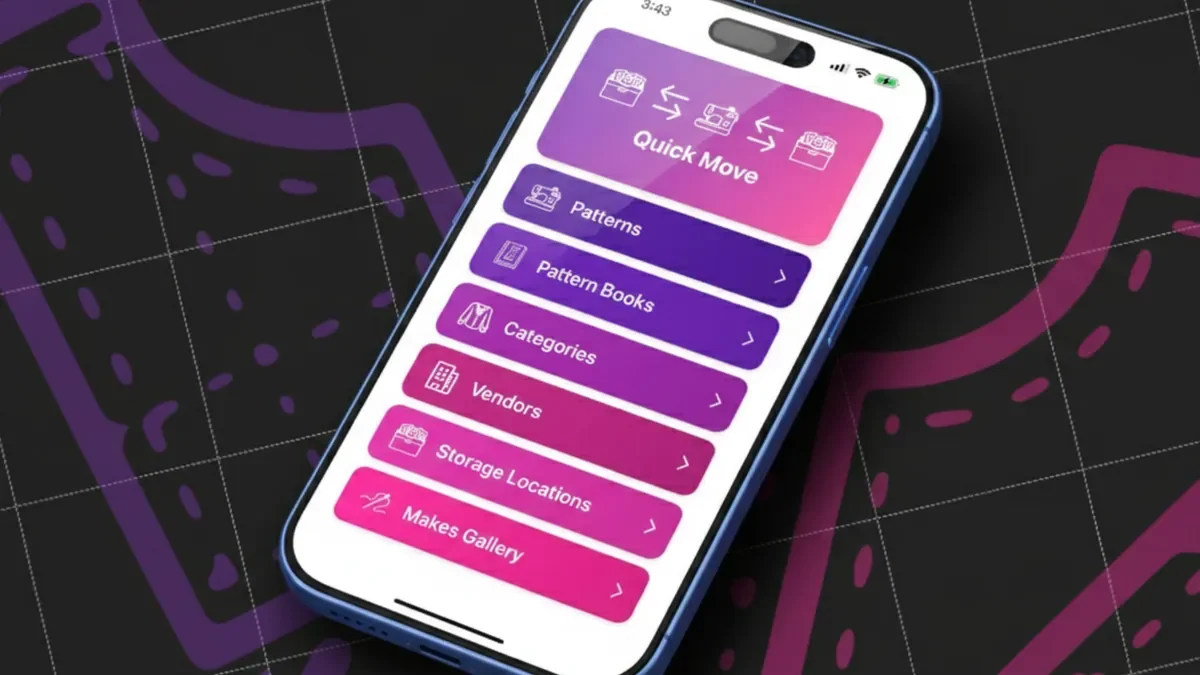
An independent developer uses Xcode 26.3 and Claude Agent to migrate a sewing-pattern project and rapidly add ML, OCR, and NFC features, producing a cross‑device iPhone/Mac/Watch app in under two days. After solving stability issues from background agents by enforcing strict update rules, the codebase grew to 32,381 lines across 116 files (52,947 added, 10,626 deleted). The experience showcases a huge productivity boost from AI-assisted coding, tempered by the fragility of agentic workflows and ongoing UI/UX considerations, with a possible App Store launch on the horizon.

Anthropic's Claude Opus 4.5 (with Claude Pro at $20/mo) can write code, build apps, and produce downloadable files from conversational prompts, even via its macOS‑only Cowork agent; in a hands‑on test, Jim VandeHei used it to create a 30‑question AI aptitude quiz, five‑minute training sessions, and four fully functional apps in eight hours on his phone, illustrating how AI can perform complex tasks rapidly. With OpenAI, Google, and others racing to beat Claude, the piece argues that 2026 may mark AI’s shift from novelty to widespread, practical use and urges readers to embrace these tools to stay competitive in the evolving job market.

After losing his job, Christian Jones from Devon developed a free dog walking app to help dog owners find and record walks, relying on community contributions; it has gained over 250 users and offers social benefits, though some are cautious about technology's role.

Zillow quickly developed a ChatGPT-integrated real estate app in less than six weeks, collaborating with OpenAI using their app development tools to enhance home buying and selling experiences with AI-driven features, emphasizing control over data and user interface, and aiming to lead AI disruption in real estate.

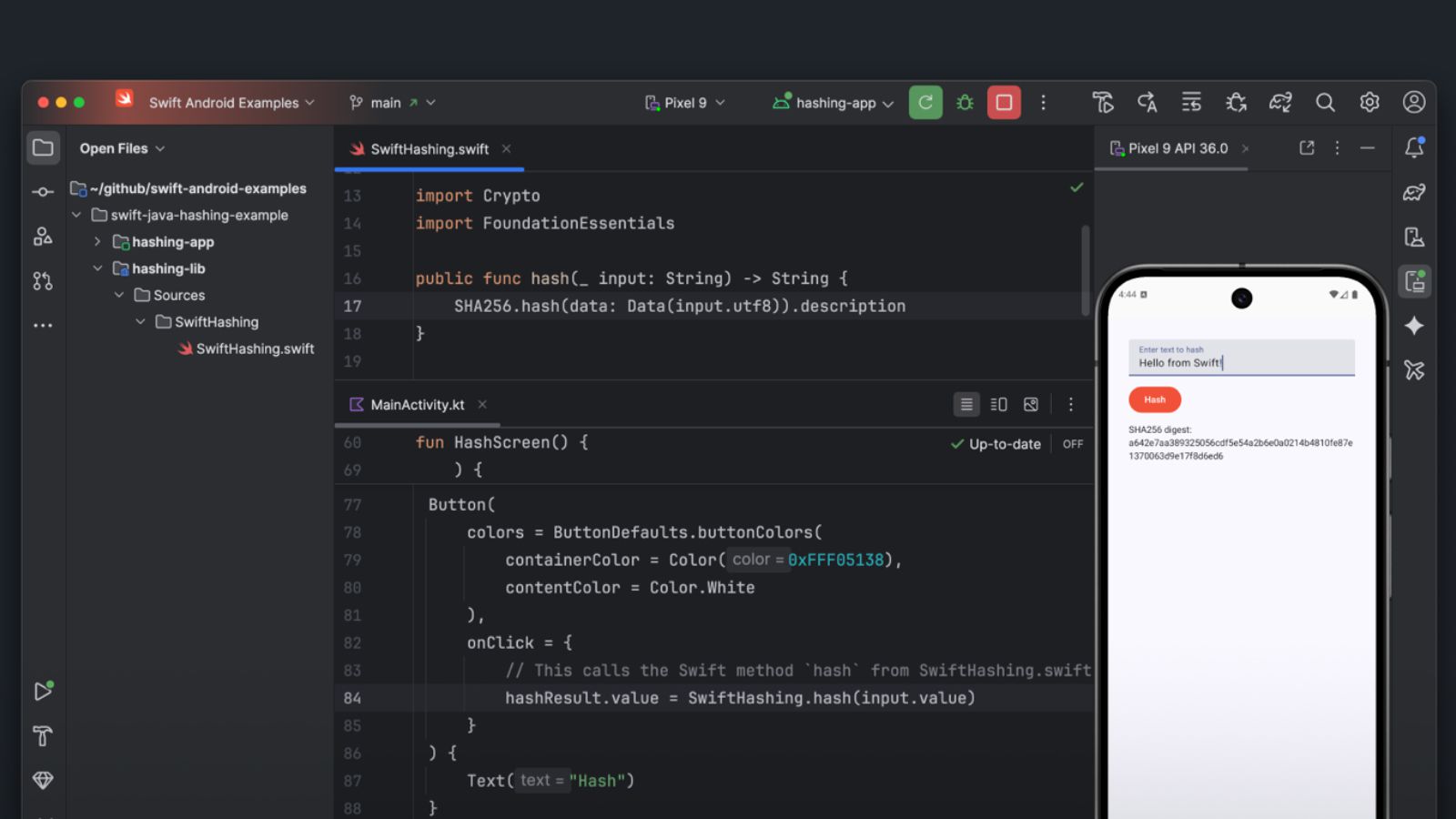
Developers can now create Android applications using Apple's Swift programming language, expanding Swift's versatility beyond iOS development.

Apple announced that starting January 1, 2026, new Texas law SB2420 will require apps to implement age verification and parental consent mechanisms, impacting user privacy and app behavior, with similar laws expected in Utah and Louisiana later in 2026.

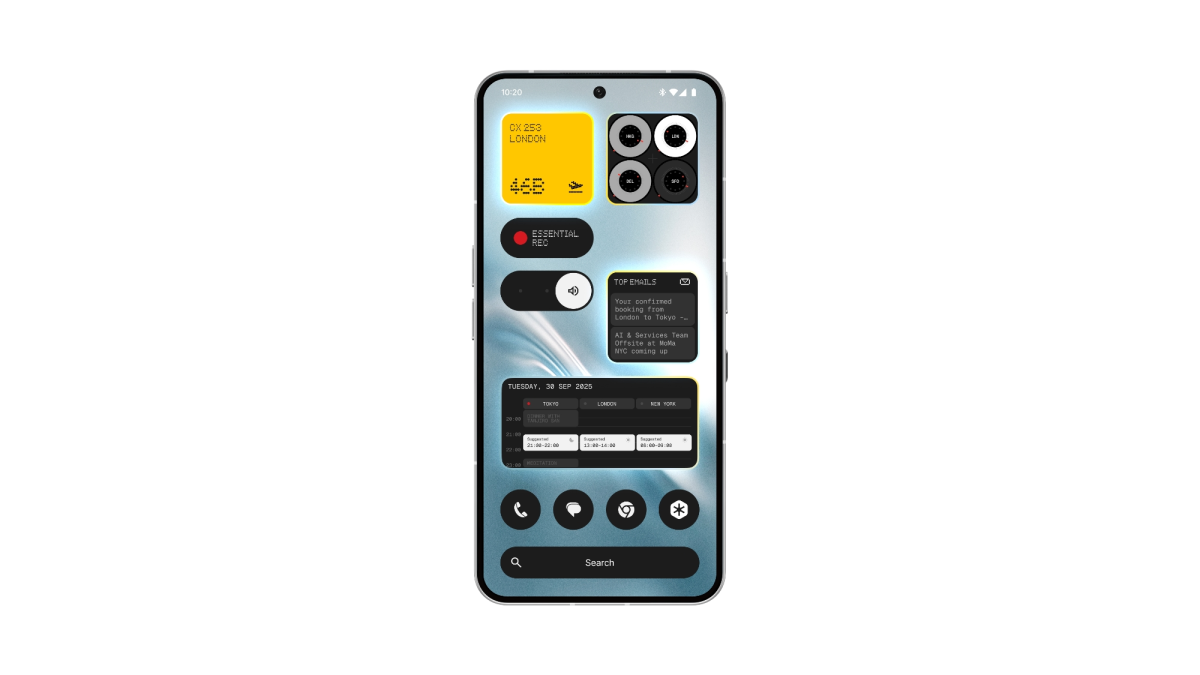
Nothing has launched Playground, an AI-powered tool that allows users to create and customize mini apps and widgets using simple text prompts, aiming to enhance software personalization on smartphones. Currently, it supports building basic widgets like flight trackers and virtual pets, with plans to expand but not yet enabling full-screen app development. The company emphasizes security and community engagement as key to its AI app ecosystem, despite being a small player in the global smartphone market.

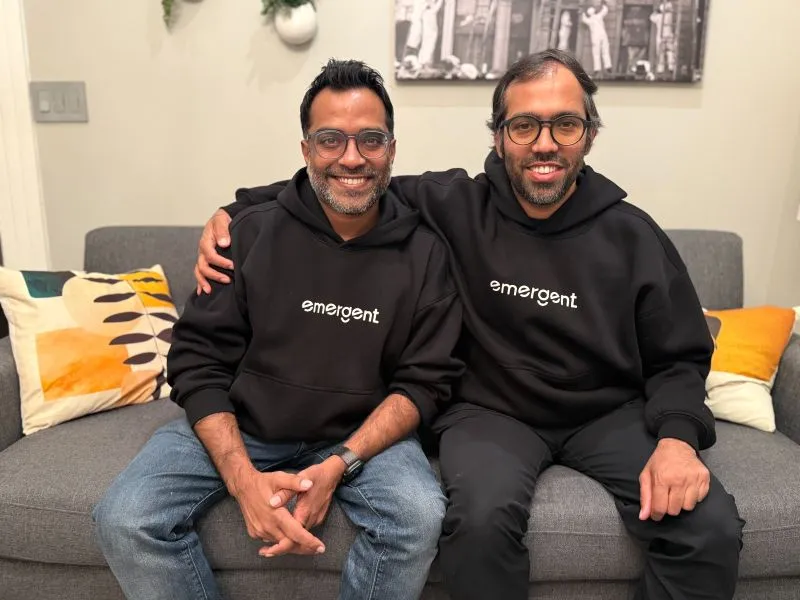
Emergent, a startup that enables non-technical users to create apps using AI prompts, has raised $23 million in Series A funding led by Lightspeed. The platform simplifies app creation, management, and deployment, aiming to democratize app development and compete with other vibe coding solutions. Since its launch, over 1.5 million apps have been built, and the company plans to expand its features, including native mobile app building and improved discovery and monetization options.

Blender is developing a full-fledged mobile version, initially targeting iPad Pro and Apple Pencil, with features like icon support and shortcuts, and plans for a demo at SIGGRAPH 2025. The project invites experienced developers to contribute, aiming for cross-platform support and enhanced touch functionalities.

Google has introduced Opal, a new AI-powered tool for vibe coding that allows users to create, edit, and share apps using natural language commands, making app development more accessible and efficient, with free trials available through Google Labs.