Tag

Artificial Neurons

All articles tagged with #artificial neurons

Researchers Print Artificial Neurons Capable of Interacting With Live Brain Cells
science27 days ago

Researchers Print Artificial Neurons Capable of Interacting With Live Brain Cells

A Northwestern team used aerosol jet printing to fabricate artificial neurons from molybdenum disulfide and graphene, with a partially decomposed polymer substrate that forms conductive filaments; these artificial neurons can generate neuron-like spikes and, when interfaced with a mouse cerebellum, trigger activity, signaling progress toward energy-efficient brain-like computing, though linking neurons into networks and creating synapses remains to be done.

"Intel Unveils Hala Point: World's Largest Neuromorphic Computer with 1.15 Billion Neurons"
technology2 years ago

"Intel Unveils Hala Point: World's Largest Neuromorphic Computer with 1.15 Billion Neurons"

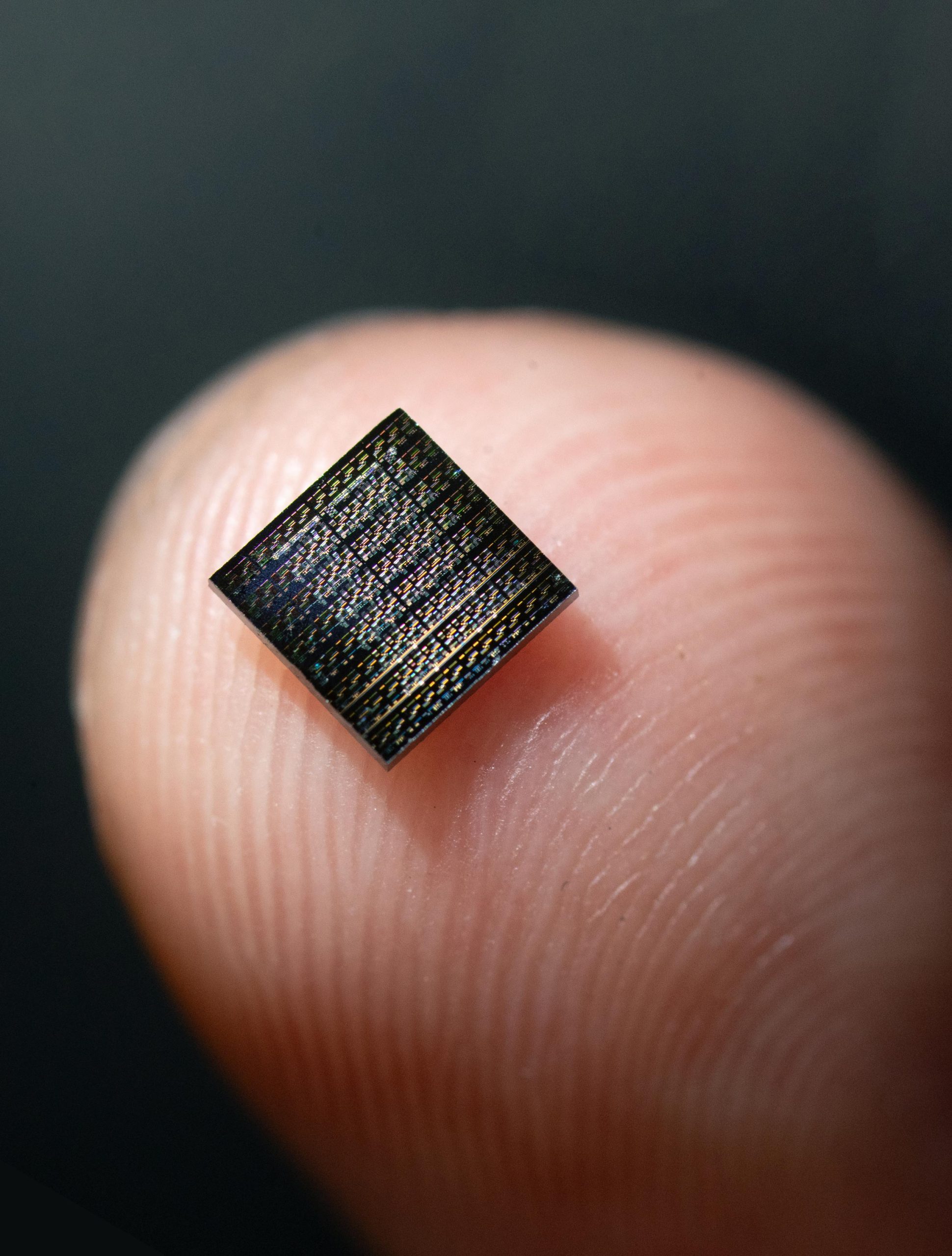
Intel has unveiled Hala Point, the world's largest neuromorphic computer, featuring 1,152 Loihi 2 chips that enable a total of 1.15 billion artificial neurons and 128 billion synapses. The system, developed in partnership with Sandia National Laboratories, aims to advance brain-scale computing research and solve complex problems in various fields. Intel's focus on neuromorphic computing has led to significant energy efficiency and speed gains, with potential applications in areas such as drug development and high-performance computing. While commercialization is a couple of years away, Intel is committed to providing substantial value and differentiation from existing technologies when it does happen.

Next-gen AI computing: Artificial neurons replicate complex brain abilities.
artificial-intelligence3 years ago

Next-gen AI computing: Artificial neurons replicate complex brain abilities.

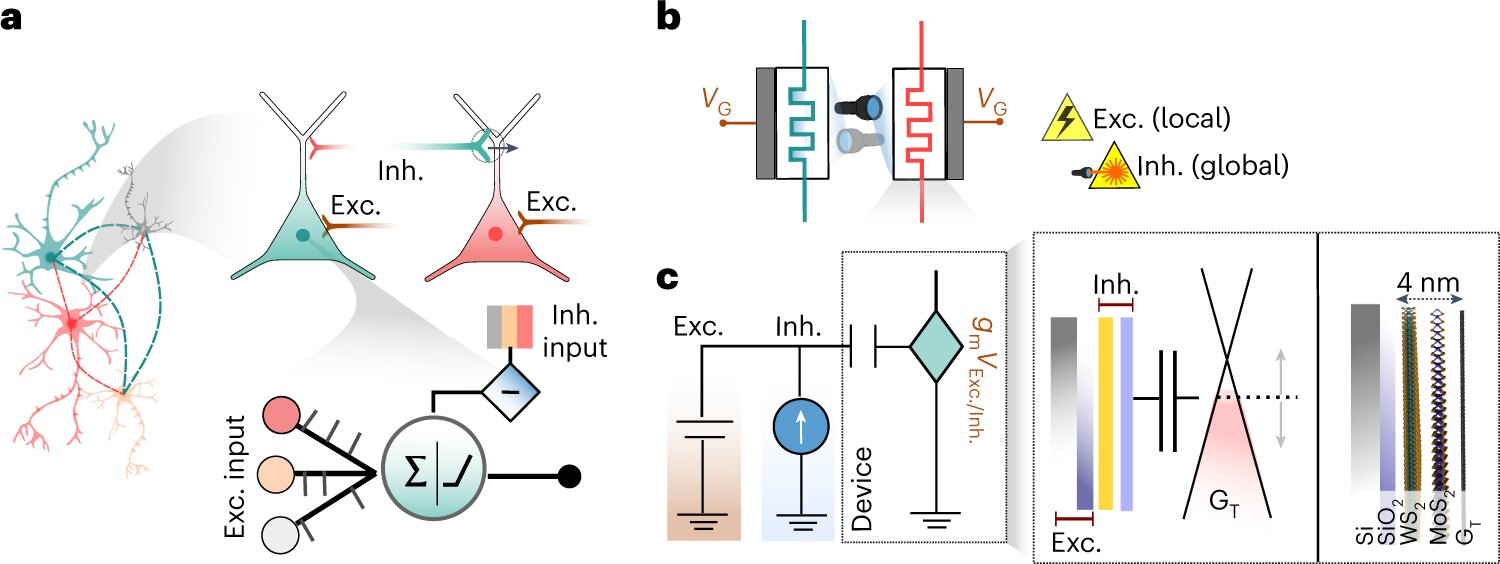
Researchers have developed atomically thin artificial neurons capable of processing both light and electric signals for computing. The material enables the simultaneous existence of separate feedforward and feedback paths within a neural network, boosting the ability to solve complex problems. The team used a stack of three 2D materials to create a device that shows a change in its conductance depending on the power and duration of light/electricity that is shone on it. These devices are analog and operate similarly to the synapses and neurons in our biological brain, allowing for computations that produce gradual changes in the amount of stored electronic charge.