Tag

Atomic Clock

All articles tagged with #atomic clock

Thorium-229 Nuclear Clocks Demonstrate Standalone Timekeeping and New Physics Probes
science26 days ago

Thorium-229 Nuclear Clocks Demonstrate Standalone Timekeeping and New Physics Probes

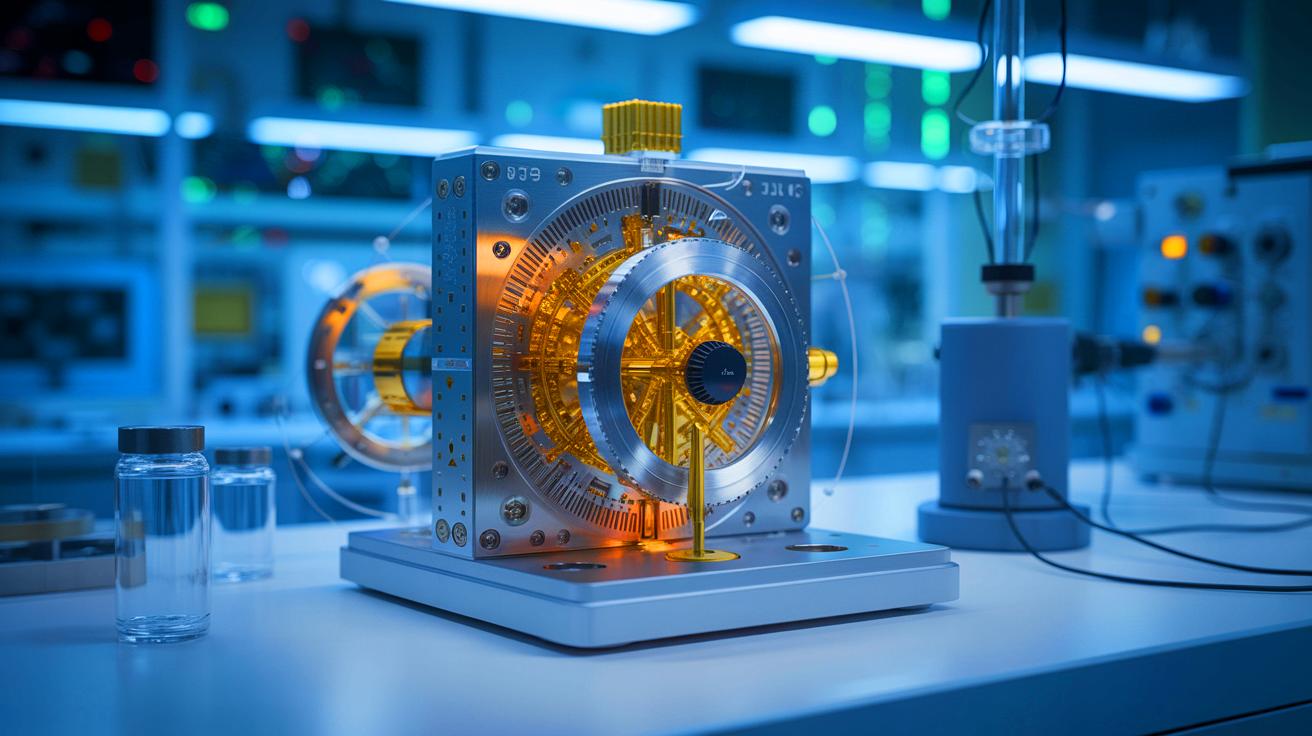
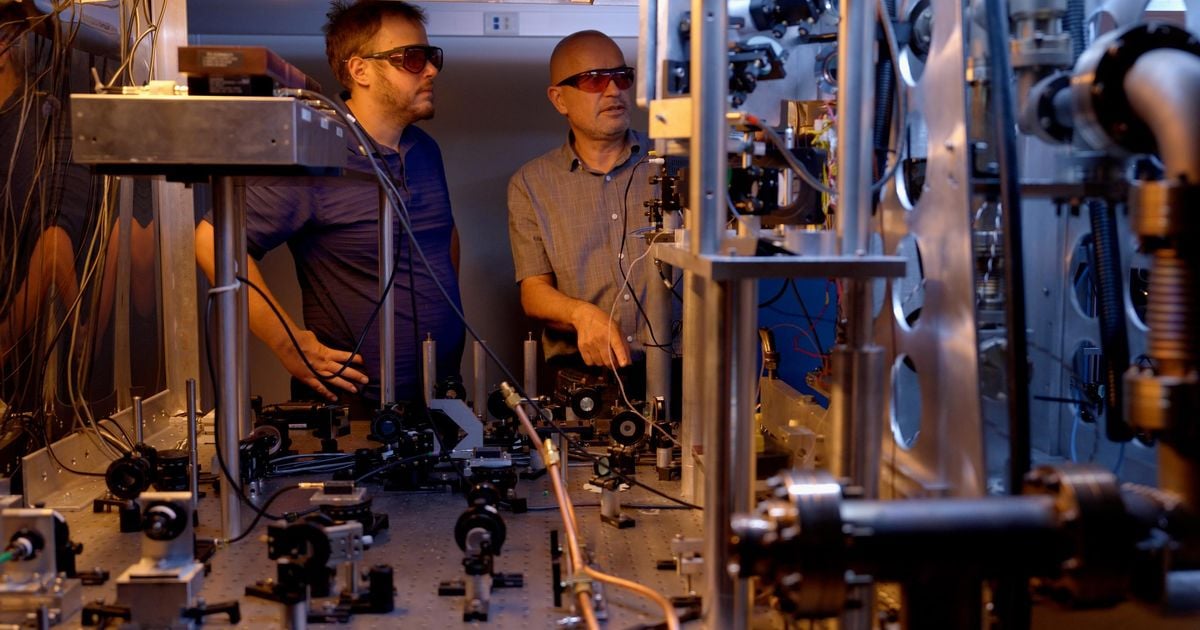
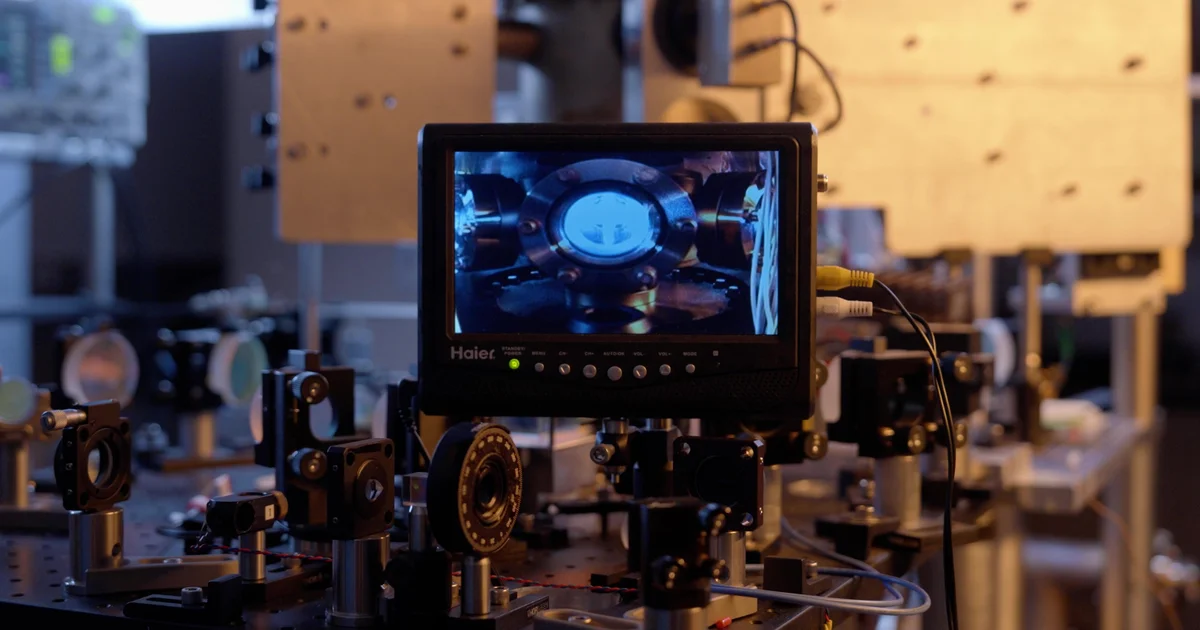
Two independent teams in Europe and China built functional nuclear clocks using thorium-229 nuclei in calcium fluoride crystals, achieving stand-alone operation and highly reproducible ticking. While not yet beating the best electronic atomic clocks, these devices could offer greater environmental stability and enable new tests of fundamental physics, including dark matter interactions and possible variations in fundamental constants.
The Changing Definition of Time: Earth's Leap Minute and the Future of Seconds
science-and-technology2 years ago

The Changing Definition of Time: Earth's Leap Minute and the Future of Seconds

A leading time scientist, Judah Levine, suggests introducing a leap minute to align the Earth's two official clocks, the Universal Time clock and the atomic clock, which currently require leap seconds to stay synchronized. Levine believes that allowing a slight deviation between the clocks could enable the addition of a leap minute every 50 years, providing a more manageable solution. However, industries relying on precise time, such as flight control and stock trading, may face challenges. Some tech companies have already developed their own methods to manage time variations, while a planned 100-year pause on the leap second in 2035 requires global agreement.

Miniature Atomic Beam Clocks Revolutionize Timekeeping Technology
science-and-technology3 years ago

Miniature Atomic Beam Clocks Revolutionize Timekeeping Technology

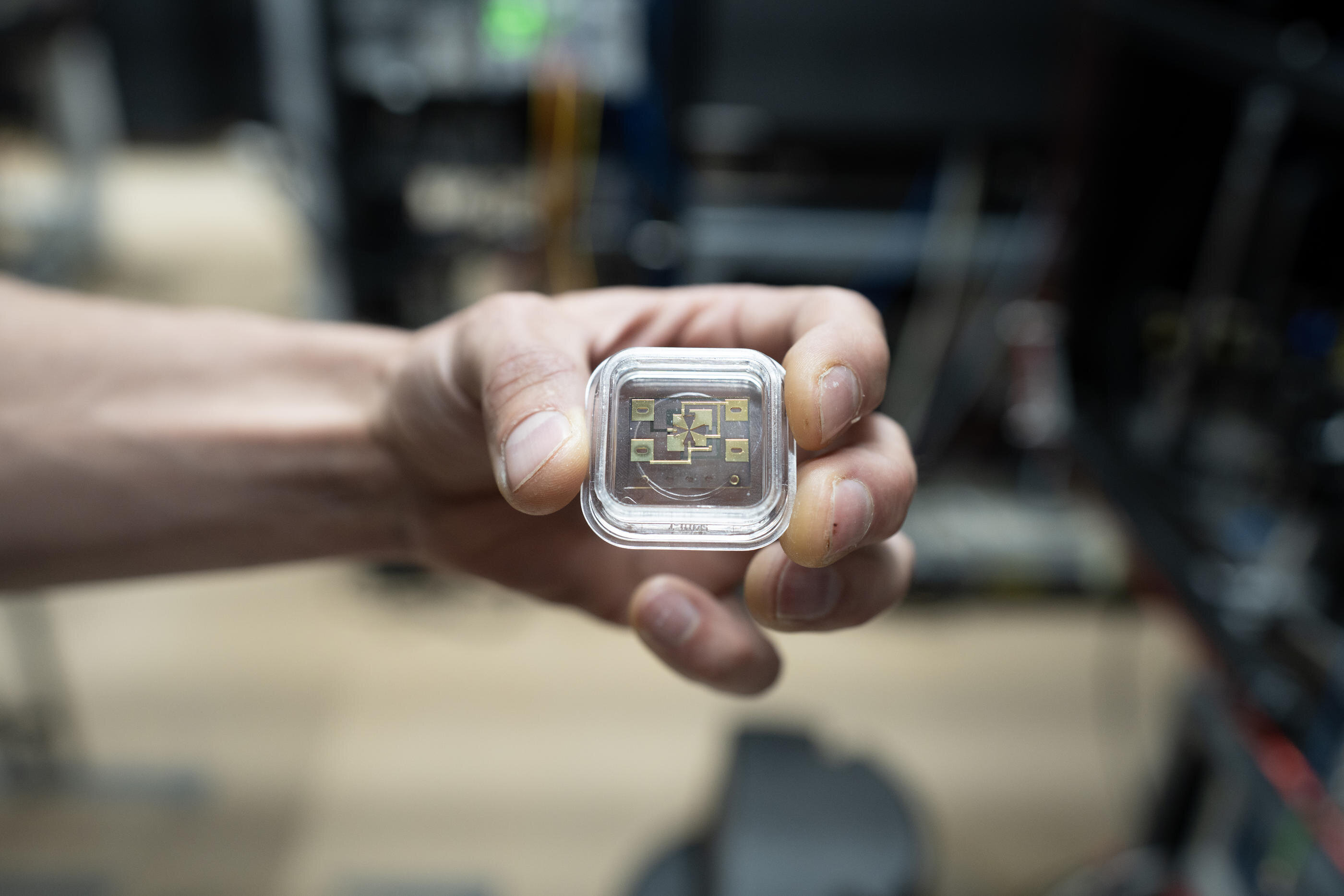
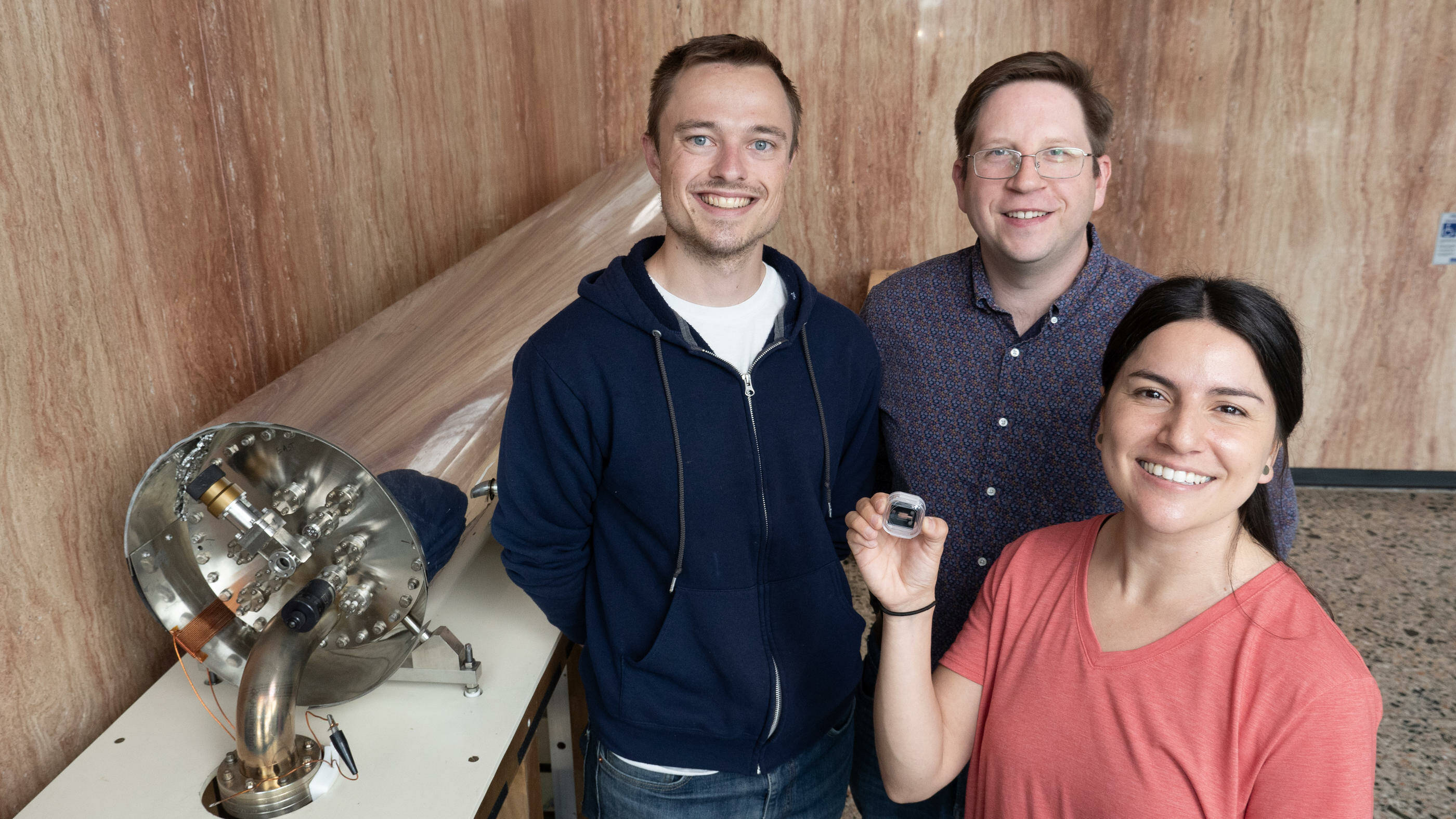
Scientists at the US National Institute of Standards and Technology (NIST) have developed a chip-scale beam clock (CSBC) that is small enough to fit in a pocket. The CSBC combines the technologies of chip-scale atomic clocks (CSACs) and atomic beam clocks to measure time via atoms. While the CSBC is not as accurate as its predecessors, it opens up possibilities for applications such as quantum sensing and the construction of higher-performance compact clocks. Further testing and improvements are needed to enhance stability and accuracy.