iOS 27 introduces significant upgrades to Apple CarPlay, including a revamped Siri AI, native video app support, and new design elements. Users can also optimize their experience through layout customization, audio tweaks, and connectivity adjustments.
The article explains that while CarPlay delivers solid audio, you can maximize quality by using a wired connection to reduce compression and latency, adjusting the car’s EQ, and enabling lossless streaming in your music apps (Apple Music Hi-Res Lossless, Tidal Max, Spotify high-quality settings). It notes that YouTube Music isn’t ideal for audio quality, but setting it to Always High helps; be mindful of data usage when streaming lossless. Road noise means you may not notice all details in every car, but the improvements are most noticeable with a good system.
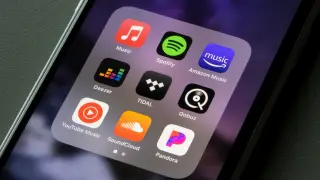
Four services deliver lossless hi‑fi audio up to 24‑bit/192 kHz (Amazon Music Unlimited, Apple Music, Qobuz, and Tidal), while Spotify and Deezer offer hi‑fi options capped at 24‑bit/44.1 kHz (Spotify can do 24‑bit; Deezer up to 16‑bit), and YouTube Music tops out at 256 kbps. Qobuz is the best value at under $11/month, with Apple Music and Tidal at about $12, Amazon Music Unlimited at $13, and YouTube Music Premium at $12; note that Amazon Prime Music does not include these HD tiers.
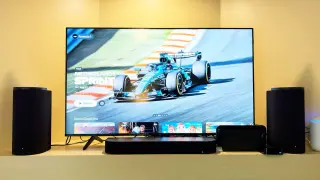
Sony’s Bravia Theater Trio pairs a center-channel soundbar with two tall side speakers to boost audio for very large TVs. It delivers clear dialogue and expansive ambience, backed by Sony’s room-calibration and upmixing tools, plus robust connectivity and 4K/120 support. But at $2,200 it’s pricey, and to truly immerse you’ll want a wireless subwoofer and rear speakers; setup can be finicky at first, making it a strong-but-pricey option that’s best paired with additional gear.
DJI's Mic Mini 2S adds internal 32-bit float recording and support for up to four mics, delivering a strong pro-grade backup, improved noise reduction, and longer recording time for a budget-friendly wireless mic, though it trails true broadcast gear in audio fidelity and its visible logo may bother professionals; availability varies by region.
Five downsides are highlighted: no native crossfade (gapless playback exists for Premium but no seamless crossfading), the highest audio bitrate tops out at 256 kbps (no lossless like some competitors), shuffle can repeat after around 50 songs on large playlists, there is no dedicated desktop app (browser workarounds exist), and the mobile app can be buggy at times—paired with comparisons to Spotify, Apple Music, and Deezer and practical fixes.
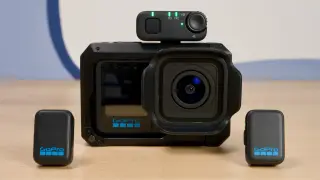
GoPro’s Wireless Mic System brings direct GoPro connectivity with two wireless mics and two receivers, a charging case offering about 20 hours of use, and generally solid audio quality that’s best with GoPro cameras. However, only one mic can record directly without a receiver, the USB dongle lacks mono mode, and there are some UI quirks that require workarounds or a firmware update. It’s compact, lightweight, and competitive in the crowded lightweight-vlogger mic space, though its premium price and a few friction points keep it from being flawless.
A tech article ranks the top Bluetooth speaker brands by sound quality, averaging reviews across multiple models rather than judging a single device. The list features Bang & Olufsen, Bowers & Wilkins, Audio Pro, JBL, Sonos, Sony, Ultimate Ears, Bose, Marshall, and Harman Kardon, highlighting each brand’s strengths (premium fidelity from B&O and B&W, powerful bass and versatility from JBL/UE, smart features from Sonos, dynamic range from Sony, rock-oriented dynamics from Marshall, and warm low-end from HK) while noting common caveats like high prices or occasional feature gaps. The methodology involved normalizing ratings from various outlets to produce a representative brand-wide ranking.
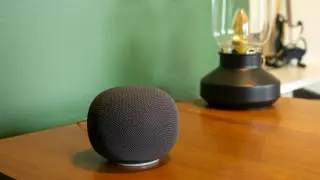
Google’s new Home Speaker, powered by Gemini, offers better audio and solid microphone performance in a compact package, but key features require a Gemini Live subscription, making it a decent entry point for small smart homes rather than a dramatic upgrade for existing Google setups.
The piece compares soundbars and full surround sound systems, noting that soundbars are a cheaper, simpler upgrade that improves TV dialogue and overall audio, while surround setups deliver a theater-like, immersive experience but cost more and may require installation. For casual viewing, a soundbar is often enough; for movie nights, sports, and immersive gaming, a full system can be worth the investment, with basic setups starting at hundreds of dollars and higher-end systems reaching thousands (reddit users often cite $2,000–$5,000).
Android 17 quietly adds LHDC v5 support to Pixel phones, enabling higher-bitrate wireless audio with LHDC-capable earbuds (e.g., Nothing and OnePlus). Users may need to enable LHDC v5 in Settings > System > Developer Options > Bluetooth Audio Codec and possibly turn on Hi‑Res Audio in the companion earbuds app. Google’s update broadens codec options beyond AAC/LDAC and, with Auracast support, improves wireless audio options for Pixel devices.
Consumer Reports named Apple's AirPods Max 2 the top over-ear noise-canceling headphones, beating Bose, Sony, and Sennheiser thanks to the new H2 chip, Adaptive EQ, and stronger ANC that deliver higher sound quality; the $549 model adds features like Live Translation and Siri, though weight, comfort, and battery life remain downsides.
A charming, nostalgia-driven Pokémon collectible featuring 45 tiny cartridges that play classic Game Boy tunes, but its low‑fidelity audio, lack of headphones, and mere novelty value mean it’s ultimately a decorative trinket rather than a satisfying music device.
Consumer Reports crowned Apple's AirPods Max 2 as the top-sounding wireless, noise-canceling headphones, giving it a perfect sound-quality score and tying for the best overall score thanks to the new H2 chip’s improvements in bass, vocal clarity, and soundstage, plus Adaptive Audio for ANC and a Loud Sound Reduction feature. The Max 2 also offers wired, lossless playback via USB‑C and enhanced call quality via Voice Isolation. Bose and Sony did not lead in audio quality this round, and reviewers view the Max 2 as a meaningful upgrade over the original AirPods Max.
A tech writer swaps his Bluetooth Sony WF-1000XM6 earbuds for Final Audio’s budget A2000 IEMs for three weeks. He finds wired delivers bigger soundstage, more detail, and reliable performance without battery worries, at the expense of convenience and portability. The setup includes modular cables and DACs to bridge wired audio with calls and mobile use; overall, for music lovers who value fidelity and value, a wired rig can outperform wireless and offer longer life.