
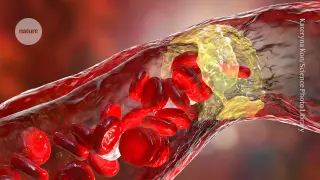
Gut Bacteria Identified as Natural Cholesterol Regulators in Heart Disease Research
A study published in Nature reveals that the common gut bacterium Bacteroides uniformis produces pentadecanoic acid, a molecule that reduces arterial plaque and cholesterol in mice by targeting the same enzyme as statin drugs. While human data shows a correlation between low levels of this molecule and heart disease, researchers emphasize that clinical applications remain distant. Concurrently, a separate Stanford study links Bifidobacterium abundance to recovery in chronic heart failure, suggesting broader microbiome roles in cardiac health.