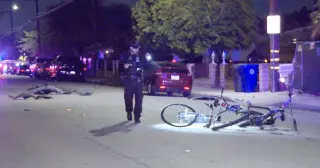
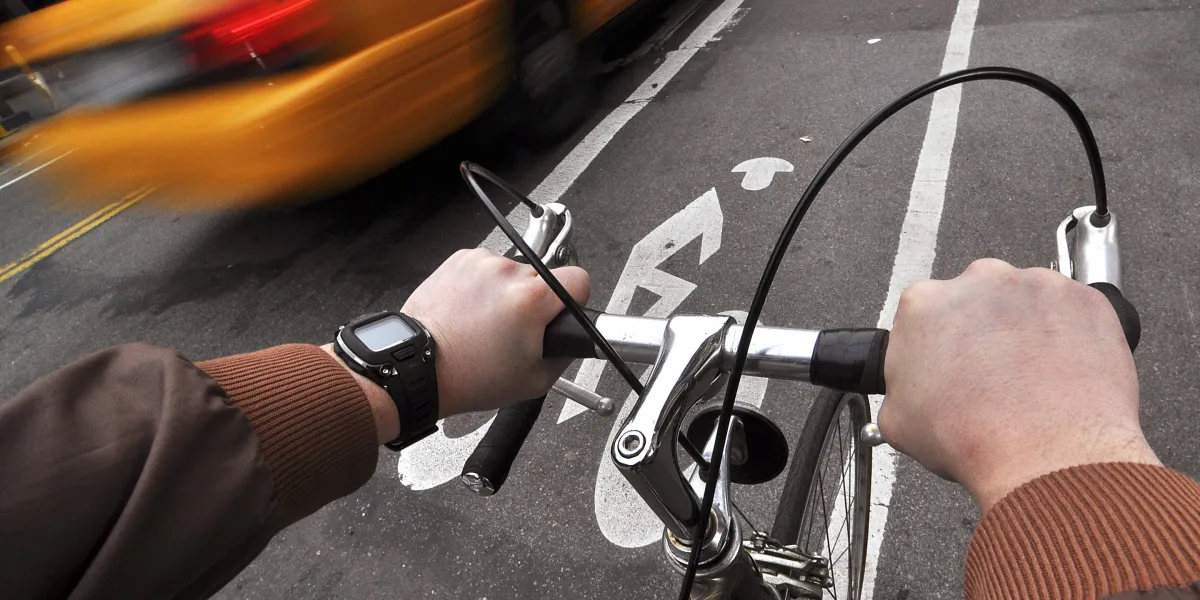
A suspected drunk driver struck a group of approximately 30 bicyclists in Montclair, California, killing two people and injuring others before fleeing the scene. Police arrested Valentin Alberto Rodriguez, 38, after neighbors helped track his vehicle. The incident occurred during a self-organized Halloween-themed ride on Saturday night.
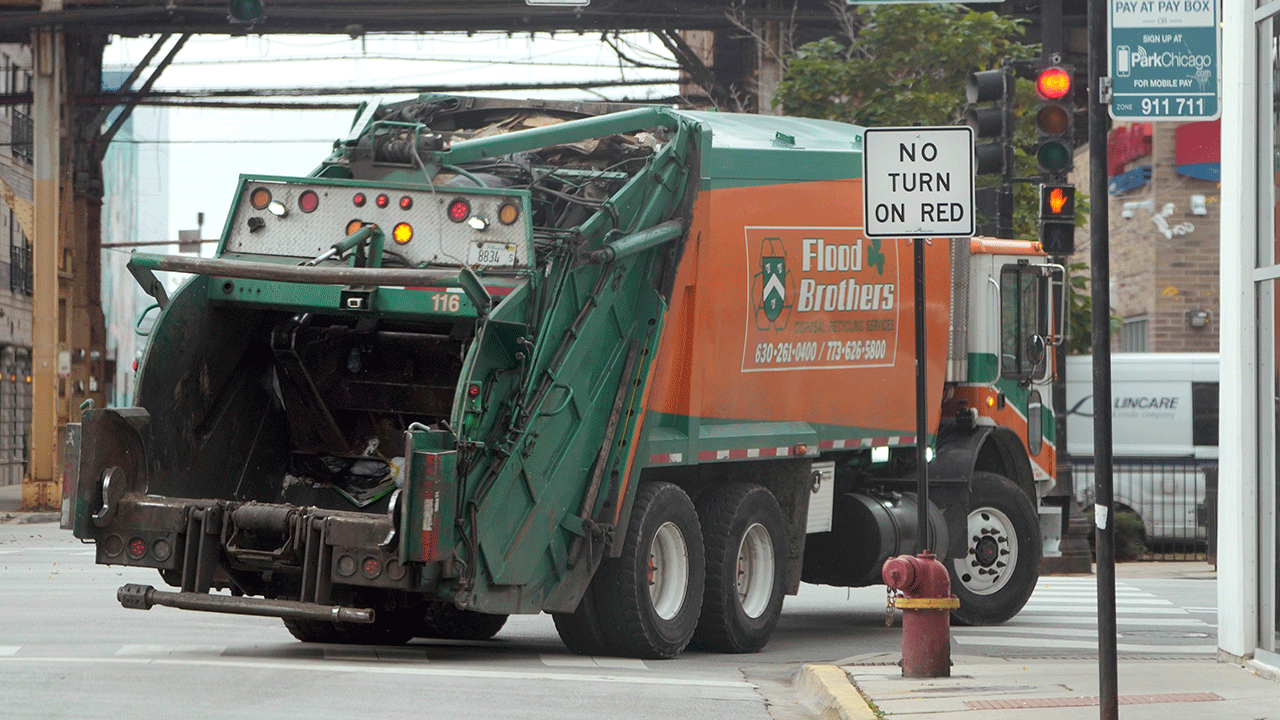
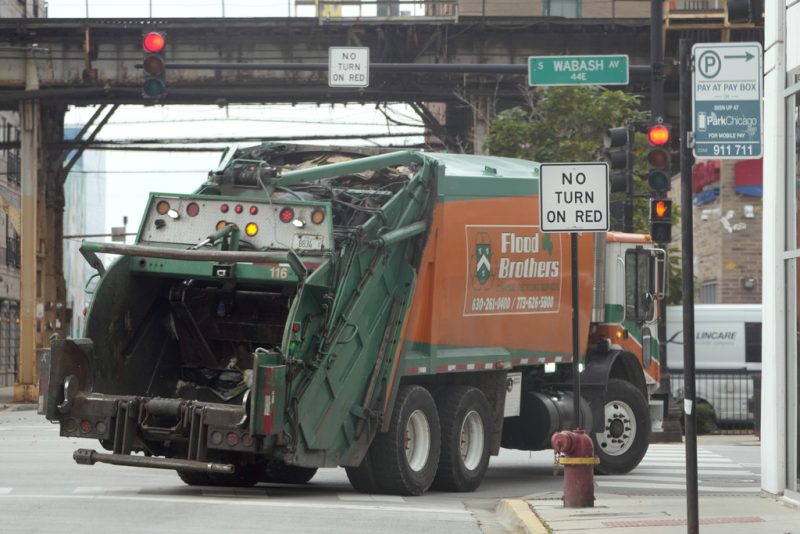
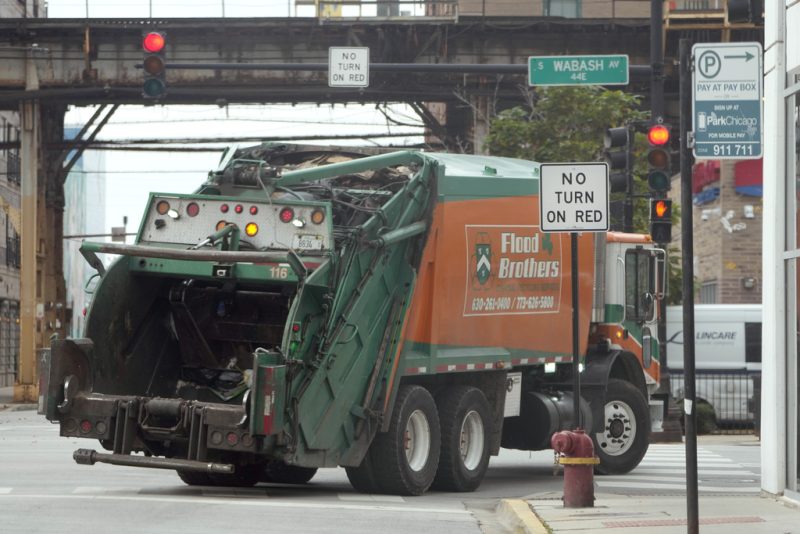
Riley O’Neil, a Chicago Department of Transportation planner who specialized in bike infrastructure, was killed Friday in Bridgeport after a car door opened into his path and a truck ran over him; police cited the driver with multiple offenses and the medical examiner ruled the death an accident. Colleagues and bike-safety advocates remember O’Neil as a dedicated public servant who helped push safer streets, and his death has intensified calls for more protected bike lanes and driver education to prevent similar tragedies.
The debate over banning the right-on-red driving rule in the US has sparked intense sentiments on both sides. Safety advocates argue that the practice contributes to a rise in accidents involving pedestrians and bicyclists, while opponents claim that blanket bans would not necessarily make streets safer. Some cities, including Washington, D.C., Ann Arbor, and San Francisco, have already implemented or considered right-on-red bans. Critics argue that such bans inconvenience motorists, slow down commuter buses and deliveries, and disproportionately penalize lower-income drivers. The debate highlights the need for evidence-based road infrastructure improvements to reduce accidents.
As pedestrian and bicyclist accidents continue to rise, several U.S. cities are considering banning the practice of making right turns on red lights. Washington, D.C., has already approved a ban that will take effect in 2025, while other cities such as Chicago, San Francisco, Los Angeles, Seattle, and Denver are also exploring similar measures. Safety advocates argue that banning right turns on red will improve road safety, while critics claim it will inconvenience motorists and slow down traffic. The United States is one of the few major countries that generally allow right turns on red, and the practice was initially implemented in response to the energy crisis in the 1970s. However, concerns over pedestrian and cyclist safety have prompted a reevaluation of this policy.
As pedestrian and bicyclist accidents continue to rise, several U.S. cities are considering banning the practice of making right turns on red lights. Washington, D.C., has already approved a ban that will take effect in 2025, while other cities such as Chicago, San Francisco, Los Angeles, Seattle, and Denver are also exploring similar measures. Safety advocates argue that banning right turns on red will improve road safety, while critics claim it will inconvenience motorists and slow down traffic. The United States is one of the few major countries that generally allow right turns on red, and the practice was initially implemented in response to the energy crisis in the 1970s. However, concerns over pedestrian and cyclist safety have prompted a reevaluation of this policy.
Several U.S. cities, including Washington, D.C., Chicago, Ann Arbor, San Francisco, Los Angeles, Seattle, and Denver, are considering or have already implemented bans on right turns on red lights due to a rise in accidents involving pedestrians and bicyclists. Advocates argue that drivers should not have the option to decide when it is safe to turn, while opponents claim that such bans would make driving more difficult and are part of an agenda to discourage driving. The United States is one of the few major countries that generally allow right turns on red, and the practice was initially encouraged in the 1970s to address an energy crisis. Safety advocates argue that official crash reports often underestimate the dangers, and studies have shown that larger vehicles like SUVs and pickup trucks pose a higher risk to pedestrians. Critics of the bans raise concerns about inconveniencing motorists, slowing down traffic, and disproportionately penalizing lower-income drivers.
Bicycle and safety advocates across the United States are calling for cities to ban right turns on red lights in order to improve pedestrian and cyclist safety. While some cities, such as Washington, D.C. and Ann Arbor, Michigan, have already implemented such bans, others like San Francisco, Los Angeles, Seattle, and Denver are considering similar measures. Advocates argue that allowing drivers to make right turns on red lights poses significant risks to pedestrians and cyclists, citing a rise in accidents causing injuries and fatalities. Critics, however, claim that blanket bans would not necessarily make streets safer and could inconvenience motorists and slow down traffic. The debate over right turns on red highlights the ongoing tension between prioritizing safety and accommodating different modes of transportation.