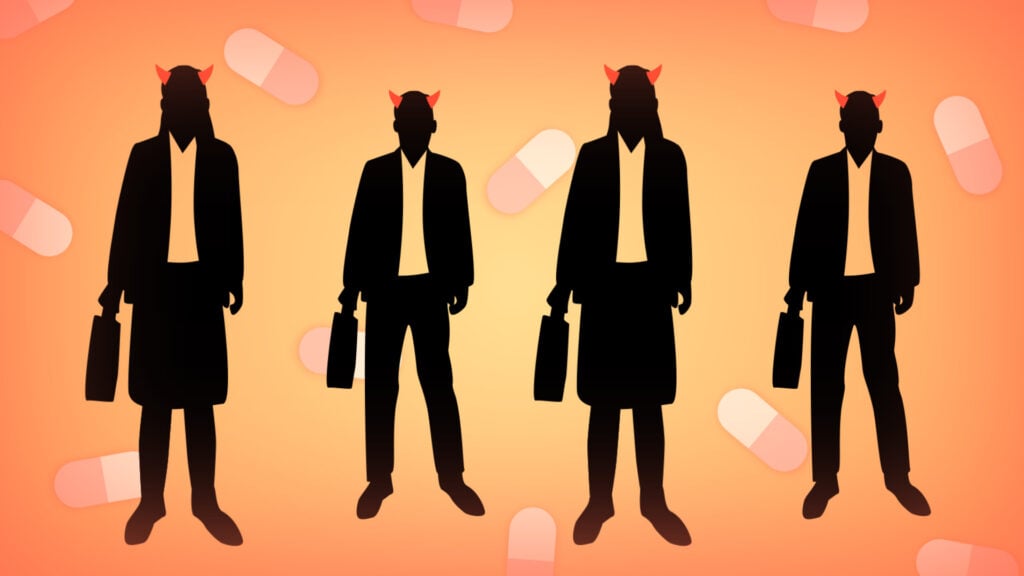
A look at 2025 Biopharma pay shows quirky perks—private jets, donations to wildfire relief, and a $23,000 internet bill—underscoring the extravagant and unconventional items in executive compensation.
Sanofi halted one phase 3 CIDP trial of riliprubart after an interim analysis showed insufficient efficacy and is evaluating whether to continue the second phase 3 study. The setback compounds a string of pipeline disappointments for the company and could reshape competition among CIDP therapies, including IVIg substitutes, with analysts previously eyeing riliprubart as a potential value driver in 2027.
Chai Discovery announced a license with Pfizer to deploy its frontier AI platform, including the Chai-3 model and a Pfizer-custom model, within Pfizer’s drug discovery engine to accelerate biomolecule design and target hard-to-reach areas. Pfizer will gain early access to Chai-3, which advances antibody design and generalization, alongside a tailored model leveraging Pfizer’s data. The deal highlights growing use of AI in pharma to shorten discovery timelines that traditionally span months to weeks.
Lilly will acquire Curevo, LimmaTech Biologics, and Vaccine Company to broaden its infectious-disease portfolio, spanning a shingles vaccine candidate, a bacterial-pathogen vaccine platform, and an EBV-focused virus-like particle vaccine, for up to about $3.83 billion in cash and milestone payments, subject to closing conditions.
OpenAI unveiled a life-sciences-focused AI model, GPT-Rosalind, aimed at the biopharma market and positioned to compete with Anthropic as tech giants push into pharma AI.
Doug Ingram of Sarepta Therapeutics is criticized as the worst biopharma CEO of 2025 for making risky decisions to push for broad approval of the gene therapy Elevidys for Duchenne muscular dystrophy, despite limited safety and efficacy data, leading to tragic consequences.
Sanofi is acquiring Blueprint Medicines for $9.1 billion to strengthen its rare immunology portfolio, marking the largest biopharma deal since January.
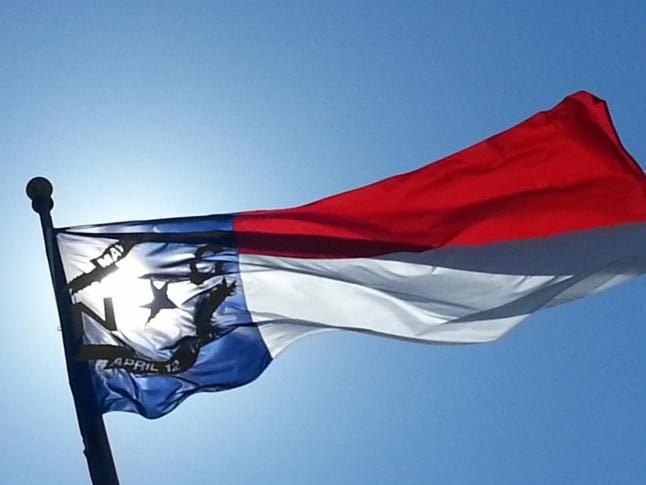
Biopharma device manufacturer Schott Pharma USA Inc. plans to invest $317 million in Wilson County, creating 401 jobs by 2030 with an average annual wage of $57,868. The project, expected to grow the state’s economy by $1.32 billion, will involve manufacturing syringes for pharmaceutical and biotech companies. The company chose Wilson due to labor availability, proximity to Research Triangle Park, and state and local incentives. This investment reflects North Carolina's appeal to global biotech and life sciences companies, with the state having attracted over 7,000 new jobs and $2 billion in capital investment from German companies over the past decade.
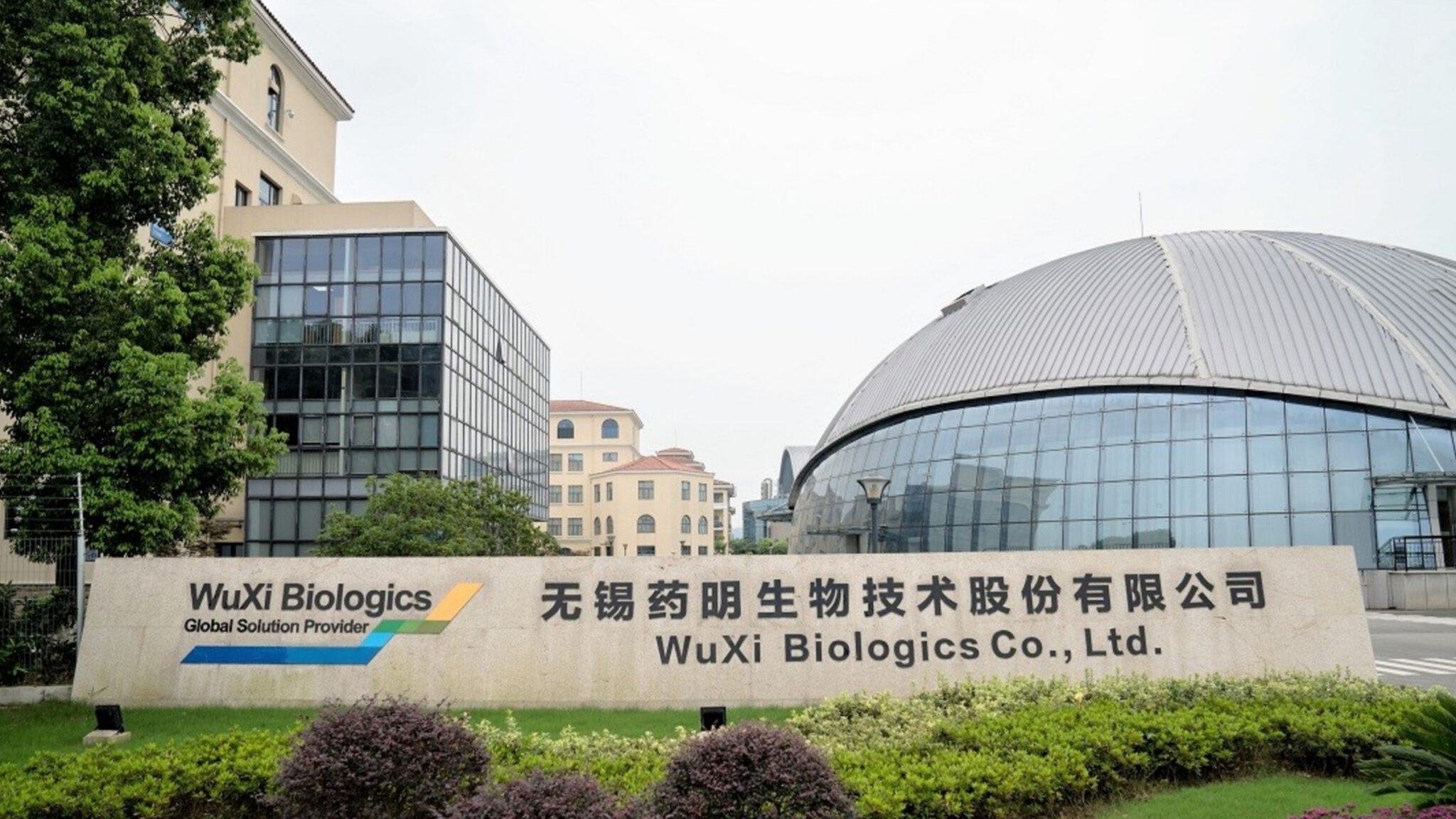
Lawmakers' explosive charges have put a global spotlight on China's WuXi, a major player in the biopharma industry, which is now facing increased scrutiny. The relationship between biopharma companies and global CRO/CDMOs can be disrupted by various issues such as regulatory issues, production snags, and questions about team leadership, impacting long-term projects with substantial stakes.
Nvidia's stock surged 24% as it continues to make strides in AI and life sciences, with partnerships with Meta, Recursion, and Amgen. The company's BioNeMo platform and collaborations with Recursion and Amgen demonstrate its leading role in integrating AI within drug discovery. Meanwhile, Prime Medicine's stock saw a 20% tumble following a downgrade by Stifel, reflecting greater investor interest in CRISPR-based gene editing technologies. Allakos announced a workforce reduction and restructuring after its lirentelimab missed endpoints, while Bullfrog AI's shares nearly doubled after early results from its collaboration with the Lieber Institute for Brain Development showed promising insights into psychiatric disorders.
Nvidia's stock surged 24% as it continues to make strides in AI and life sciences, with partnerships with Meta, Recursion, and Amgen. Recursion's LOWE software and Prime Medicine's gene editing therapy faced fluctuations in stock prices, while Allakos announced a workforce reduction after its drug missed endpoints. Bullfrog AI's collaboration with LIBD yielded promising results in understanding and treating psychiatric disorders, leading to a significant increase in its stock price.
Biotech and pharma companies in Israel are assessing the impact of recent Hamas strikes on their operations and employees. The attacks, which included rocket launches and airstrikes, have prompted some companies to issue statements clarifying the situation. Israel has declared war on Hamas, and casualties are increasing on both sides.
Peter Marks, the head of the Center for Biologics Evaluation and Research, has acknowledged an uptick in clinical holds for cell and gene therapies during the height of the pandemic, and is considering "alternatives" to manage them. Meanwhile, Tessera Therapeutics has announced preliminary data from five preclinical programs using its "gene writers" to tweak specific letters or insert entirely new sequences of DNA. An FDA independent advisory panel has voted in general support of recommending Pfizer's RSV vaccine, Abrysvo, to protect infants from the respiratory virus. Third-party manufacturer Catalent has announced a series of dramatic steps to right its business, including replacing top executives and site managers. Novo Nordisk is hitting the brakes on a national advertising campaign for obesity drug Wegovy to keep demand in check.
Amgen CEO, Robert Bradway, remains confident that the $28 billion deal with Horizon Therapeutics will close despite the FTC lawsuit filed to block the merger. The FTC argues that the merger would allow Amgen to use rebates on its existing drugs to pressure insurance companies and pharmacy benefit managers into favoring Horizon’s thyroid eye disease and chronic refractory gout products. The lawsuit is expected to have a significant impact on M&A enthusiasm across the biopharma sector.