Tag

Borrelia Burgdorferi

All articles tagged with #borrelia burgdorferi

Lyme Disease: Understanding Symptoms, Transmission, and Treatment
health2 months ago

Lyme Disease: Understanding Symptoms, Transmission, and Treatment

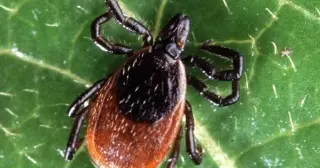
Lyme disease, the most common tick-borne illness in the US, affects approximately 476,000 people annually. Caused by bacteria transmitted through deer tick bites, it is highly treatable with antibiotics if detected early. Symptoms include flu-like signs and a characteristic rash, while delayed treatment can lead to severe joint, nerve, and heart complications. Prevention relies on tick checks, repellents, and prompt removal of attached ticks.

UNC Study Confirms Lyme Disease Ticks Have Reached Western North Carolina
health3 months ago

UNC Study Confirms Lyme Disease Ticks Have Reached Western North Carolina

A new CDC-published study led by UNC researchers confirms that blacklegged ticks carrying Lyme disease bacteria are now established in western North Carolina. Testing 373 ticks in Biltmore Forest, Buncombe County, researchers found that 40% of adult ticks carried Borrelia burgdorferi, infection rates comparable to the Northeast. The study also detected bacteria causing anaplasmosis and hard tick relapsing fever, marking the southernmost detection for some pathogens. Officials urge increased awareness and prevention in the region.

Majority of Wisconsin deer ticks tested carry Lyme disease bacteria
health6 months ago

Majority of Wisconsin deer ticks tested carry Lyme disease bacteria

A Marshfield Clinic-led study through the Tick Inventory via Citizen Science found that 51% of 707 non-engorged adult female deer ticks tested in 2024 carried Borrelia burgdorferi, the bacteria that causes Lyme disease, with additional data from 2024–25. Lyme disease is the most common tick-borne illness in the Upper Midwest, and ticks can carry other pathogens; climate shifts are expanding tick ranges, increasing human exposure risk; researchers emphasize mapping pathogen prevalence to guide public health responses.