Tag

Boxgrove

All articles tagged with #boxgrove

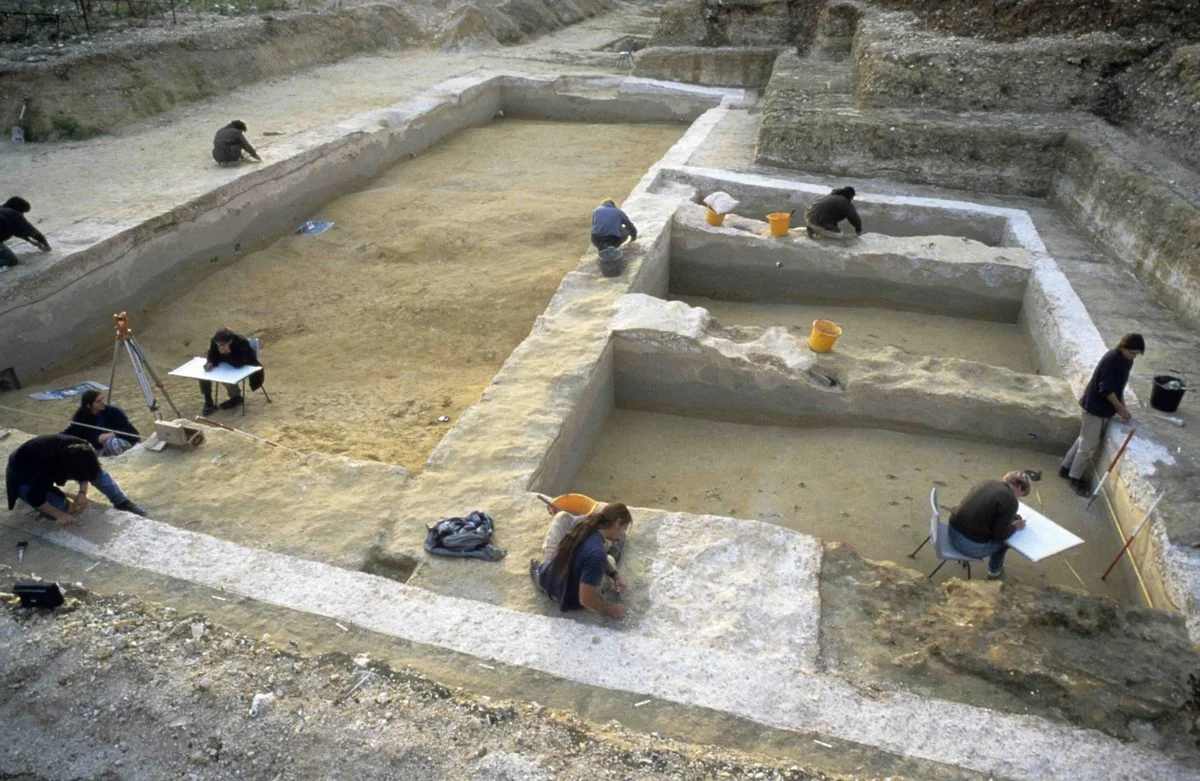
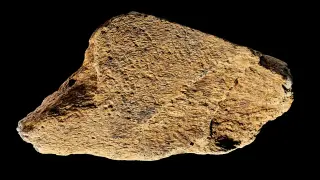
Britain’s 500,000-year-old elephant bone tool reveals early humans’ refined toolmaking
science28 days ago

Britain’s 500,000-year-old elephant bone tool reveals early humans’ refined toolmaking

Archaeologists discovered a roughly 11 cm elephant bone fragment from Boxgrove dating to about 500,000 years ago, used as a retoucher to strike, reshape, and sharpen stone tools; the oldest elephant bone tool found in Europe, it suggests early humans (likely Neanderthals or Homo heidelbergensis) had advanced, selective material use and sophisticated toolcraft.

500,000-Year-Old Elephant Bone Hammer Reframes European Toolmaking
science6 months ago

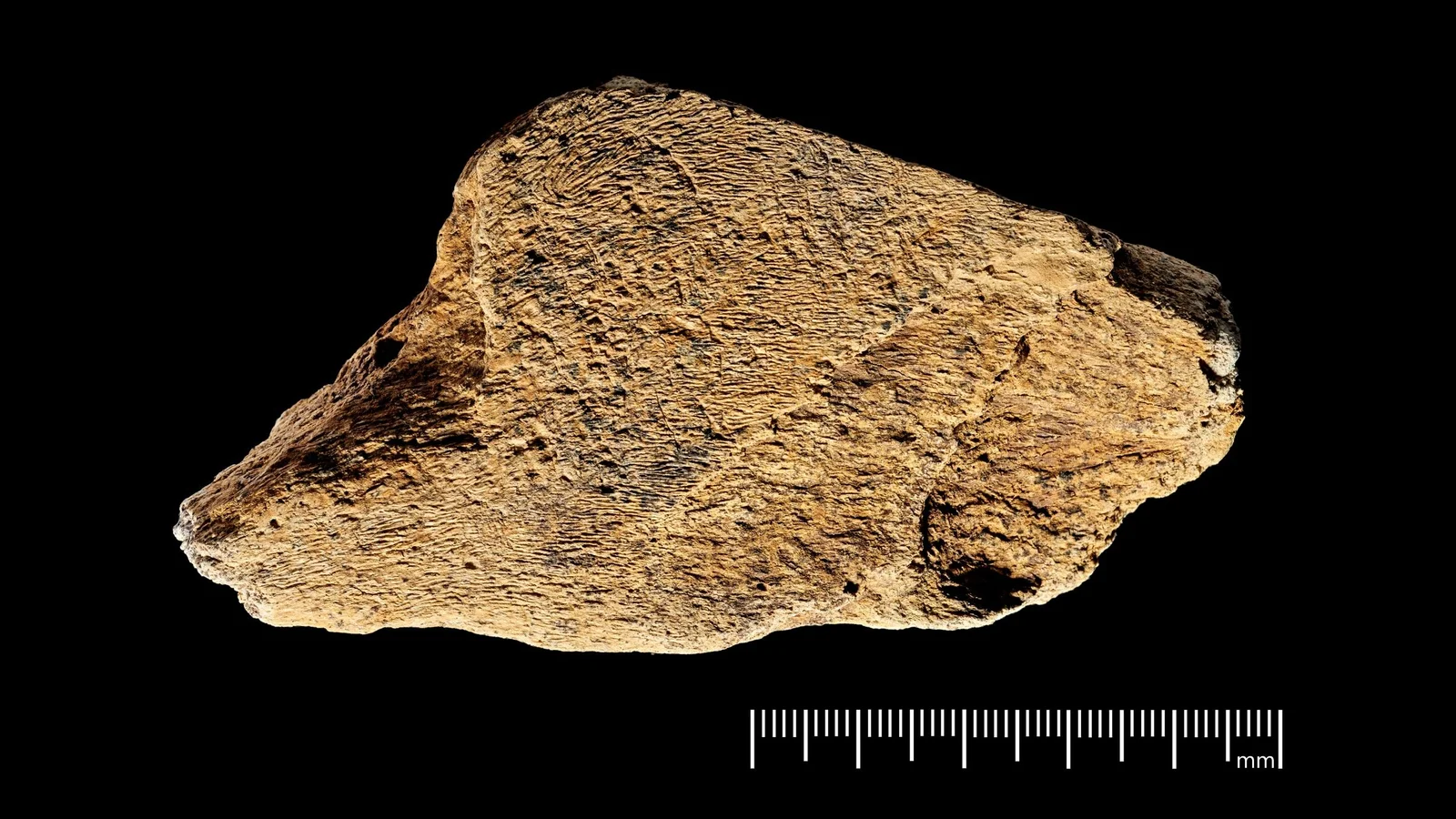
500,000-Year-Old Elephant Bone Hammer Reframes European Toolmaking

New analyses of a 500,000-year-old elephant bone hammer from Boxgrove, England, using 3D scanning and electron microscopy, reveal deliberate wear and flint residues showing it was a crafted tool used to shape stone, indicating advanced planning by Homo heidelbergensis or early Neanderthals and making it the oldest known elephant bone tool in Europe.

Ancient elephant-bone retoucher reveals 480,000-year-old European toolmaking prowess
science7 months ago

Ancient elephant-bone retoucher reveals 480,000-year-old European toolmaking prowess

A 4.3 by 2.3 inch elephant bone tool from Boxgrove, in southern England, has been identified as a retoucher used to knap and sharpen lithic hand axes about 480,000 years ago. This makes it the oldest known elephant-bone tool found in Europe and highlights early humans’ sophisticated material knowledge and craftsmanship, likely belonging to Homo heidelbergensis or early Neanderthals.

Half‑Million‑Year‑Old Elephant Bone Hammer Unveils Early European Craftsmanship
science7 months ago

Half‑Million‑Year‑Old Elephant Bone Hammer Unveils Early European Craftsmanship

Archaeologists describe a 500,000-year-old hammer carved from elephant bone found at Boxgrove, the oldest elephant bone tool in Europe and likely made by Neanderthals or Homo heidelbergensis; about 11 cm by 6 cm by 3 cm, it shows shaping marks and contains embedded flint fragments, indicating it was used as a soft hammer to knap stone and revealing sophisticated toolcraft in early Europeans.