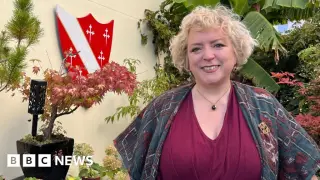
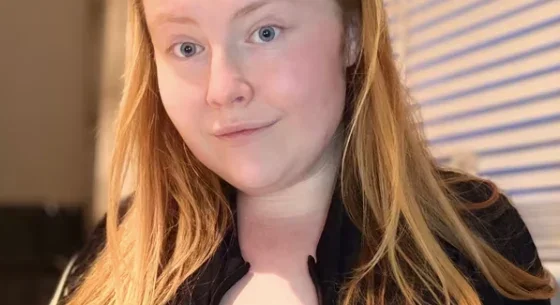
Charlotte Howard, a 52-year-old horticulturist from West Lavington, Wiltshire, is considering paying up to £9,000 for private breast reduction surgery after being denied NHS coverage. Her breasts grew from a 32B to a 40GG during menopause, causing chronic back pain, skin rashes, and public harassment. The NHS declined to comment on her specific case, stating that such procedures are not routinely commissioned but are assessed individually based on clinical need and resource fairness.
A new study finds women with macromastia have higher rates of chronic migraine, neck pain, and sleep apnea. Researchers suggest mechanical strain may link breast size to these conditions, though more evidence is needed.
A new study published in Headache: The Journal of Head and Face Pain finds that women with macromastia (enlarged breasts) have significantly higher rates of chronic migraine, neck pain, cervical radiculopathy, and obstructive sleep apnea. The retrospective analysis of 687 women at Stanford Medical Center clinics showed that macromastia was associated with a 40% higher prevalence of chronic migraine, double the rate of neck pain, and a 54% higher likelihood of sleep apnea. While the study does not prove causation, it suggests that macromastia may contribute to broader health issues beyond physical discomfort. Lead author Kristyn Pocock emphasizes the need for comprehensive evaluations for women experiencing these symptoms. Preliminary evidence indicates that breast reduction surgery may help alleviate some symptoms, but larger studies are needed to confirm these benefits.
A new study reveals that women with macromastia, a condition involving abnormally large breasts relative to their frame, face significantly higher risks of chronic migraines, obstructive sleep apnea, and cervical radiculopathy. Researchers found that these women were 40% more likely to suffer from chronic migraines and nearly 50% more likely to experience sleep apnea compared to those without the condition. While neck pain and backaches are commonly associated with larger breast size, the neurological connections were less anticipated. The study, which analyzed health records of 687 women treated at headache and neurology clinics, suggests that macromastia may impact broader health aspects beyond cosmetic concerns. Lead author Kristyn Pocock emphasized the need for comprehensive evaluations to address these symptoms. Although macromastia is common, its severe form, gigantomastia, is rare, with only about 300 documented cases globally. Treatment options include medication and surgery, with breast reduction often recommended for symptom relief. The findings highlight the importance of recognizing macromastia as a medical condition with potential neurological implications.
A Minnesota jewelry designer, Ellen Larson, treated years of back pain and poor posture caused by very large breasts and weight fluctuations by losing about 25 pounds with GLP-1 medications and then undergoing breast reduction and liposuction in Barcelona. The €10,500 procedure lowered her bust from 36G to around 36C, though a nipple complication required a brief extra surgery. She’s thrilled with the results and excited to wear styles she previously avoided, sharing her journey to inspire others online.
Britain’s 2025 BAAPS audit shows breast reductions and implant removals now exceed augmentations for the first time, driven by active lifestyles and the rise of athleisure; women account for 93.9% of 25,217 cosmetic procedures, with total cosmetic surgeries at 26,840, while facial procedures grow (brow lifts up 27%). Among men, eyelid surgery becomes the most common at 346, ahead of rhinoplasty (273).
Tianna Moon, a 30-year-old from East Anglia, says her 34NN breasts keep growing due to gigantomastia—a rare condition—after shedding weight on the drug Mounjaro; diagnosed in 2025, she struggles to find bras, experiences back and rib pain, and has had a private gastric sleeve to ease pain. Now at 14 stone, she considers reduction surgery while earning around £10,000 a month on OnlyFans, and she faces online skepticism about her diagnosis.
A UK woman, Tianna Moon, shed five stone on the weight‑loss drug Mounjaro but developed gigantomastia, with breasts growing to 34NN and causing pain, scarring, and breathing difficulties. After a private gastric sleeve in November 2025, she’s pursuing breast reduction, though NHS criteria offer no guarantee the growth will stop. She has discussed the condition publicly and is reportedly earning up to £10,000 a month on OnlyFans.
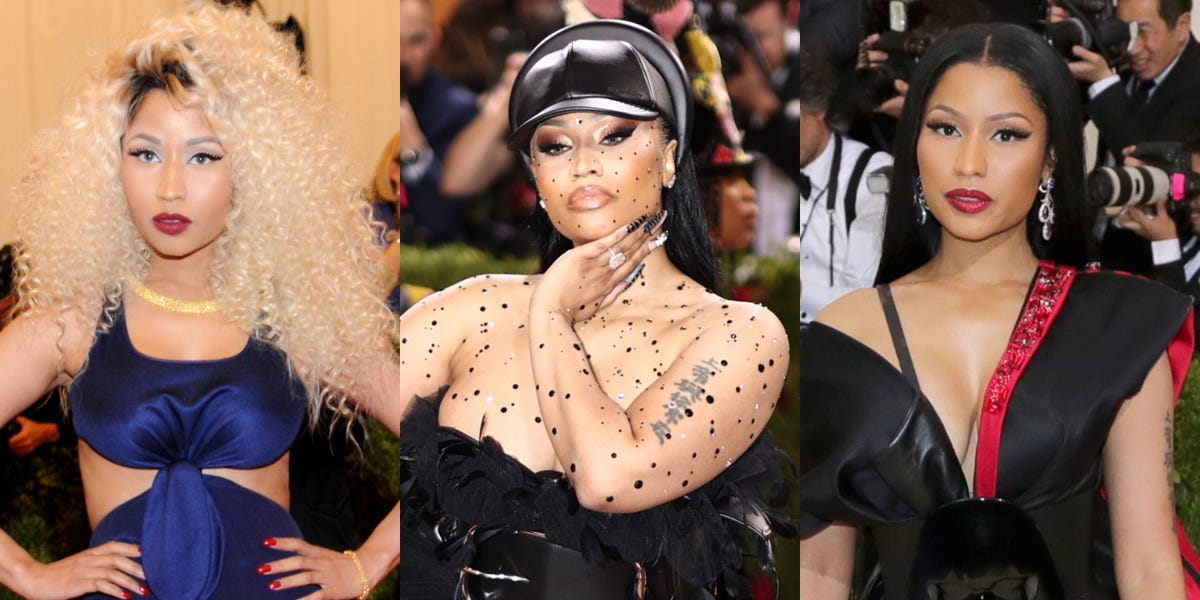
Nicki Minaj reflects on her Met Gala styles in a Vogue interview, revealing that her 2022 look "cemented" her decision to get a breast reduction. She cringed while looking back at her fashion choices, particularly the gown that caused her to worry about her breasts spilling out. Minaj has attended the Met Gala six times since 2013, showcasing her iconic and sometimes daring styles.
Actress Sherri Shepherd, 56, revealed on her talk show that she underwent a breast reduction surgery in July, expressing her happiness with the results and the relief it brought from back pain. Shepherd addressed criticism for returning to work amid the ongoing writers and actors strikes, clarifying that her show operates under a different contract and has never employed writers. She also showed support for the strikes, highlighting the need for fair wages and protection against AI replacing actors and writers.
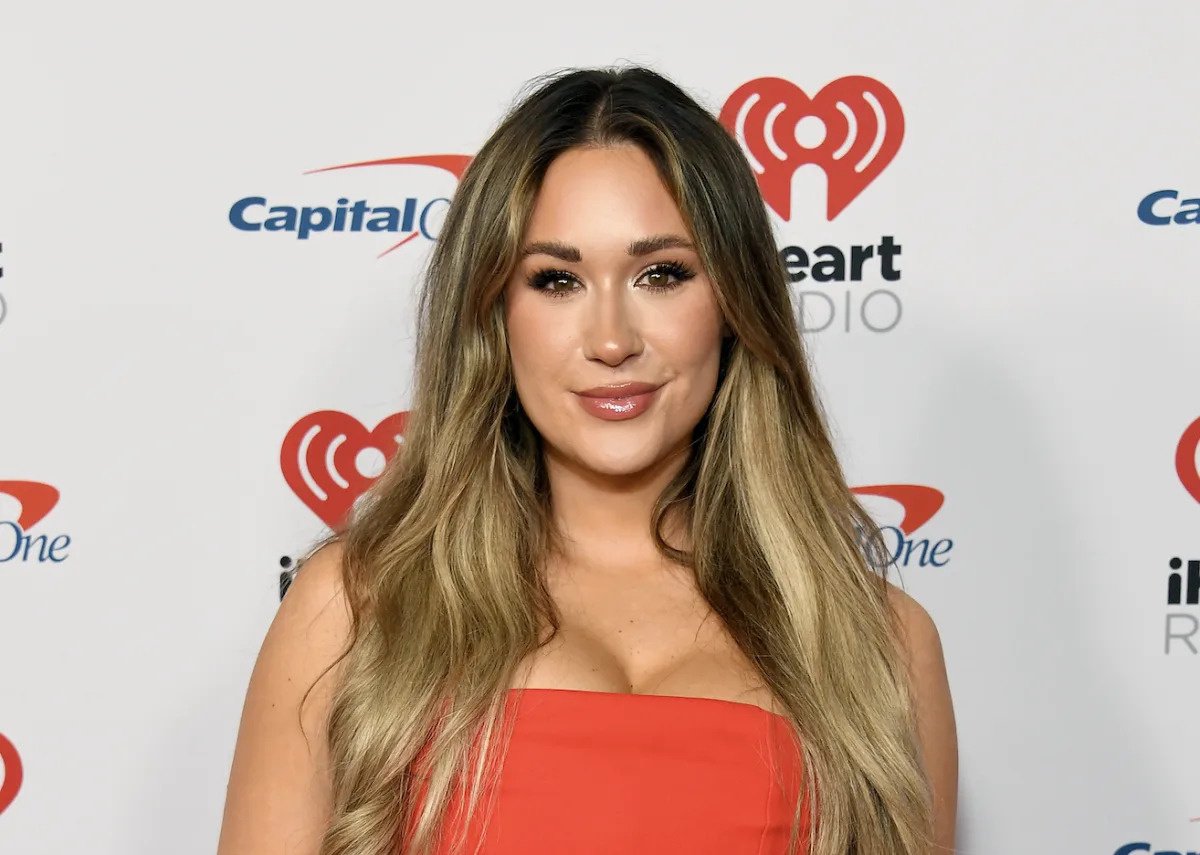
Former Bachelorette Rachel Recchia showed off her new look at Coachella, post breast reduction. The 27-year-old had previously talked about her desire to wear certain styles of clothing that she wasn't able to because of the size of her breasts. She first considered getting a reduction when she was 17. Recchia took to TikTok to share a video of her outfit and, more specifically, her smaller breasts, tucked underneath a cropped white tank top. "I have waited my entire life to wear this top!!!" she captioned the video.
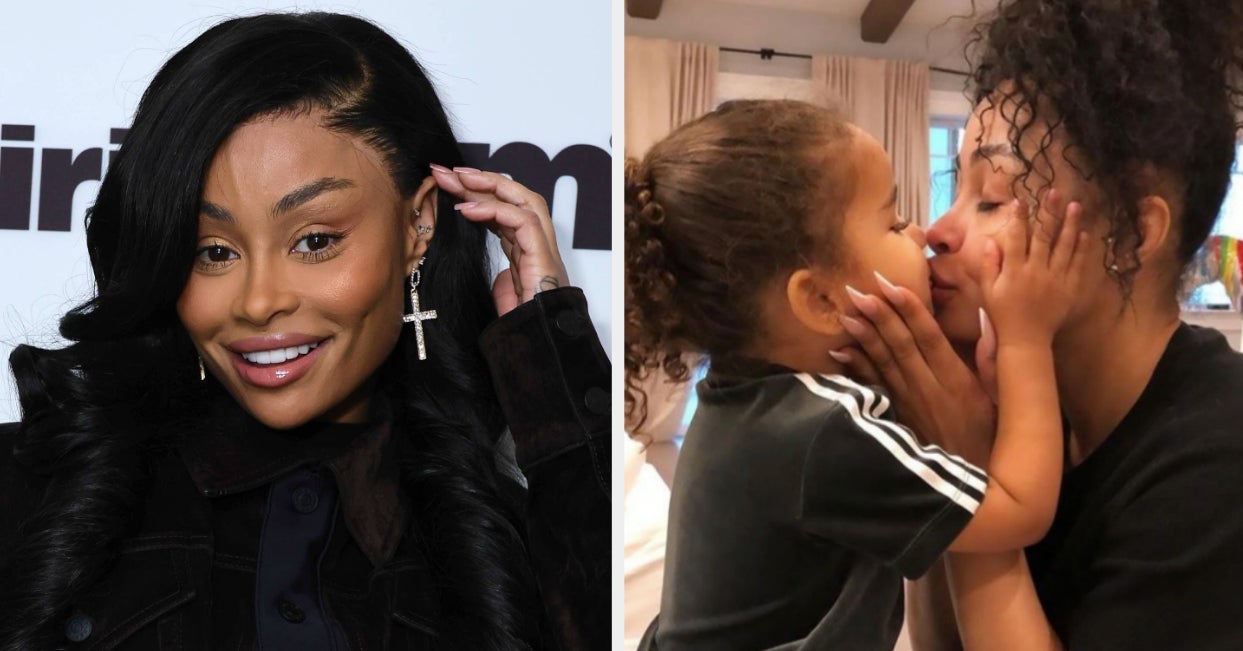
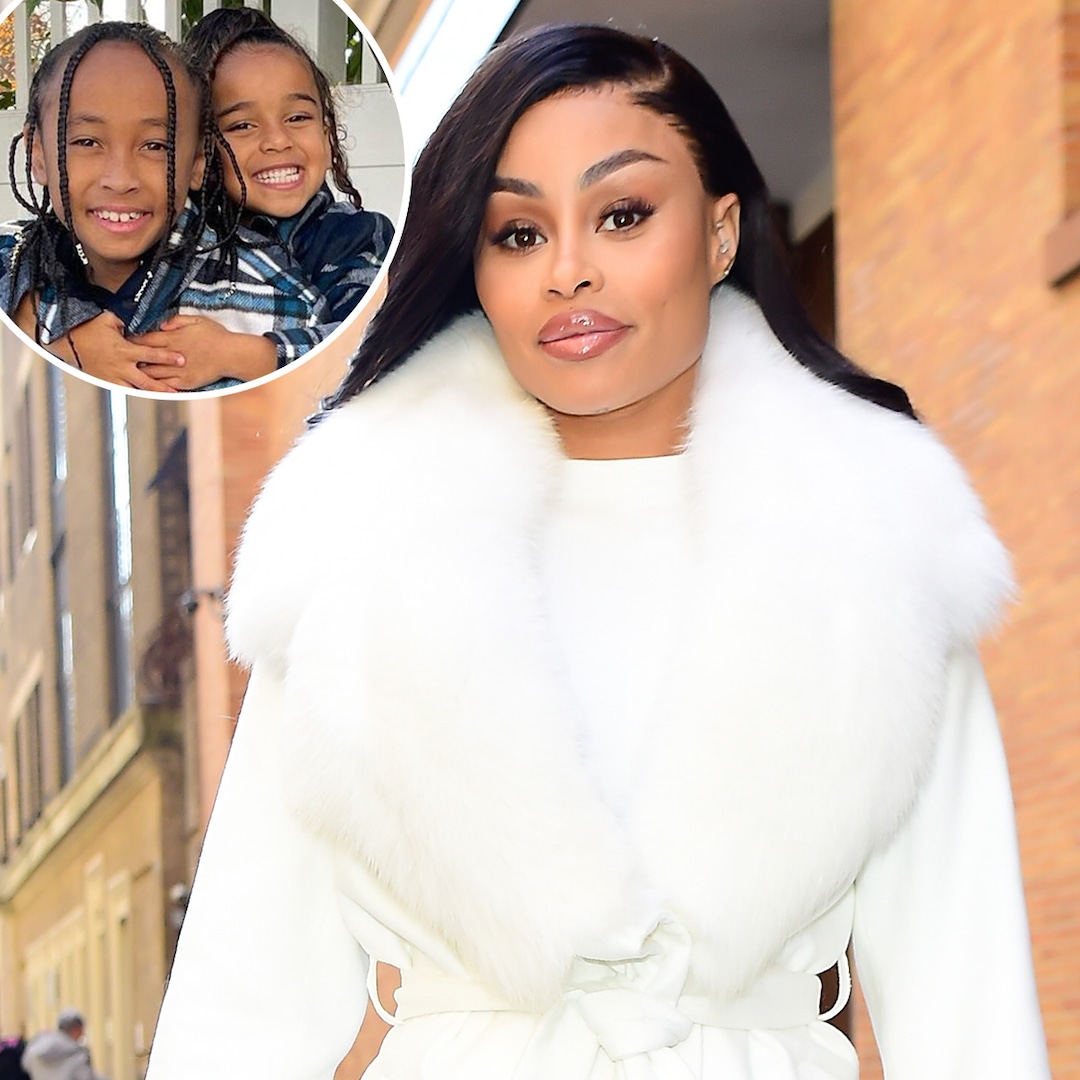
Blac Chyna has undergone a breast and butt reduction surgery after years of augmentation. She revealed that she had silicone implants from her breasts removed, as well as injections in her butt. After the eight-hour surgery, she shared the news with her children, who were unfazed by the changes. Her daughter Dream was more fascinated by her shorter nails, which Chyna said was more relatable to her.
Blac Chyna shared how her children, King Cairo and Dream Kardashian, reacted to her recent breast and butt reduction surgeries. While they were not too fazed by the changes, Dream was surprised by her mom's short nails. Blac Chyna also noted that her kids are paying attention to her choices and are like "real sponges." She recently underwent the surgeries as part of her transformation journey and warned against getting silicone injections.
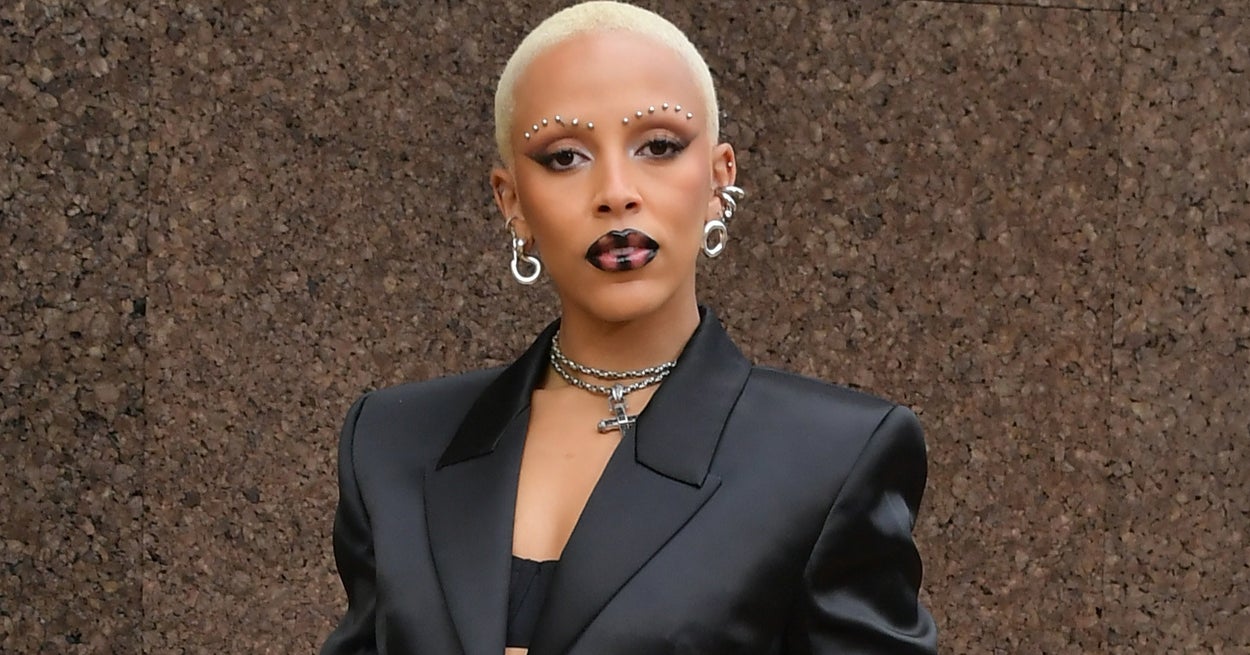
Rapper Doja Cat revealed on Twitter that she underwent breast reduction and liposuction surgery earlier this month and is now in recovery. She clarified that she got a reduction, not implants, and is now a size 32C. She has about three months of recovery ahead of her but is already pleased with the results.
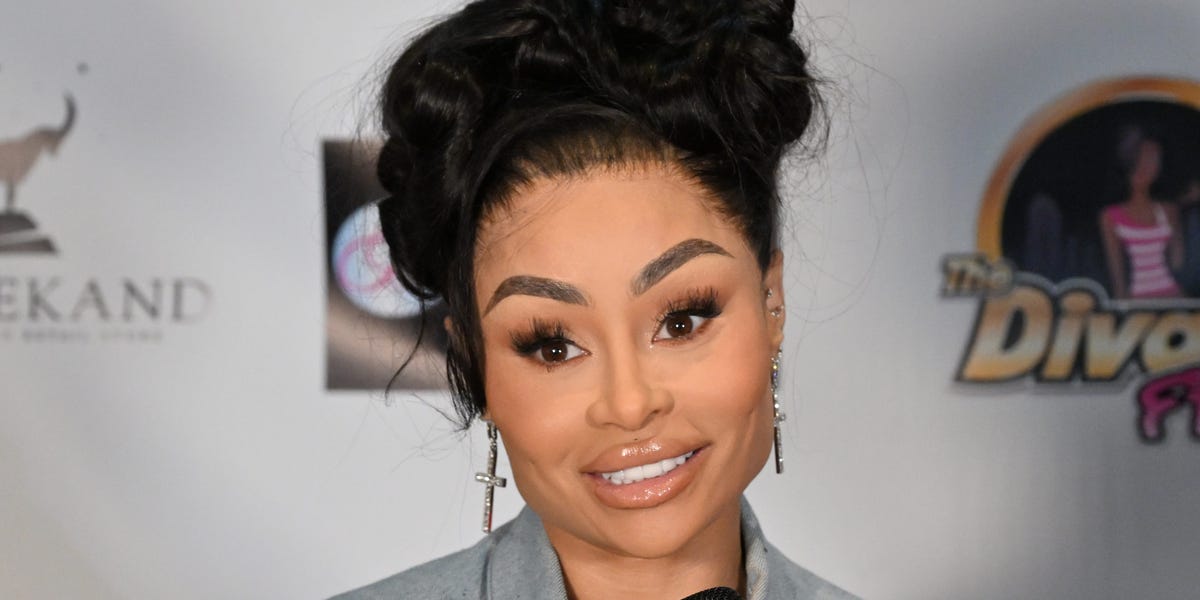
Blac Chyna has removed all of her facial fillers and shared the procedure on Instagram, just days after revealing she had a breast and silicon butt implant reduction. Chyna said she was tired of the look and wanted to embrace her natural looks. She joked that the fillers made her face look like a box and that she looked like Jigsaw from "Saw" or "The Mask" when contoured. Chyna said she felt like she could see an "almost instant" difference in her face after the "easy process."