Tag

Buoyancy

All articles tagged with #buoyancy

Venus’s 50-km Sky: a breathable, buoyant habitat floating in acid clouds
science18 days ago

Venus’s 50-km Sky: a breathable, buoyant habitat floating in acid clouds

At about 50 km above Venus’s surface, pressure and temperature become Earth-like enough that breathable air could act as a lifting gas for a large aerostat habitat. While the idea is theoretically viable and could shield residents from some surface hazards, major practical hurdles remain: the sulfuric-acid cloud deck would demand long‑lasting protective materials, life-support and closed‑loop systems, power and waste handling, and the logistics of entry, deployment and ascent. NASA’s HAVOC-style studies show the concept is serious in theory, but it is not a ready plan—Venus may offer an elegant engineering possibility rather than a habitable world in the clouds.

Lake Malawi larvae reveal insects may venture into the open ocean
science1 month ago

Lake Malawi larvae reveal insects may venture into the open ocean

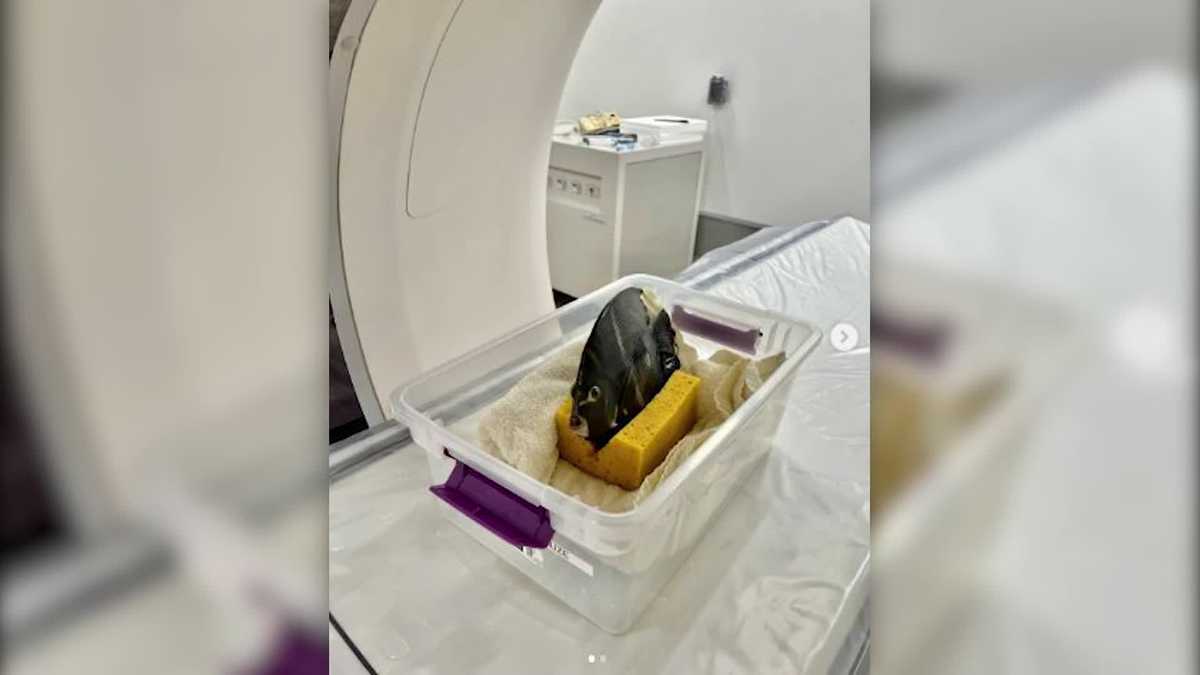
Scientists tracking Chaoborus edulis in Lake Malawi found larvae descend more than 200 metres into the oxygen-free bottom layer by day to avoid predators, then feed at night; their reinforced air-filled buoyancy sacs actively adjust depth and resist crushing under pressure, a surprising adaptation that could help insects colonize pelagic marine environments.

Bubble bursts help sperm whales stay neutrally buoyant while napping
science1 month ago

Bubble bursts help sperm whales stay neutrally buoyant while napping

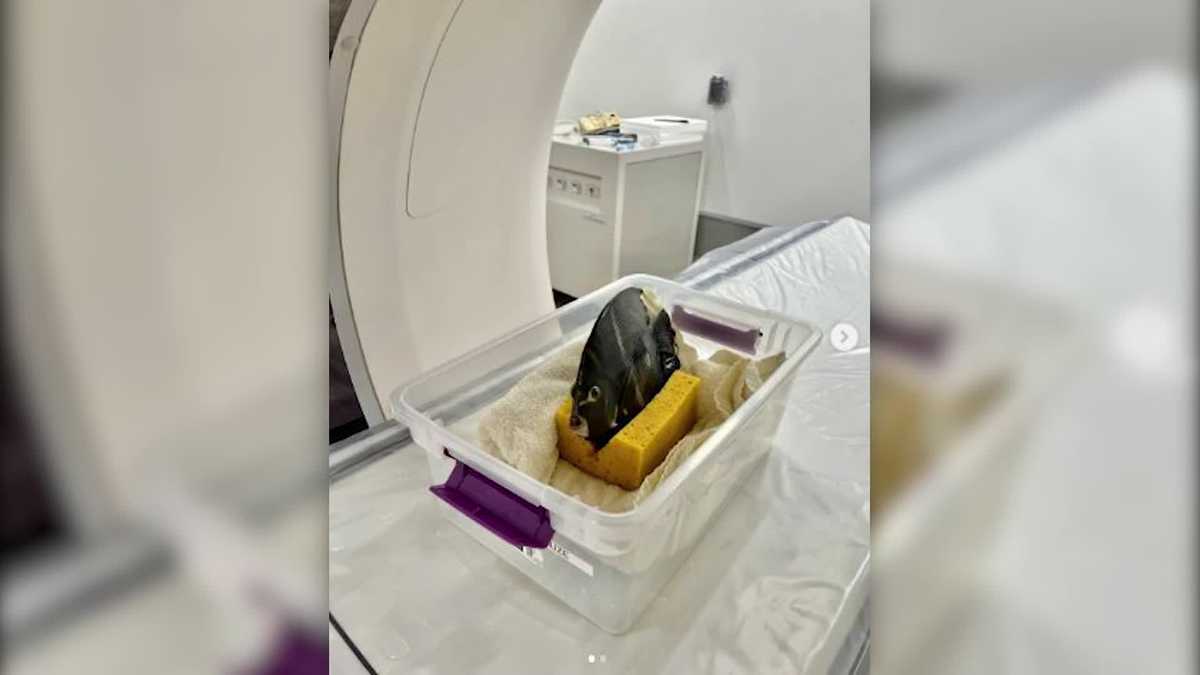
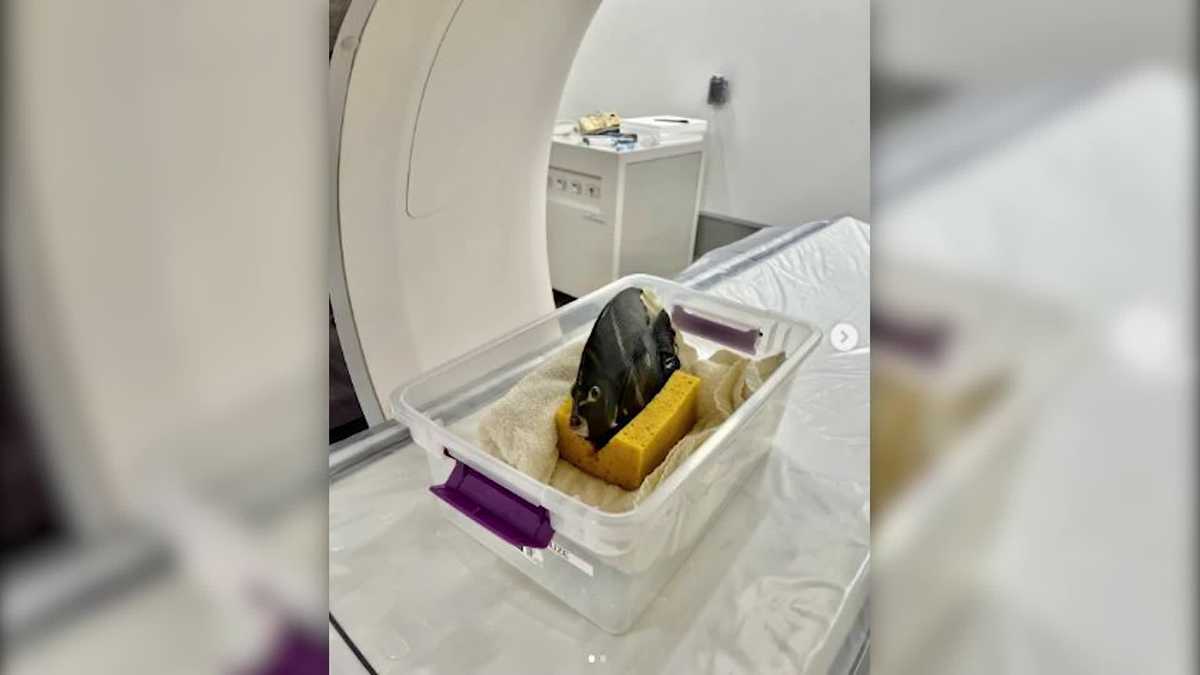
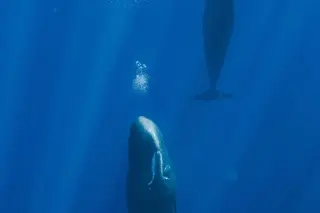
A study tagging 42 sperm whales found that, during resting dives, the whales blow bubbles to counter lung gas expansion and maintain neutral buoyancy, especially when resting nearer the surface (about 11 releases) versus deeper returns (3–4 releases). Deeper rests show fewer bubble releases, suggesting a buoyancy-control function, while the whales likely sleep with one brain hemisphere at a time to breathe and stay vigilant. The findings were published in the Journal of Experimental Biology.

Ancient Crinoids Hide Buckminsterfullerene-Like Spheres in Their Skeletons
science4 months ago

Ancient Crinoids Hide Buckminsterfullerene-Like Spheres in Their Skeletons

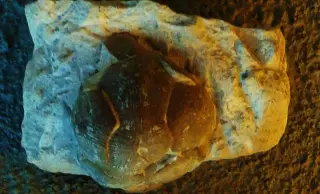
Researchers found spherical, ball-like skeletal arrangements in 80-million-year-old crinoid fossils (Marsupites testudinarius and Uintacrinus socialis) that resemble buckminsterfullerene structures, suggesting these shapes helped with protection and buoyancy in predator-rich ancient oceans. The design appears across wide fossil deposits but vanished in later species, leaving scientists with questions about why the form disappeared.

Superhydrophobic tubes stay afloat, even when punctured
technology6 months ago

Superhydrophobic tubes stay afloat, even when punctured

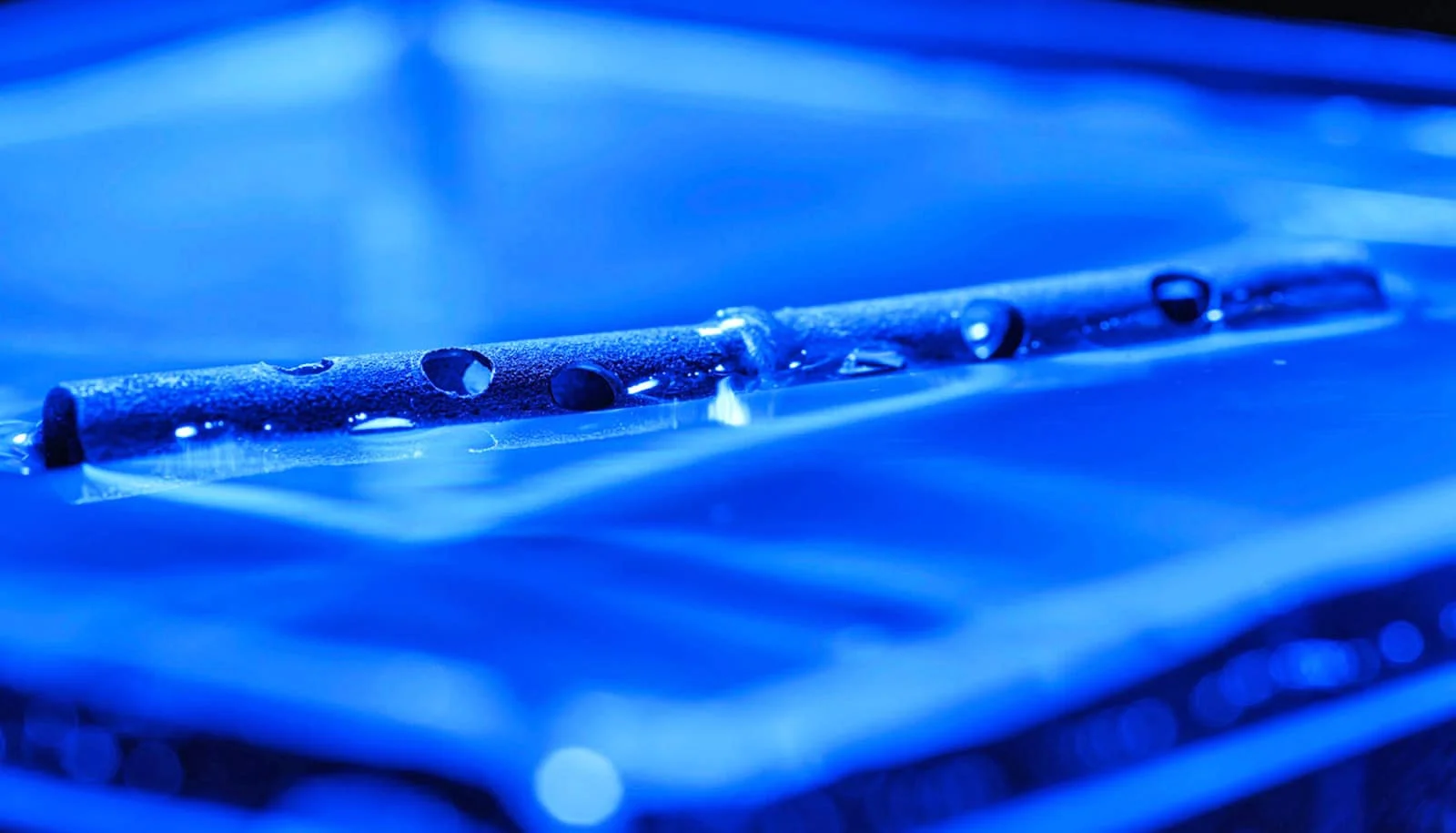
Researchers at the University of Rochester have etched aluminum tubes to create micro- and nano-pits that render the surface superhydrophobic. When placed in water, the tubes trap a stable air bubble and stay buoyant even if heavily damaged; a middle divider keeps the bubble in place, enabling linked tubes to form rafts for ships, buoys, and floating platforms with potential renewable-energy applications.

Mass vs. Weight: Understanding the Difference.
science3 years ago

Mass vs. Weight: Understanding the Difference.

Mass and weight are related but separate concepts in physics. Mass is an intrinsic property of an object, while weight is the force exerted on an object's matter by a gravitational field. The equivalence principle states that gravitational mass and inertial mass are equivalent. Buoyancy explains why floating objects still have weight, as they displace fluid and experience an upthrust equal to the weight of the fluid displaced. The weight of an object is spread out across the planet's atmosphere when it flies, making it difficult to measure.