ZFP36L2 serves as a stress-switch linking regeneration and metastasis in colorectal cancer
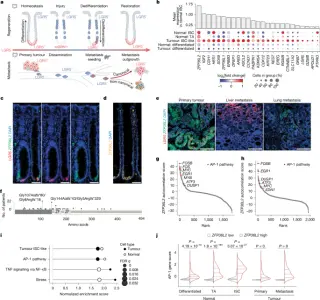
A study identifies the RNA-binding protein ZFP36L2 as a stress-responsive switch that binds AU-rich 3′ UTRs in stress-related mRNAs, drives condensate formation and targeted degradation to terminate the stress response, and enables dedifferentiation into LGR5+ intestinal stem cells necessary for regeneration and canonical metastasis. In ZFP36L2-deficient colorectal cancer, canonical metastasis seeding is impaired but non-canonical, heterogeneous cell states emerge, linking ZFP36L2 to cancer plasticity and patient outcomes.