Seawater and CO2 turn into carbon-storing cement ingredients
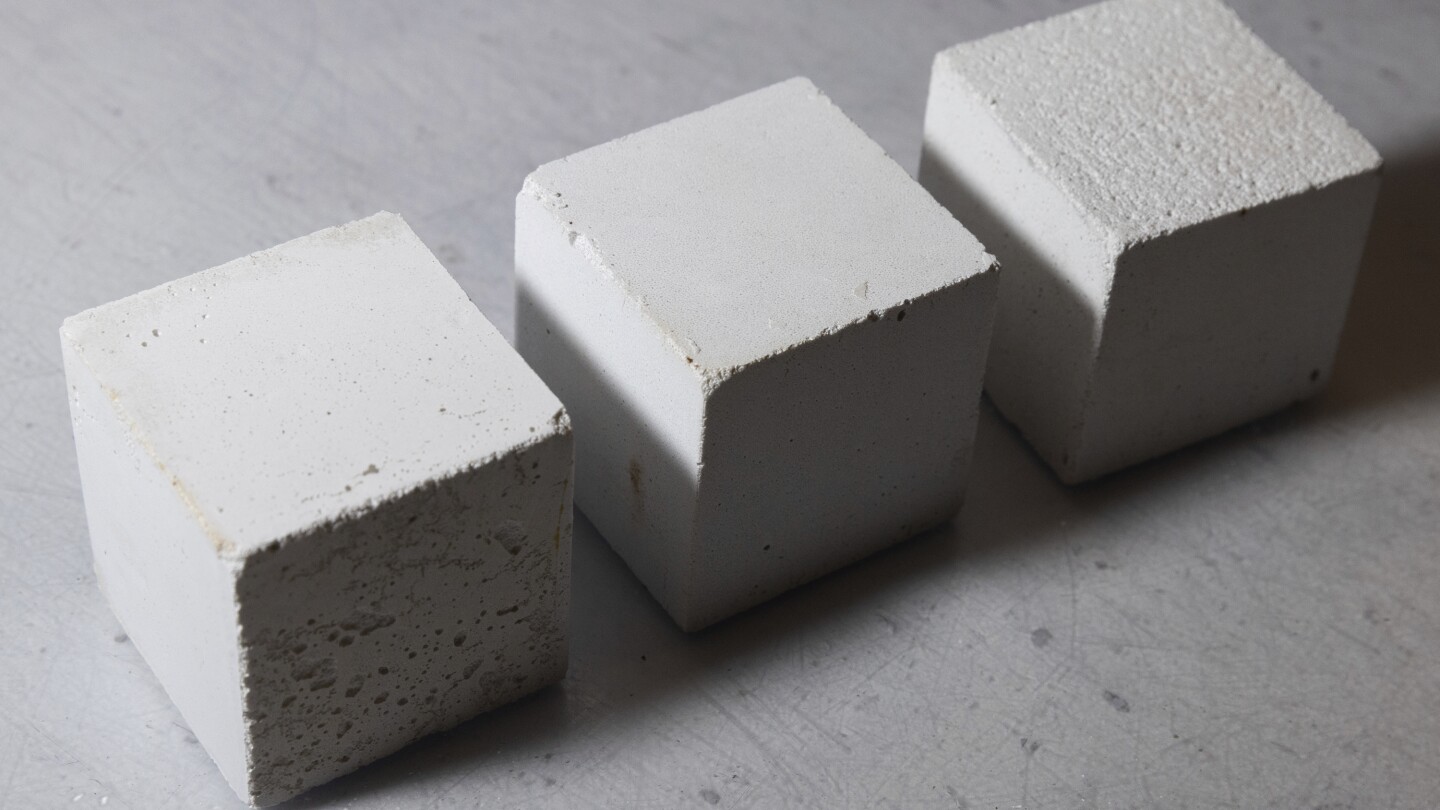
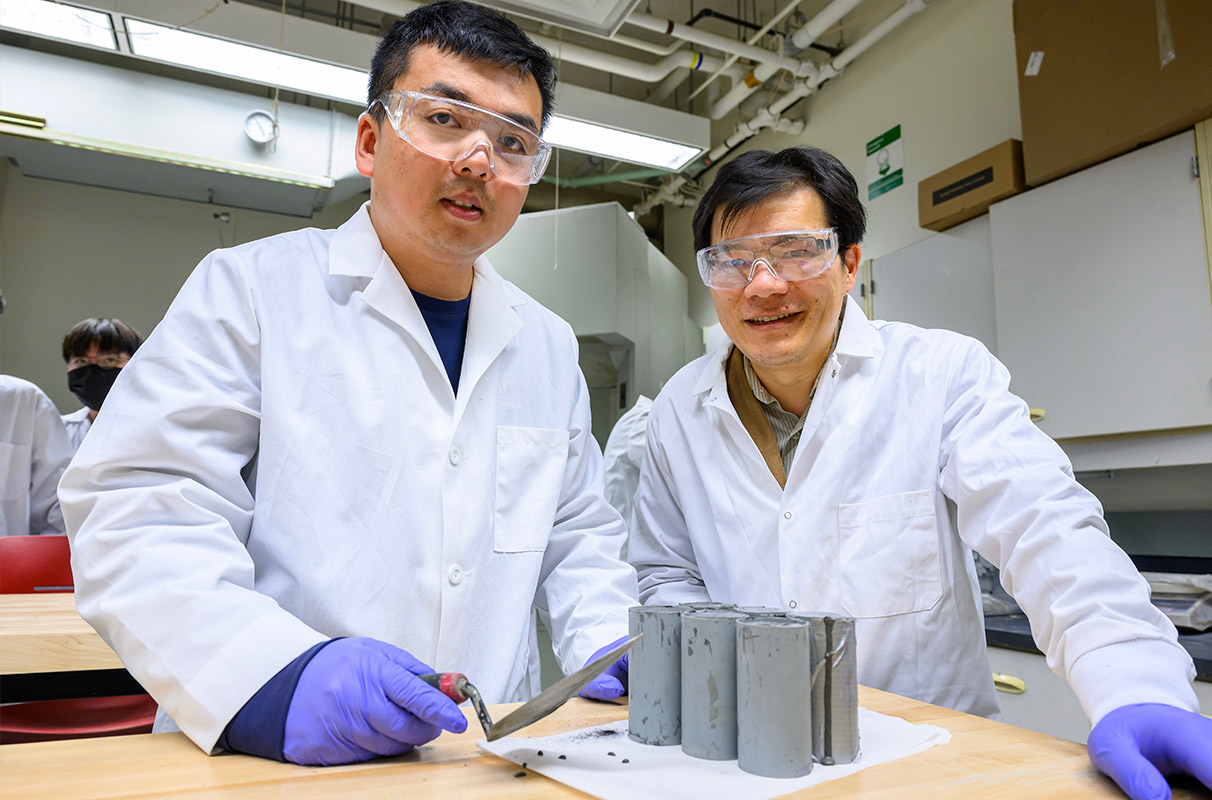
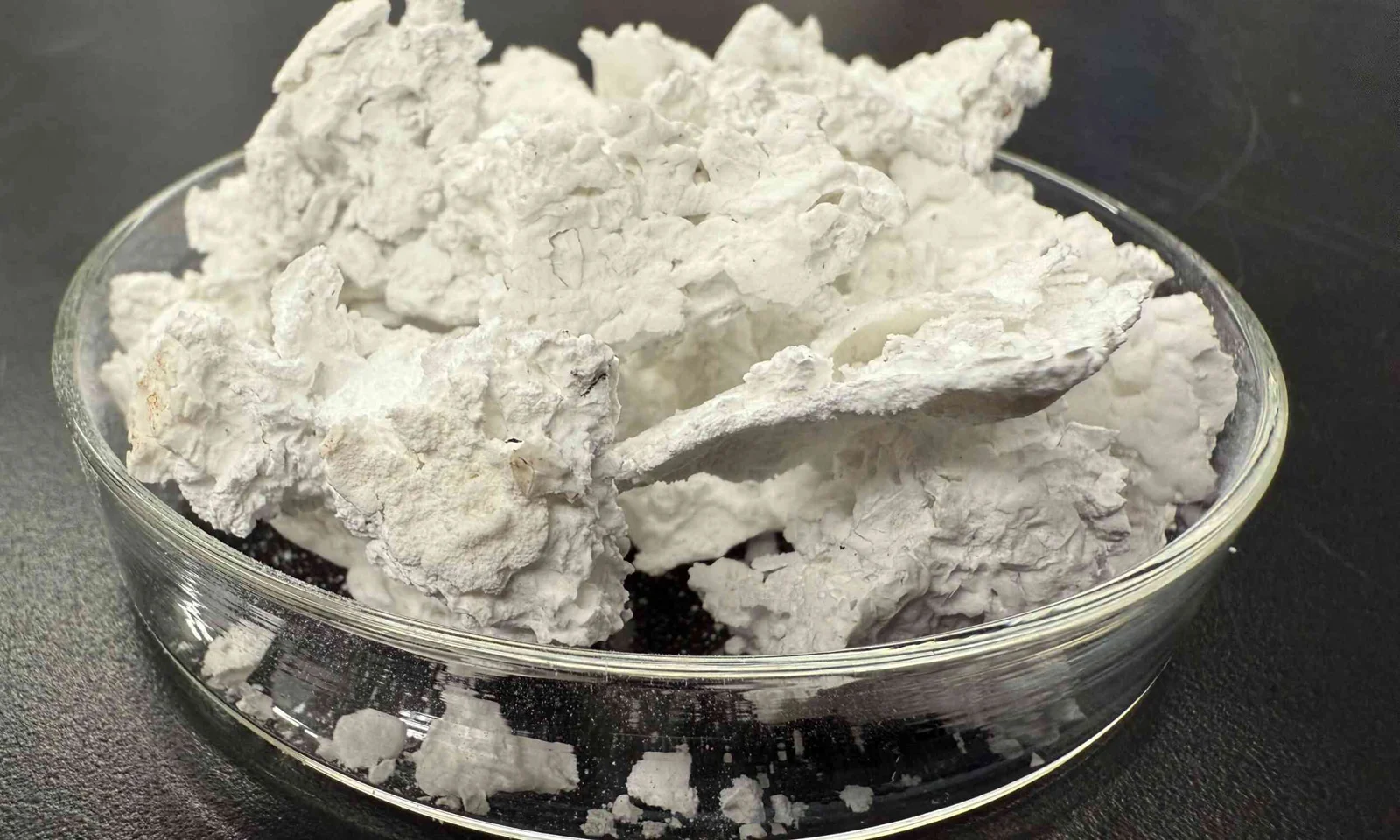
Researchers show that seawater and carbon dioxide can be converted in a tabletop reactor into solid minerals (calcium carbonate and a magnesium-rich solid) that can form powders or grains, potentially replacing mined sand in concrete and, in some mixes, store more CO2 than the process emits (carbon-negative). If powered by clean energy and scaled up, near‑shore modular reactors could sequester CO2 at the source and reduce cement's climate impact, though durability and wear tests at larger scales are still needed.