Tag

Cgrp

All articles tagged with #cgrp

US Guidelines Broaden Migraine Prevention to More Patients
health1 month ago

US Guidelines Broaden Migraine Prevention to More Patients

US neurologists have updated the 2012 AAN/AHS migraine guidelines, recommending preventive treatment for patients with four or more moderate-to-severe headaches per month or substantial migraine-related disability. The update endorses newer CGRP-targeting drugs (atogepant, erenumab, fremanezumab, galcanezumab, eptinezumab) as first-line options and adds Botox for chronic migraine, while recognizing additional options like propranolol, topiramate, valproate, and amitriptyline in specific cases. Because responses vary and side effects occur, multiple treatments may be tried. The guidelines are non-binding but intended as a resource to improve access to effective prevention; after about six months of preventive therapy, clinicians should discuss tapering and potential rebound risks.


New Migraine Prevention Guidelines Highlight CGRP Therapies and Personalization
health1 month ago

New Migraine Prevention Guidelines Highlight CGRP Therapies and Personalization

The American Academy of Neurology and the American Headache Society released updated migraine prevention guidelines that incorporate CGRP-targeted therapies and emphasize individualized treatment decisions based on efficacy, tolerability, long-term safety, and cost for episodic and chronic migraine. The guideline expands recommendations to more patients (those with frequent migraine days) and outlines preferred options (atogepant, CGRP monoclonal antibodies, and onabotulinumtoxinA, alongside older meds like propranolol, topiramate, and valproate). It also provides guidance on trial duration (8–12 weeks for most meds, 24 weeks for onabotulinumtoxinA), pregnancy considerations, comorbidities, medication overuse, and nonpharmacologic approaches to optimize care.

Migraine breakthrough: CGRP, brain signals, and smarter relief
life-and-style2 months ago

Migraine breakthrough: CGRP, brain signals, and smarter relief

Migraines are now understood as a primary neurological disorder driven by trigeminovascular activation and CGRP release, unfolding through four phases—prodrome, aura, migraine attack, and postdrome. Advances in CGRP-targeted therapies (gepants and monoclonal antibodies) have transformed care, though cost and access remain barriers. Lifestyle factors like sleep, dehydration, and stress influence susceptibility, and myth about foods causing migraines has been debunked.

Migraine Unpacked: The Four Stages That Signal an Attack
health7 months ago

Migraine Unpacked: The Four Stages That Signal an Attack

Migraine is a neurological condition with four distinct phases—premonitory (24–48 hours before), aura (visual or sensory symptoms), headache, and postdrome (the “migraine hangover”). Understanding these stages helps people recognize early signs, treat symptoms effectively (early meds in the premonitory phase, migraine-specific meds like triptans during aura/headache, and preventive therapies for frequent attacks), and avoid overlapping attacks, while seeking medical advice for persistent or complex cases or hormone-related considerations in women with aura.

Migraine mysteries unfold: genes, brain signals, and immune triggers
health8 months ago

Migraine mysteries unfold: genes, brain signals, and immune triggers

Researchers are reframing migraine as a complex brain disorder rather than a simple trigger-based headache. Genetics (30–60% heritability) and brain processes like cortical spreading depression, plus immune activity in the meninges, are increasingly linked to attacks, while many‑so‑called triggers may actually be early symptoms. The peptide CGRP rises during attacks, enabling new CGRP‑targeting therapies that help many patients, yet migraine likely involves multiple intertwined pathways and varies across individuals.

Brain's Lymphatic Blockages Linked to Migraines, Study Finds
health2 years ago

Brain's Lymphatic Blockages Linked to Migraines, Study Finds

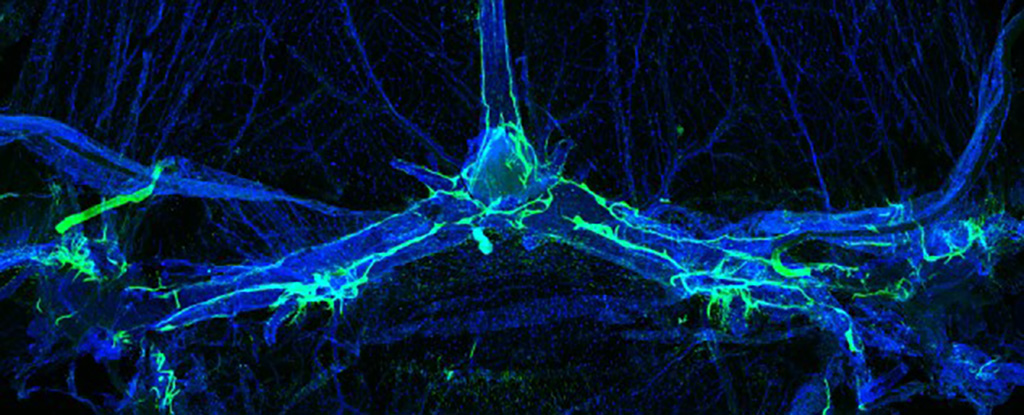
Researchers from the University of North Carolina School of Medicine have found that calcitonin gene-related peptides (CGRP) may block cerebrospinal fluid drainage in the brain, contributing to migraine pain. Their study on mice showed that CGRP prevents fluid flow in the brain's lymphatic system, causing pressure and pain. This discovery helps explain the effectiveness of CGRP-targeting migraine treatments and suggests potential sex differences in migraine prevalence due to lymphatic dysfunction.