
Inflammation reveals functional chimeric mRNAs that regulate immunity
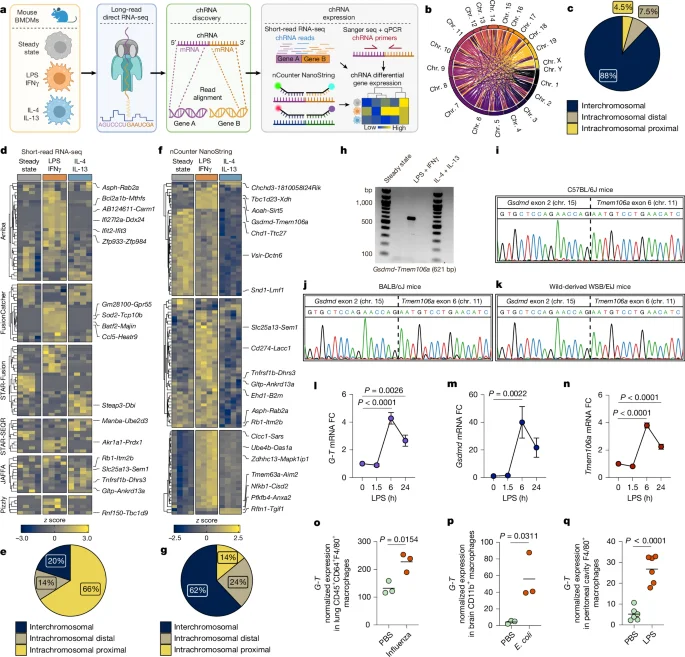
A Nature study shows that inflammation drives the production of functional chimeric RNAs formed by trans-splicing between distant genes in macrophages. The standout Gsdmd-Tmem106a transcript encodes a membrane-associated fusion protein that binds GSDMD-NT to accelerate pore formation, amplifying IL-1β release and pyroptosis to boost antibacterial defense but also worsen sepsis. In vivo, loss of GSDMD–TMEM106A reduces early cytokine release and sepsis severity, while delivering GSDMD–TMEM106A mRNA enhances bacterial clearance against Salmonella but increases septic risk. The work reveals a regulated, inflammation-responsive layer of transcript and protein diversity that expands the mammalian proteome and presents new therapeutic avenues through RNA-based interventions.