immunology143.71 min read
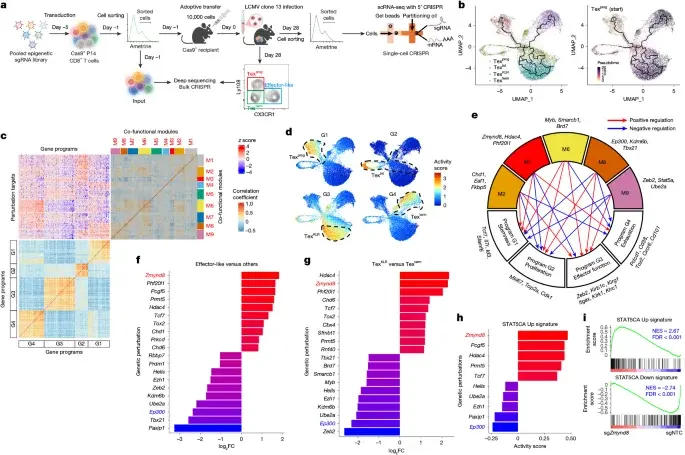
Blocking ZMYND8 Reverses T Cell Exhaustion by Restoring IL-2 Signaling
16 days ago•Source: Nature

The latest immunology stories, each synthesized from multiple sources with added background and context.
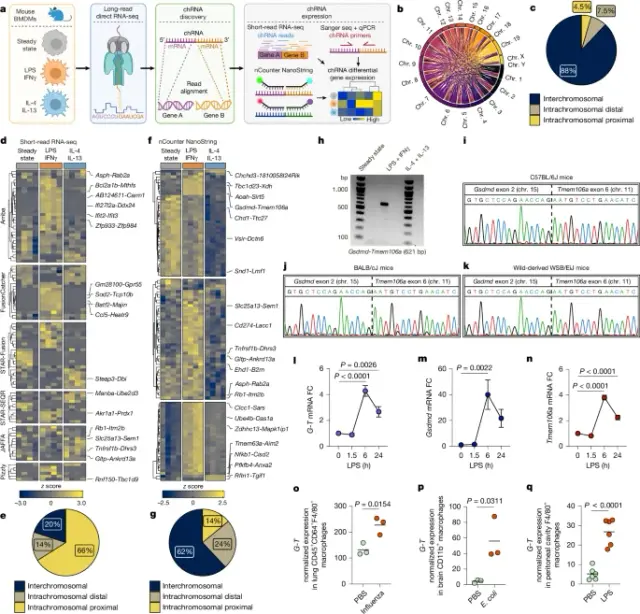
A Nature study shows that inflammation drives the production of functional chimeric RNAs formed by trans-splicing between distant genes in macrophages. The standout Gsdmd-Tmem106a transcript encodes a membrane-associated fusion protein that binds GSDMD-NT to accelerate pore formation, amplifying IL-1β release and pyroptosis to boost antibacterial defense but also worsen sepsis. In vivo, loss of GSDMD–TMEM106A reduces early cytokine release and sepsis severity, while delivering GSDMD–TMEM106A mRNA enhances bacterial clearance against Salmonella but increases septic risk. The work reveals a regulated, inflammation-responsive layer of transcript and protein diversity that expands the mammalian proteome and presents new therapeutic avenues through RNA-based interventions.
Nature•2 months ago
Nature•4 months ago
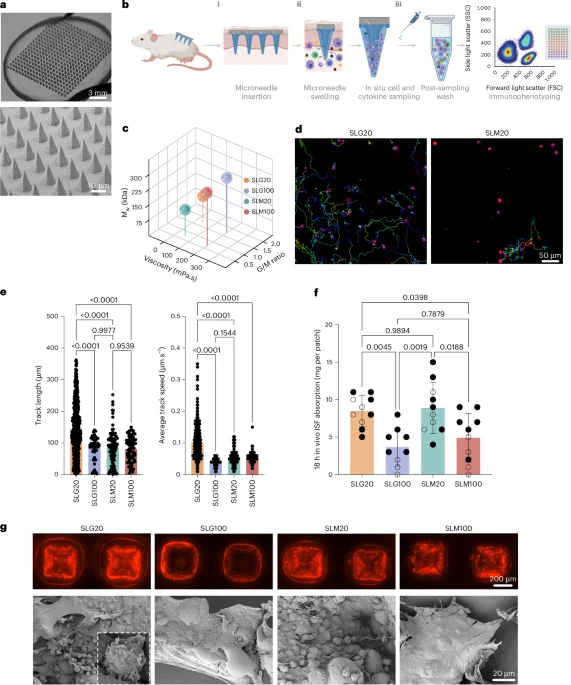
The study combines skin-resident memory T cell (TRM) recall with hydrogel-coated microneedle patches to non-invasively sample antigen-specific T cells from skin and blood. In mice, TRM priming and recall at the skin enabled sampling of thousands of live antigen-specific lymphocytes, surpassing conventional peripheral blood assessments. In a human case of allergic contact dermatitis, TRM reactivation followed by microneedle application captured diverse immune cells and cytokines from the interstitial fluid, with sampling efficiency comparable to or better than suction blisters and better suitability for longitudinal monitoring. The approach is antigen-agnostic and could enable broad, repeated immune monitoring across vaccination, infection, and autoimmune contexts, though larger cohorts and antigen-defined readouts are needed for broader clinical translation.
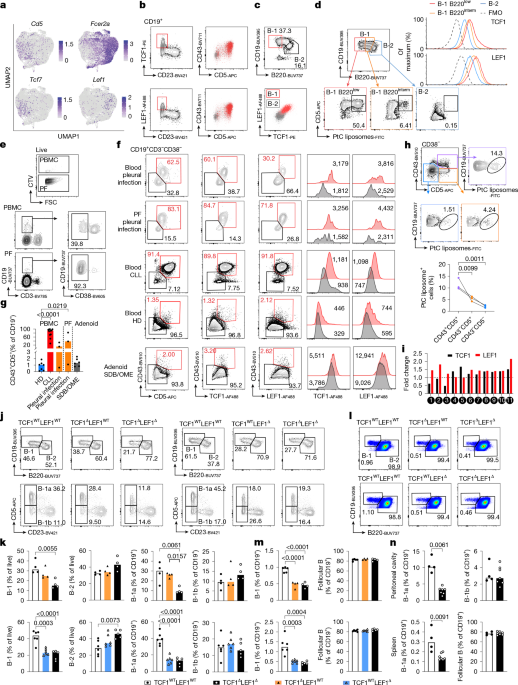
The study reveals that TCF1 and LEF1 transcription factors are crucial for the maintenance, development, and regulatory function of B-1a cells in mice and humans, promoting IL-10 production and limiting inflammation, with implications for immune regulation and autoimmune diseases.