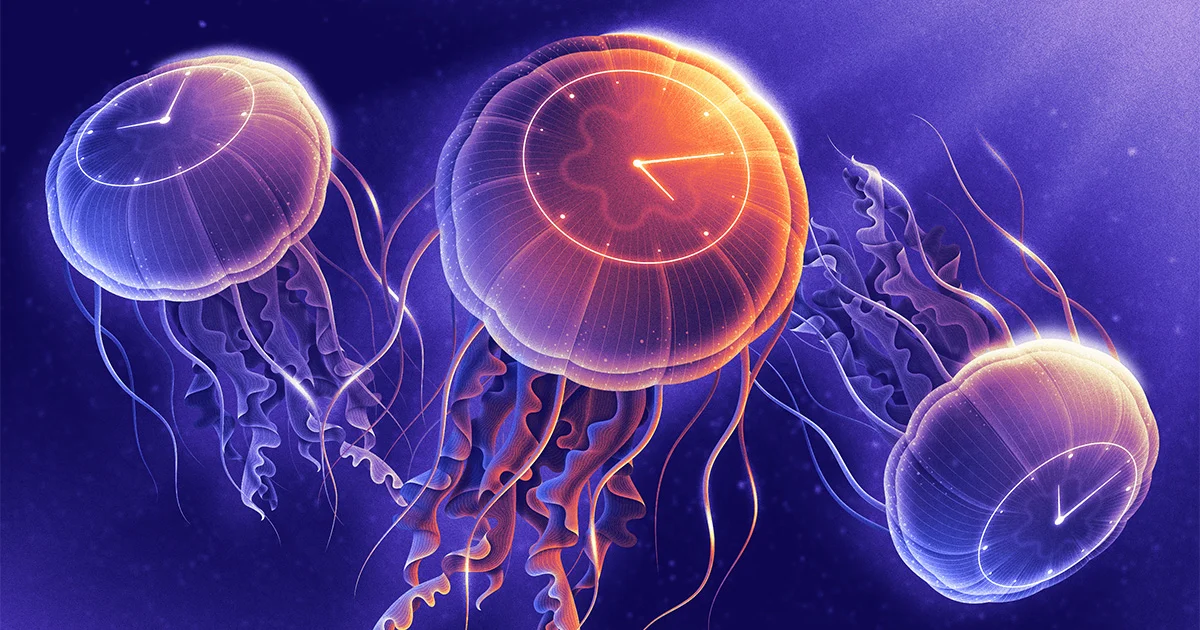
Mind After Midnight: The Brain Changes at Night, Elevating Cravings and Risk
Researchers describe the Mind After Midnight hypothesis, arguing the brain doesn't just sleep at night but reconfigures after midnight—heightening attention to negative cues, increasing cravings, and reducing self-control, especially with sleep loss. This nocturnal brain state is linked to higher suicide risk and more risky behaviors, though evidence is limited and more work is needed to understand how circadian timing affects reward processing and health.