
Rare Outer-Solar-System Meteorite Linked to Dinosaur Extinction
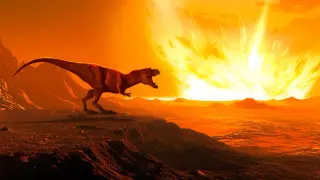
A new Science Advances study identifies the asteroid that wiped out the dinosaurs as a rare CO carbonaceous chondrite from the outer Solar System. By comparing nickel isotopes in Cretaceous-Paleogene boundary rocks from Denmark, Spain, and Italy with meteorite samples, researchers pin down CO as the likely impactor, a tiny fraction of carbonaceous chondrites. The result suggests sulfur from the rock wasn't the main culprit; instead, the vast debris cloud blocking sunlight caused the mass die-off, with Jupiter occasionally letting such rocks slip through.