Cyprus President Nikos Christodoulides urged EU leaders to develop a concrete playbook for aiding any member state under attack, pressing to give substance to Article 42.7 of the EU treaties as the bloc prepares for upcoming talks and a major EU-Middle East summit.
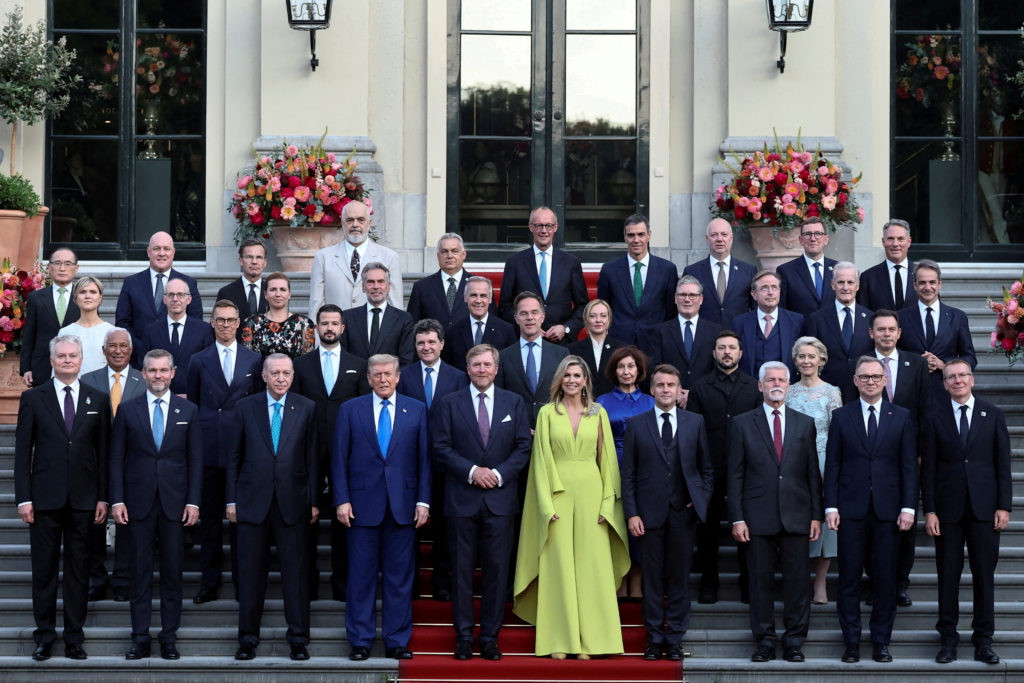
NATO leaders agreed to significantly increase defense spending, aiming for 5% of GDP by 2035, and reaffirmed their commitment to collective defense, amid ongoing security threats from Russia and geopolitical tensions, with some countries expressing reservations about the targets.
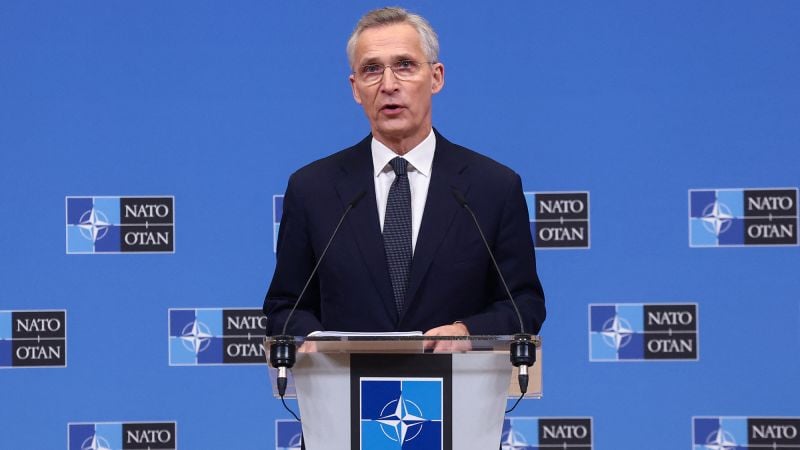
NATO Secretary-General Jens Stoltenberg announced that a record 18 of the organization's 31 members are expected to meet the 2% GDP defense spending threshold this year, marking a significant increase from 2014. Stoltenberg criticized former US President Donald Trump's recent comments undermining collective defense, stating that such remarks put soldiers at risk. He also acknowledged the need for fair burden sharing and highlighted Germany's plan to meet the 2% target for the first time since the early 1990s, with NATO's European allies collectively expected to reach the threshold for the first time this year.
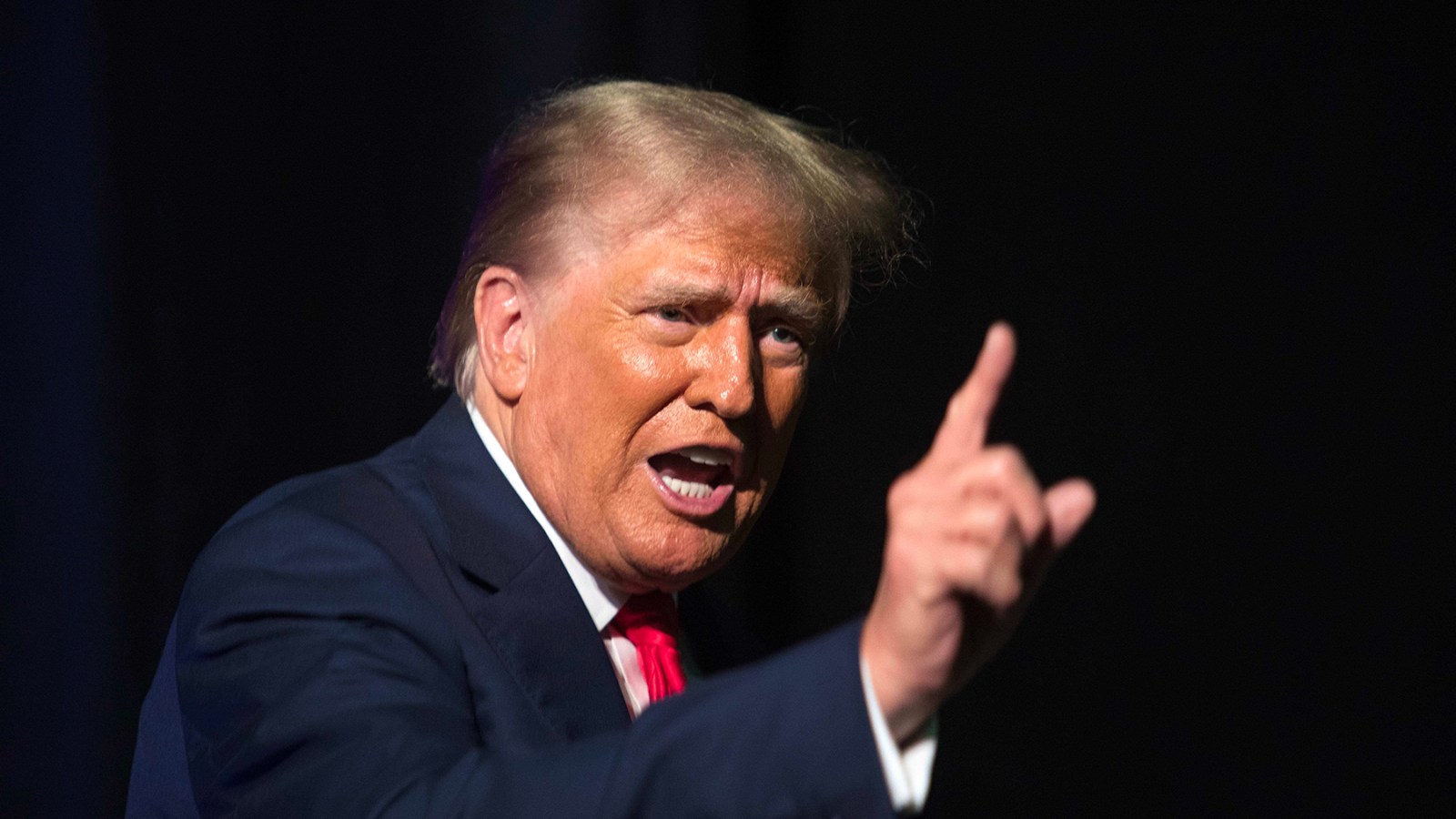
Former President Donald Trump is reportedly plotting to pull the United States out of NATO if his demands are not met by the alliance. Trump has expressed his desire for non-American members to significantly increase their defense spending and for a reevaluation of the principle that an attack on one member is an attack on all. He has also discussed the idea of putting the US in a "standby" position within NATO. While Trump's threats to leave NATO were previously met with pushback from his administration, nationalist allies and pro-Trump policy wonks are now offering frameworks to support his NATO-skeptic policy goals. However, any action on Trump's part would depend on him winning reelection in 2024.