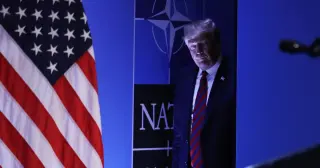
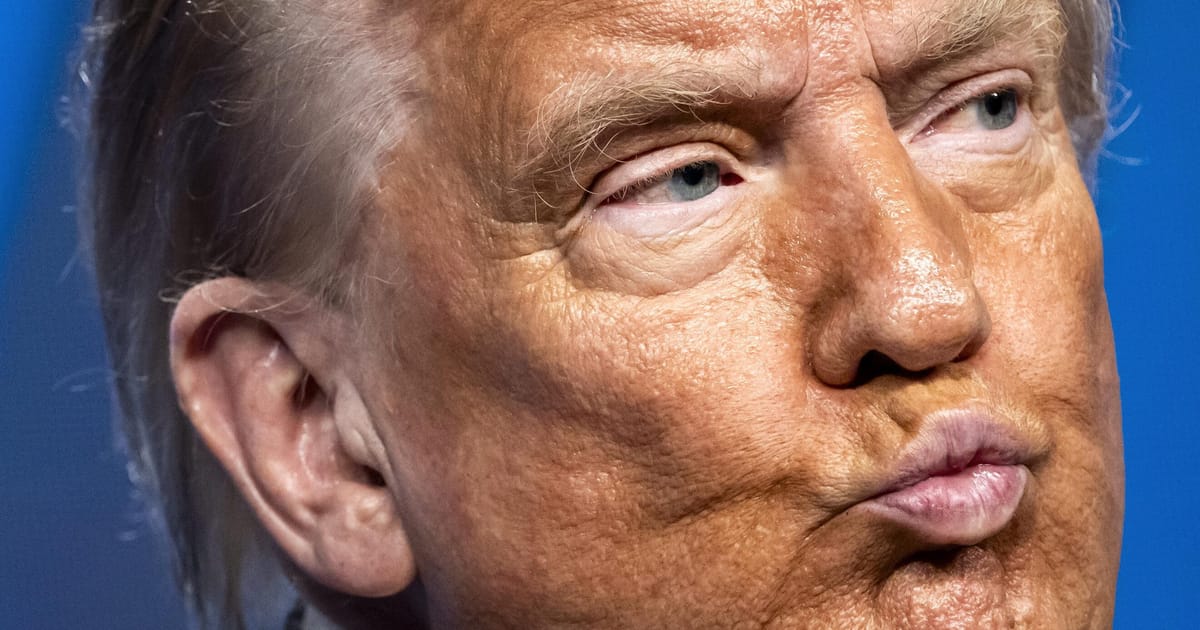
President Trump arrives in Turkey for a NATO summit with doubts about the U.S.-led alliance, citing anger at European allies over Iran-related tensions and defense spending, raising fears the 77-year-old coalition could fracture; he also pressed discussions with Erdoğan on Ukraine-Russia issues and possible F-35 sales.
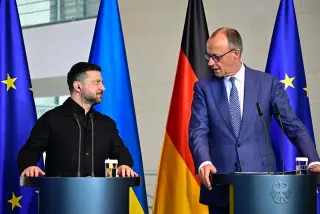
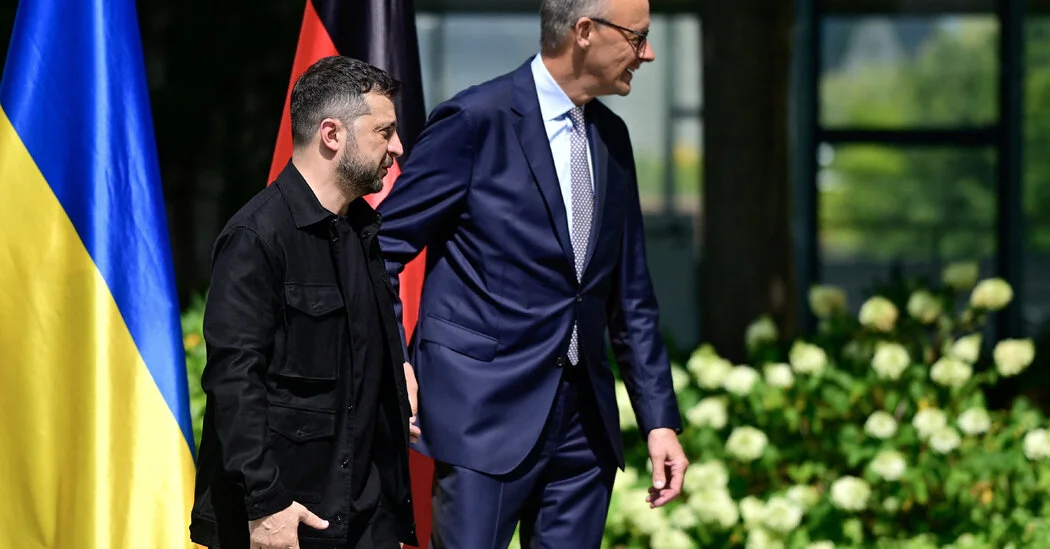
Germany and Ukraine elevated their ties to a strategic partnership during Zelensky’s Berlin visit, signing a defense cooperation agreement that broadens military collaboration in air defense, long-range weapons, drones, and ammunition, plus a defense ministries data‑exchange memo. The pact includes joint drone production and comes with 10 cooperation agreements, reflecting Kyiv’s broader push to deepen international defense partnerships and bolster its growing arms sector, with Germany remaining a major backer.
Denmark reportedly prepared to blow up Greenland airstrips in Nuuk and Kangerlussuaq to deny access to potential US forces in a worst-case scenario, as European allies rushed troops and resources (including armed F-35s and blood supplies) to the Arctic; the episode followed heightened US pressure to seize Greenland and a political turning point after a US operation in Venezuela, with PM Mette Frederiksen later saying Europe is Denmark’s closer ally and calling a snap election for March 24.
Amid escalating tensions with Iran, NATO allies largely refuse to join a potential mission to secure the Strait of Hormuz, prompting President Trump to warn that the alliance could pay a price for not sharing the burden. The Strait, which handles about 20% of global oil, has become a flashpoint as European powers signal limited or no direct involvement, underscoring strains in NATO unity and burden-sharing. While the U.S. contemplates naval escorts under Operation Epic Fury and some allies offer limited support (UK/France with caveats, Germany against), others like Estonia and Ukraine offer non-combat assistance. The development risks higher oil prices and signals a possible recalibration of transatlantic security cooperation.
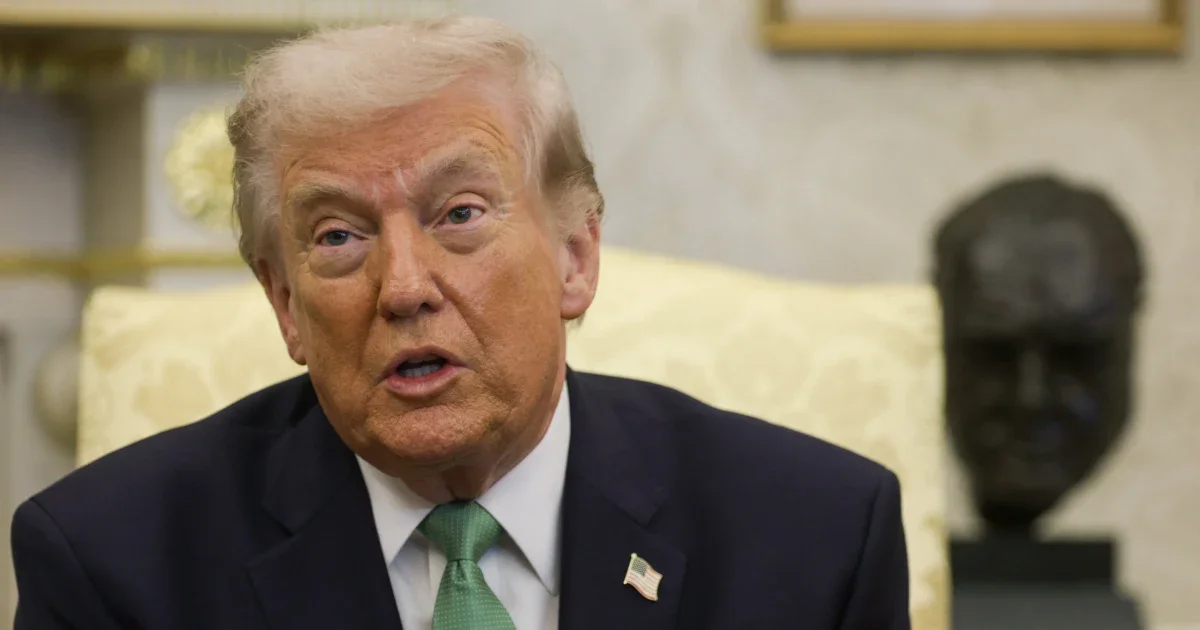
President Trump reversed his push for a multinational coalition to guard the Strait of Hormuz, saying the U.S. doesn’t need help and will pursue its actions with or without NATO, as European leaders signaled reluctance and the Iran conflict tests America-first diplomacy.
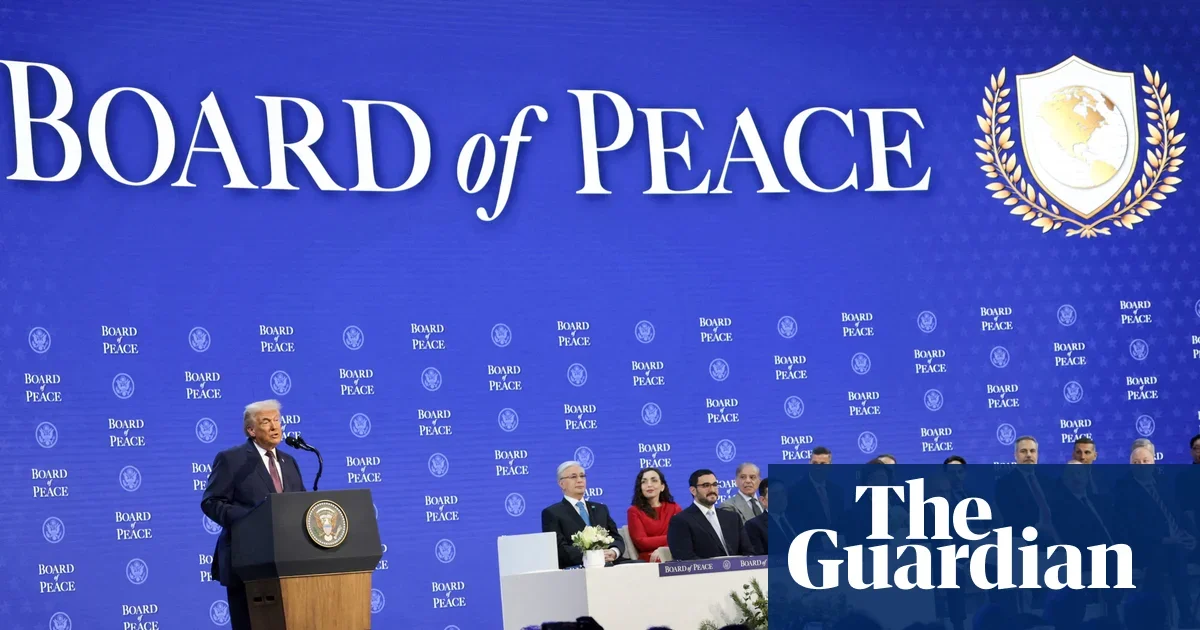
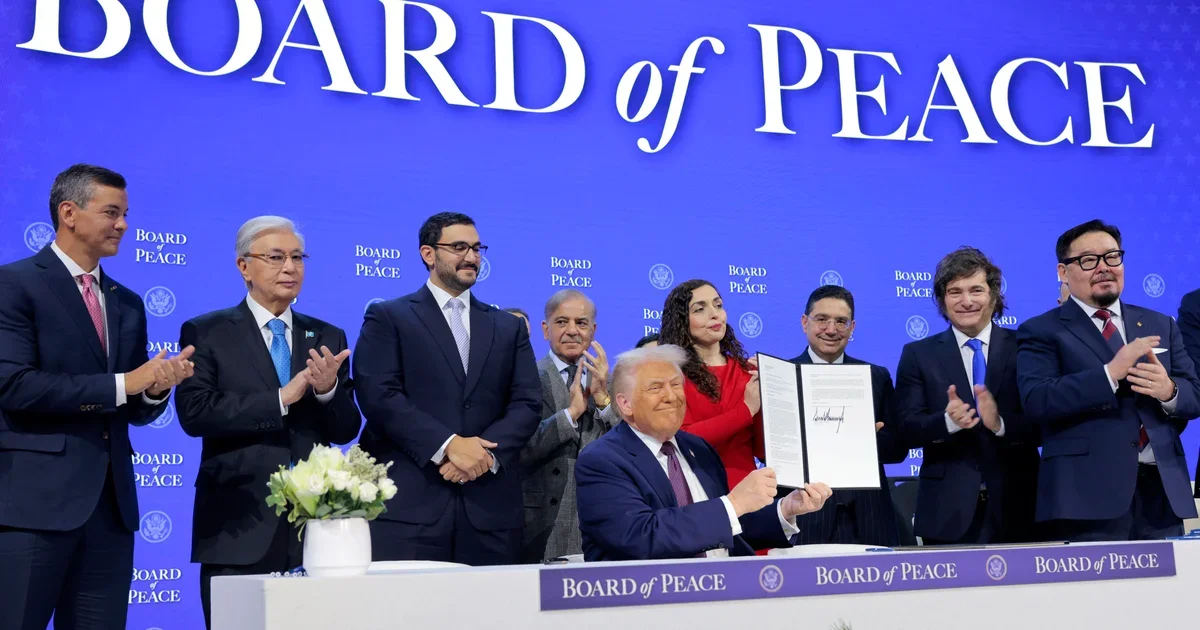
European allies and the Vatican declined to join Trump’s inaugural Board of Peace meeting in Washington, making it appear more like a fundraising forum for Gaza reconstruction, as Trump touts billions pledged while critics question the board’s mandate, governance, and likely impact on the Israel–Gaza conflict amid ongoing humanitarian concerns.
At Davos, President Trump and partners sign the founding charter of the Board of Peace and say it will work alongside the United Nations to oversee Gaza and potentially broader aims, but several European nations have reservations or declined to sign, signaling a cautious start and raising questions about the board’s scope and its relation to the UN.
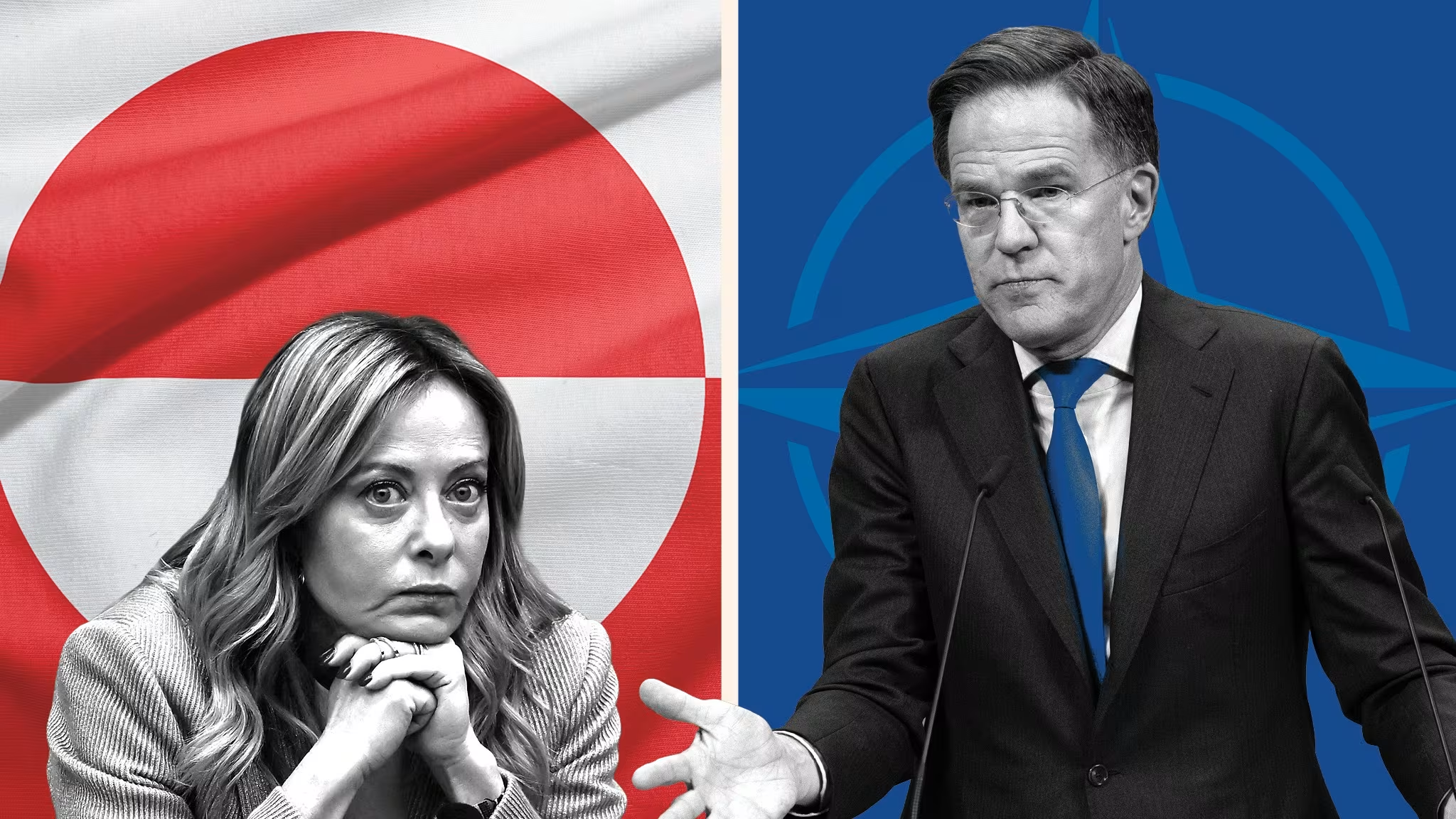
NATO has remained silent on Donald Trump's threats regarding Greenland, causing concern among European allies about the potential geopolitical implications.
The US envoy to NATO anticipates significant pledges from European allies for Ukraine's weapon purchases through the PURL program to counter Russian air strikes, amid declining military aid and political challenges among European nations, with upcoming NATO meetings and a Zelenskiy-Trump discussion on defense.
The US is indicating a limited role in Ukraine's security, with European countries expected to take the lead on the ground, and US support being uncertain and less committed, reflecting a complex and cautious approach to the Ukraine conflict.
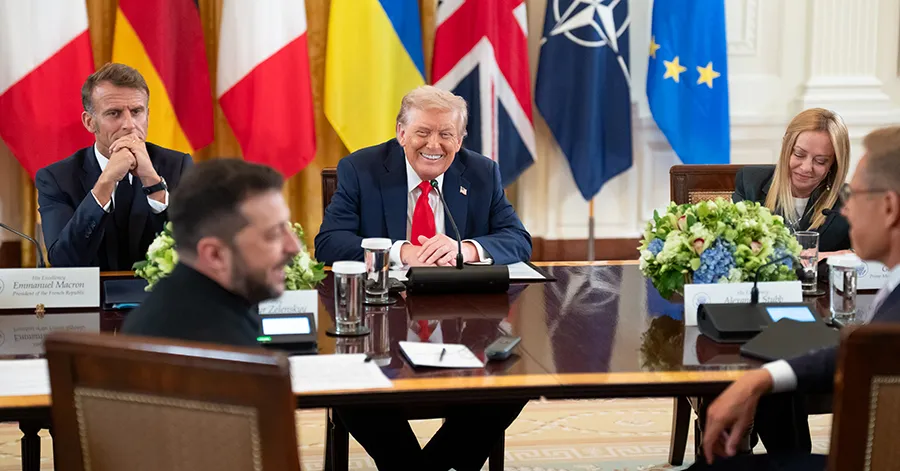
President Trump’s peace summit at the White House, bringing together Ukrainian President Zelenskyy and European leaders, is widely praised as a significant step toward ending the war in Ukraine, with many experts and officials emphasizing his leadership and the potential for a peace deal.
President Zelensky of Ukraine briefed Trump and European leaders on Ukraine's situation and demands a cease-fire with security guarantees before negotiations. Meanwhile, Trump is preparing for a high-stakes meeting with Putin in Alaska to discuss ending the Ukraine war, amid European efforts to influence the outcome and prevent a peace deal that favors Russia. Additionally, Vice President Vance is on a UK trip engaging with right-wing figures and discussing issues like free speech and immigration, reflecting broader political dynamics.
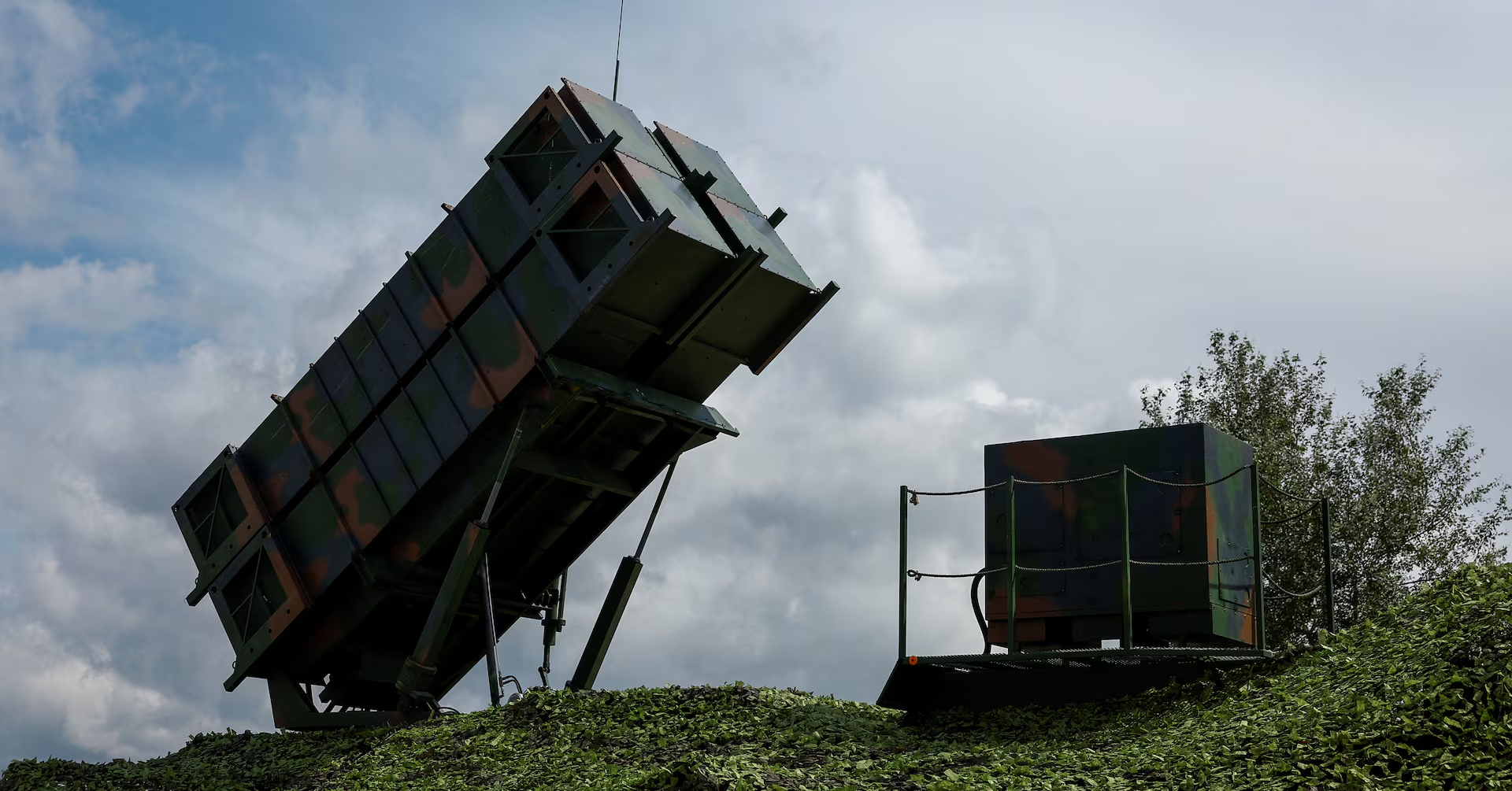
President Trump proposed a scheme for European allies to donate Patriot missile systems to Ukraine, with the U.S. potentially providing replacements, aiming to bolster Ukraine's defenses amid ongoing conflict, though details and commitments remain uncertain and under negotiation.
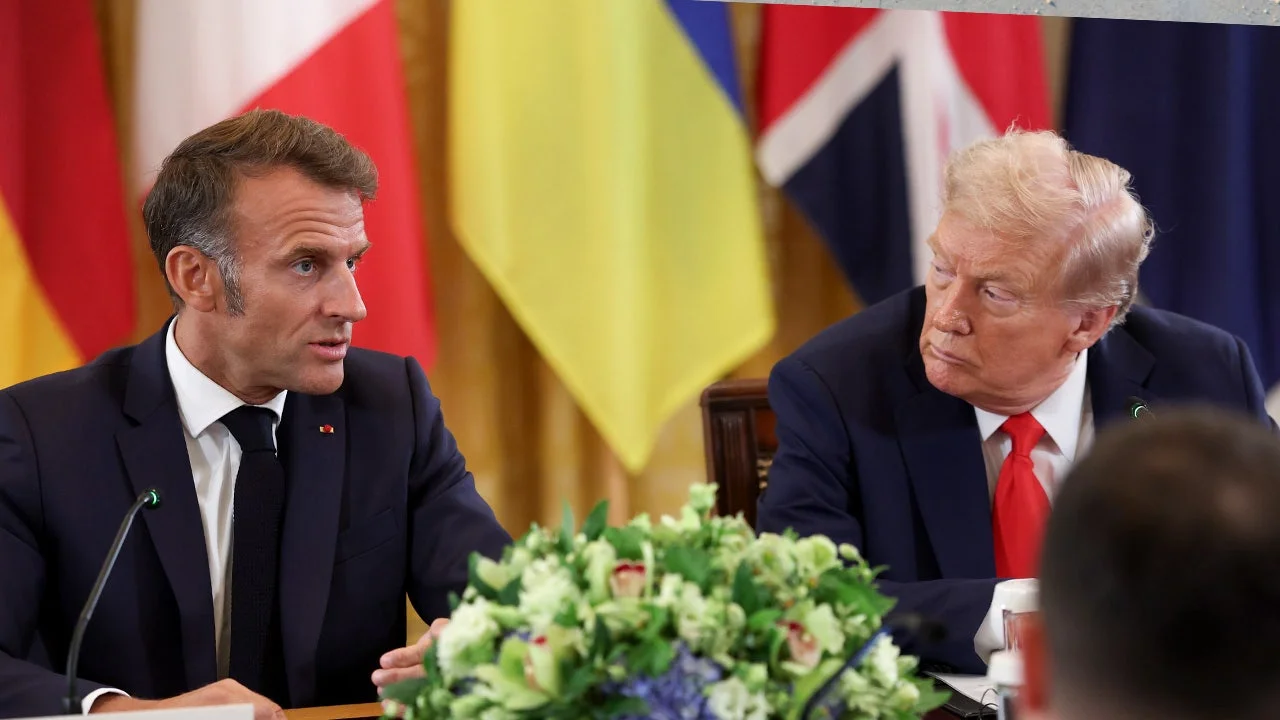
European allies, including the U.S., agreed to establish a headquarters in Paris for a multinational force to support Ukraine's recovery and security after a ceasefire, emphasizing Western unity and deterrence without committing U.S. troops on the ground.
European officials successfully improved relations with Trump at the NATO summit by using flattery and a streamlined agenda, leading to more positive rhetoric from Trump about NATO and increased support for Ukraine, despite underlying tensions over defense spending and trade issues.