Taiwan's National Security Bureau announced a secure webpage for Chinese nationals to share intelligence-related information, citing domestic discontent and noting this follows practices used by the U.S., U.K. and Israel, as Beijing-Taiwan tensions intensify and regional security actions continue.
Xi Jinping’s June 8–9 trip to Pyongyang signals tacit Chinese acceptance of North Korea’s nuclear status and a push for closer PRC–NK coordination, a move that could embolden Kim Jong Un in seeking concessions from the US and South Korea while signaling a shift away from denuclearization rhetoric. Separately, Taiwan’s KMT leader Cheng Li-wun completed a U.S. visit (June 12) to advocate cross-strait engagement, underscoring Beijing’s layered diplomacy. In the maritime domain, China conducted a June 6–10 law-enforcement operation east of Taiwan to assert EEZ rights and practice A2AD-style control, coordinating with coast guard and civilian vessels around Pratas and Itu Aba and signaling potential moves toward a more permanent presence in the South China Sea (including a manned structure near Scarborough Shoal). Dutch frigate De Ruyter’s Taiwan Strait transit, tracked by China and reportedly jammed, highlighted ongoing freedom-of-navigation tensions. Within the CCP, Cai Qi was named head of the Central Party School, reflecting Xi’s confidence in trusted lieutenants amid internal purges. In Oceania, New Zealand sanctioned four MPs for visiting Taiwan, risking friction in Five Eyes ties. Taiwan’s drone program remains a fiscal battleground as the DPP pushes for five-year funding while opposition parties seek to fold it into the general budget, a dynamic that maps onto broader deterrence needs highlighted by Ukraine’s drone warfare lessons.
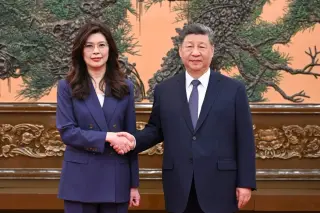
Taiwan’s opposition leader Cheng Li-wun met Xi Jinping and echoed PRC calls for cross-strait integration, while Beijing unveiled a ten-point plan to deepen ties with Taiwan’s Kinmen and Matsu islands and promote “one China” messaging. Taiwanese officials criticized her remarks and warned of security risks as the PRC pressures Taiwan with military activity and potential clandestine insertions. Separately, China’s PLAN Fujian is projected to reach some level of operational readiness in 2026, with analysts noting possible deployments beyond the first island chain. The report also covers heightened regional frictions: Japan’s defense push and Balikatan participation with the Philippines; South China Sea tensions including cyanide-dumping accusations and Scarborough Shoal barriers; Indonesian discoveries of PRC unmanned underwater vehicles; and Latin America’s Panama-Maersk port dispute illustrating Beijing’s economic leverage. Taiwan also faces ongoing espionage threats targeting lower-ranking personnel, ongoing defense-budget debates, and a wary stance toward PRC influence ahead of local elections.
Beijing said it would resume select ties with Taiwan—such as direct flights and imports of aquaculture products—and pursue a cross-strait communication mechanism with Taiwan's Kuomintang after a visit by KMT leader Cheng Li-wun; Taipei called these moves political transactions that bypass the government, while China signaled broader ambitions like a bridge to Matsu and Kinmen and continued military pressure near the island.
China said it would resume limited ties with Taiwan—such as direct flights and imports of Taiwanese aquaculture—after a visit by Kuomintang leader Cheng Li-wun and a meeting with Xi Jinping, and it proposed establishing a cross-strait communication mechanism. Taiwan condemned the moves as political transactions that bypass its government, while Beijing left implementation unclear and continued pressure on the island, including past bans and a long-discussed bridge to Matsu and Kinmen. The situation underscores simmering cross-strait tensions since Tsai Ing-wen’s 2016 election.
China says it will resume some ties with Taiwan following a visit by Kuomintang leader Cheng Li-wun to Beijing on April 10, 2026, a move signaling a cautious thaw in cross-strait relations as Xi Jinping hosted the KMT leader in the capital.
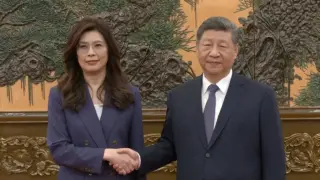
Chinese President Xi Jinping met in Beijing with Taiwan’s main opposition leader, Cheng Li-wun of the Kuomintang, signaling Beijing’s aim to influence Taiwan politics while stressing that unification is a historical inevitability; Cheng framed the talks as a pragmatic step toward a stable, gradual relationship and did not publicly challenge Beijing or raise arms-sales issues. The meeting comes as China intensifies military drills around Taiwan and Washington–Beijing tensions over arms sales linger, with no grand announcements and ahead of a possible visit by Donald Trump to China.
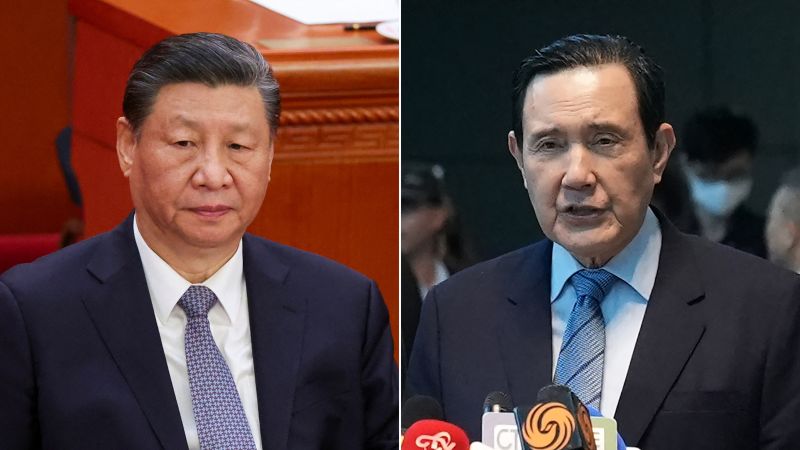
Chinese President Xi Jinping hosted Kuomintang chair Cheng Li-wun in Beijing—the first meeting between Xi and a sitting Taiwanese opposition leader in nearly a decade—where Xi urged peaceful cross-strait development and reaffirmed that Taiwan independence remains the primary threat, while Cheng framed her trip as deterrence through dialogue and called for broader exchanges ahead of Taiwan’s 2028 election; analysts say near-term risk of mainland aggression is low, though Beijing’s calculus could shift with future elections.
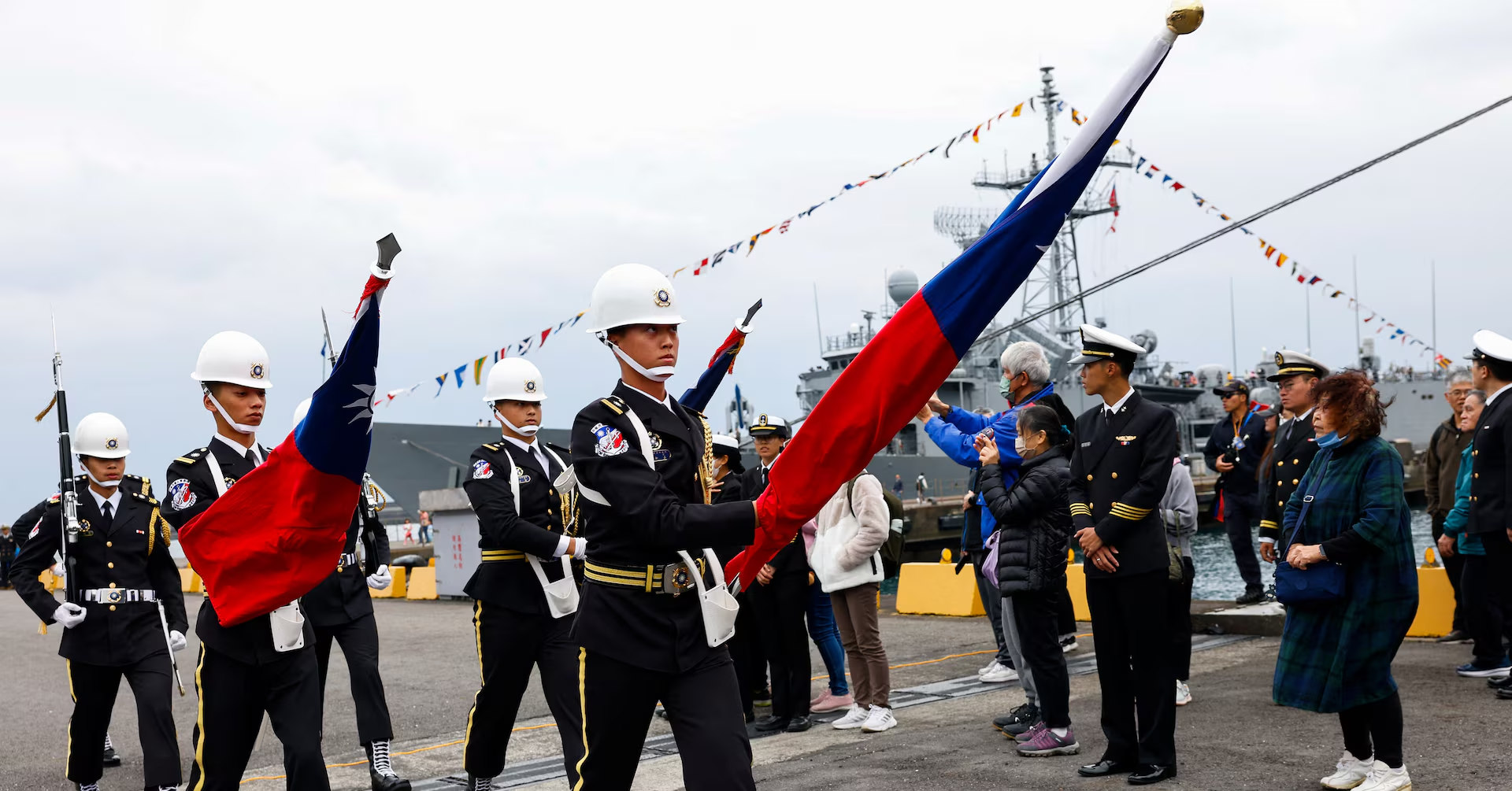
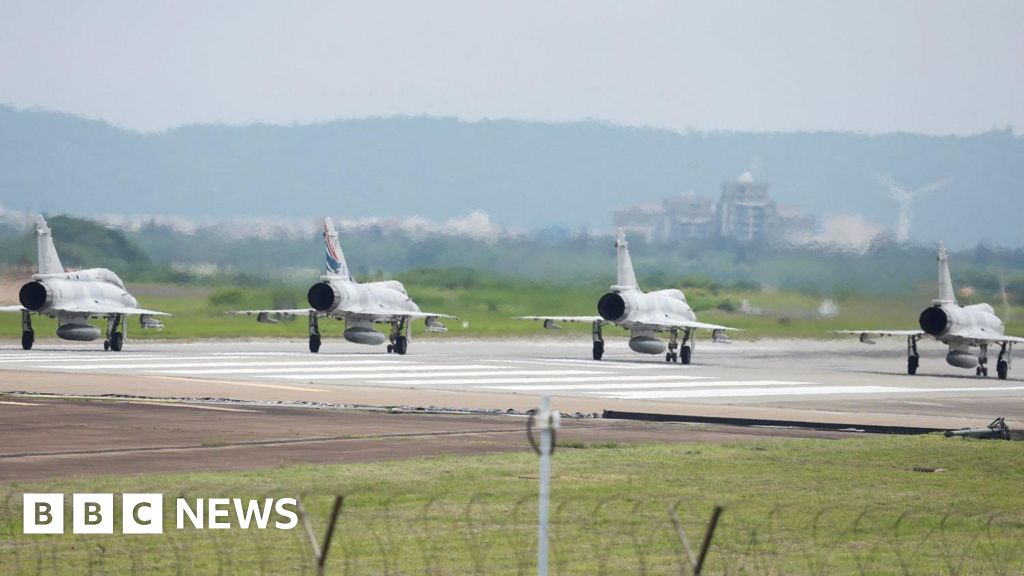
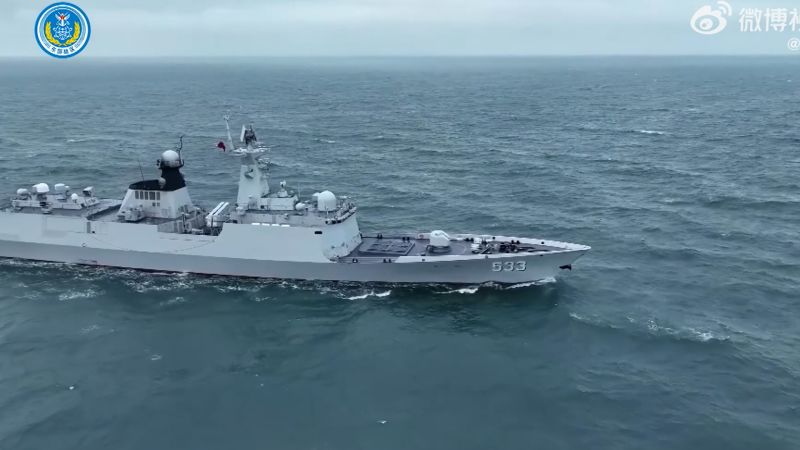
Taiwan's defense minister announced upcoming annual military exercises to prepare for potential Chinese aggression, amid increased Chinese military activity near Taiwan and Beijing's strong stance against Taiwan's sovereignty claims. China has vowed to enhance its combat readiness to counter 'separatist' activities, while Taiwan emphasizes its determination to defend its democracy and sovereignty.
China's recent military drills around Taiwan, which simulate a full-scale attack, are a response to the inauguration of Taiwan's new president, William Lai, whom Beijing views as a separatist. These exercises, the largest yet, aim to encircle Taiwan and demonstrate China's military capabilities. Despite the aggressive posturing, Beijing has not crossed the contiguous zone, indicating a level of caution. The drills have united Taiwan's political factions against China, and rather than intimidating the Taiwanese, they have bolstered support for the ruling Democratic Progressive Party.
Following Taiwanese President Lai Ching-te's inauguration speech demanding an end to China's intimidation, China initiated military drills around Taiwan, labeling them as a "punishment" for what it considers "separatist acts."
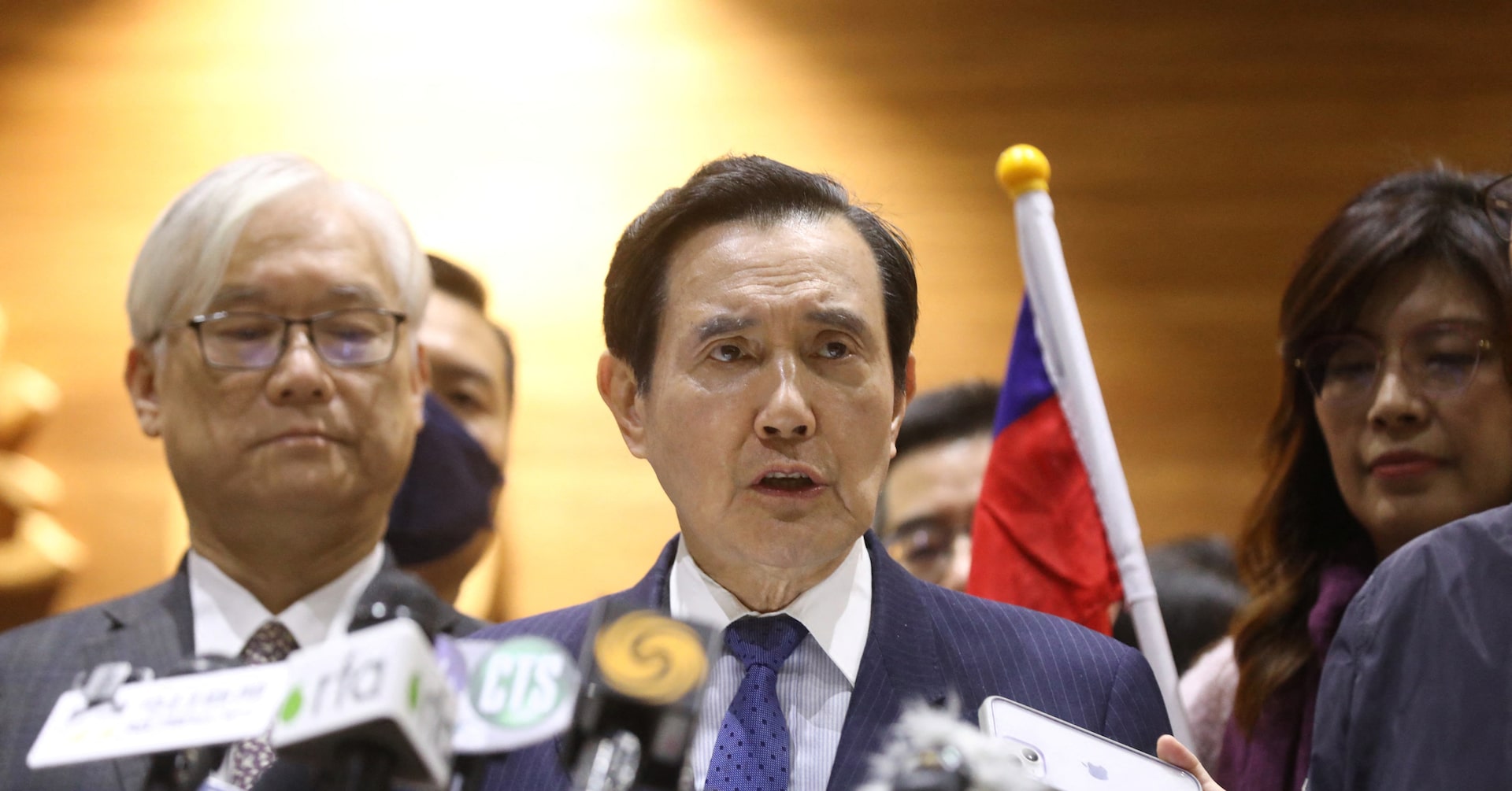
Former Taiwanese President Ma Ying-jeou believes that Taiwan and China can peacefully resolve their differences, emphasizing their shared culture and history. His recent meeting with Chinese President Xi Jinping aimed to promote understanding between the two sides, with Ma urging young Taiwanese to recognize the historical and cultural links with China. However, China considers Taiwan its own territory and has increased pressure to assert its claims, while Taiwan's government rejects Beijing's sovereignty claims and insists that only the Taiwanese people can decide their future.
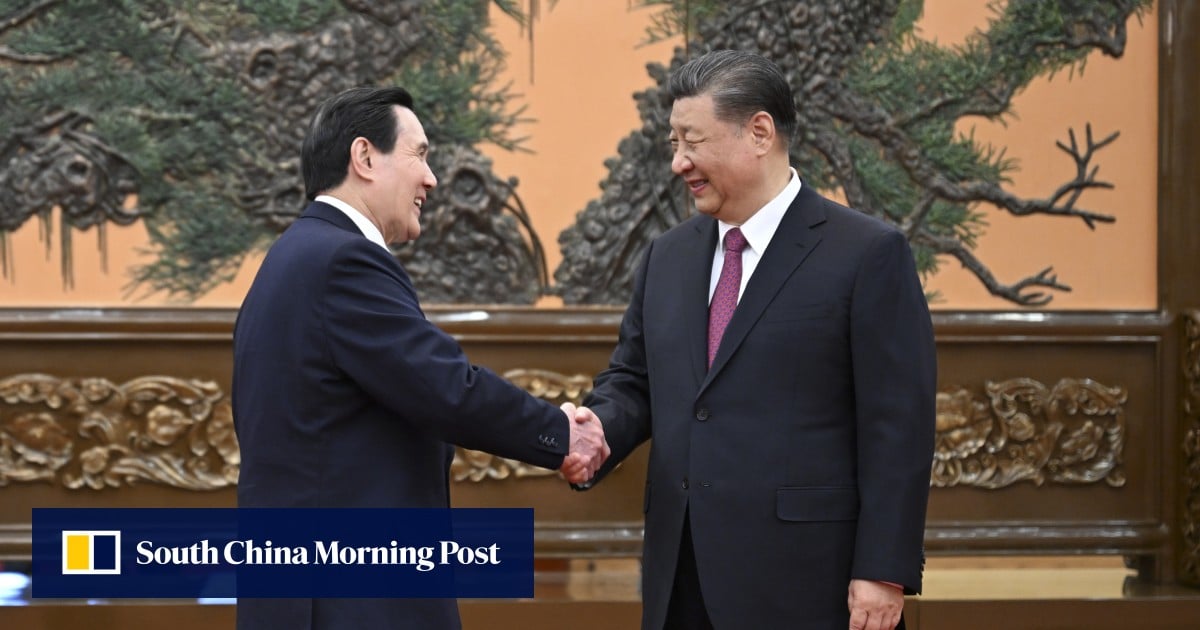
Chinese President Xi Jinping and former Taiwan President Ma Ying-jeou met in Beijing, emphasizing a desire for peaceful reunification and expressing hope for improved cross-strait relations. Xi stressed that no force could separate the two sides, while Ma called for respect for the values and ways of life of their peoples. The meeting, seen as a significant gesture from Beijing, comes amid heightened tensions and a changing political landscape in Taiwan, with the incoming president labeled as a "separatist" by Beijing.
Chinese leader Xi Jinping met with former Taiwan president Ma Ying-jeou in Beijing, marking a rare meeting that underscores the historical ties between the two sides. The carefully orchestrated meeting is seen as an attempt by Beijing to exert pressure on Taiwan's incoming administration and highlight the shared cultural roots between the two regions. However, the meeting also reflects the widening political divide across the Taiwan Strait, as Beijing's aggressive posture has driven more Taiwanese away from China. The meeting's value lies primarily in its symbolism, as it is unlikely to result in substantial changes to the status quo in cross-strait relations.
Former Taiwanese President Ma Ying-jeou has departed for an 11-day trip to China, where he is expected to meet with Chinese President Xi Jinping, marking their second meeting. This comes amid heightened tensions between the two sides. Ma's visit is seen as an effort to promote peace and friendship, with plans to visit Chinese companies during his trip. The meeting, not officially confirmed, is anticipated to take place in Beijing next Monday. The trip underscores the complex dynamics of cross-strait relations and the ongoing struggle for Taiwan's sovereignty.