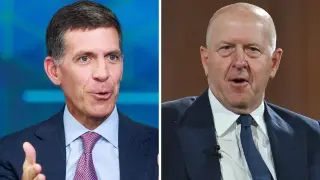
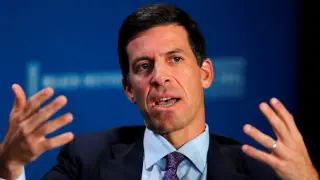
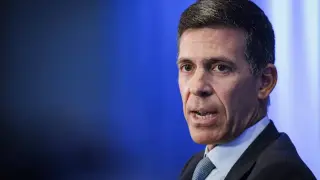
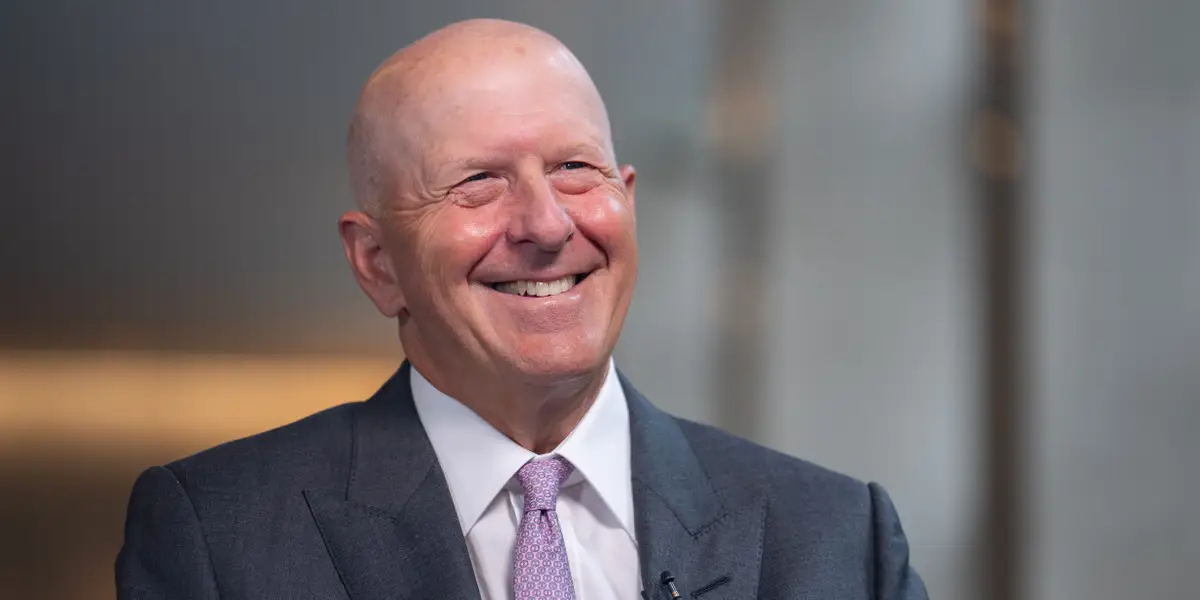
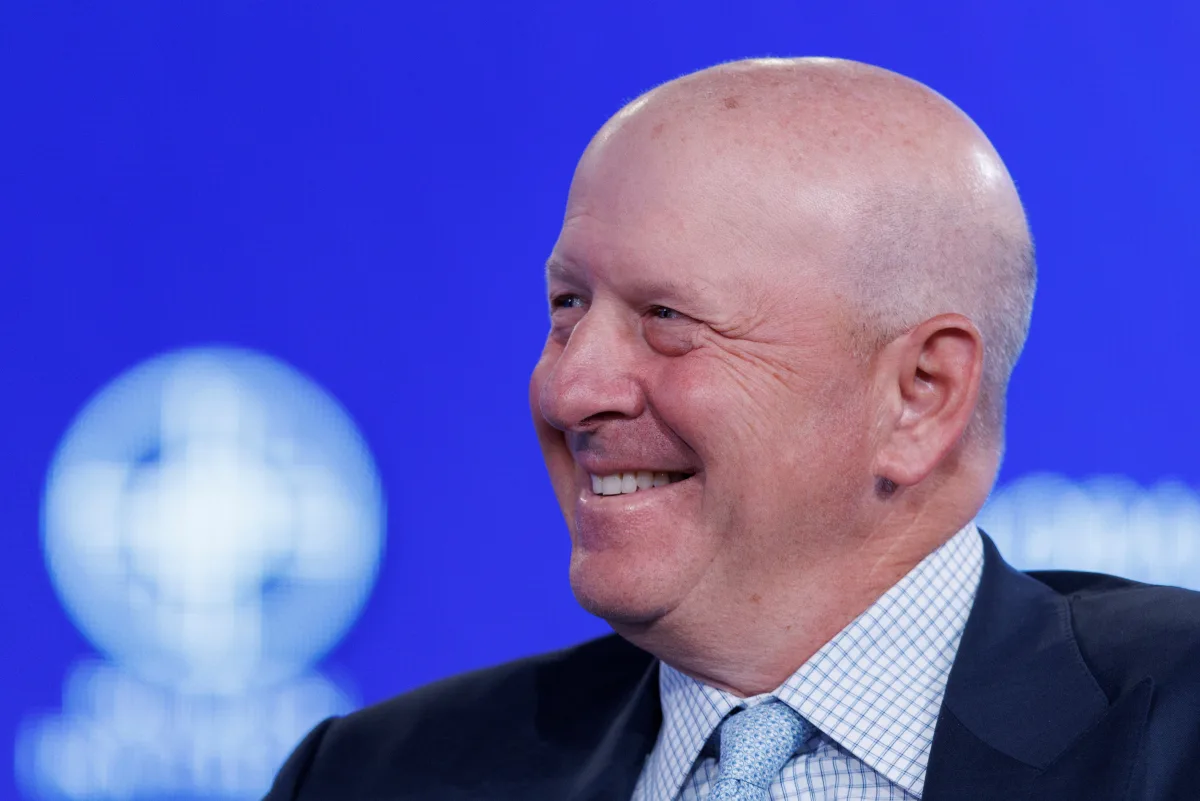
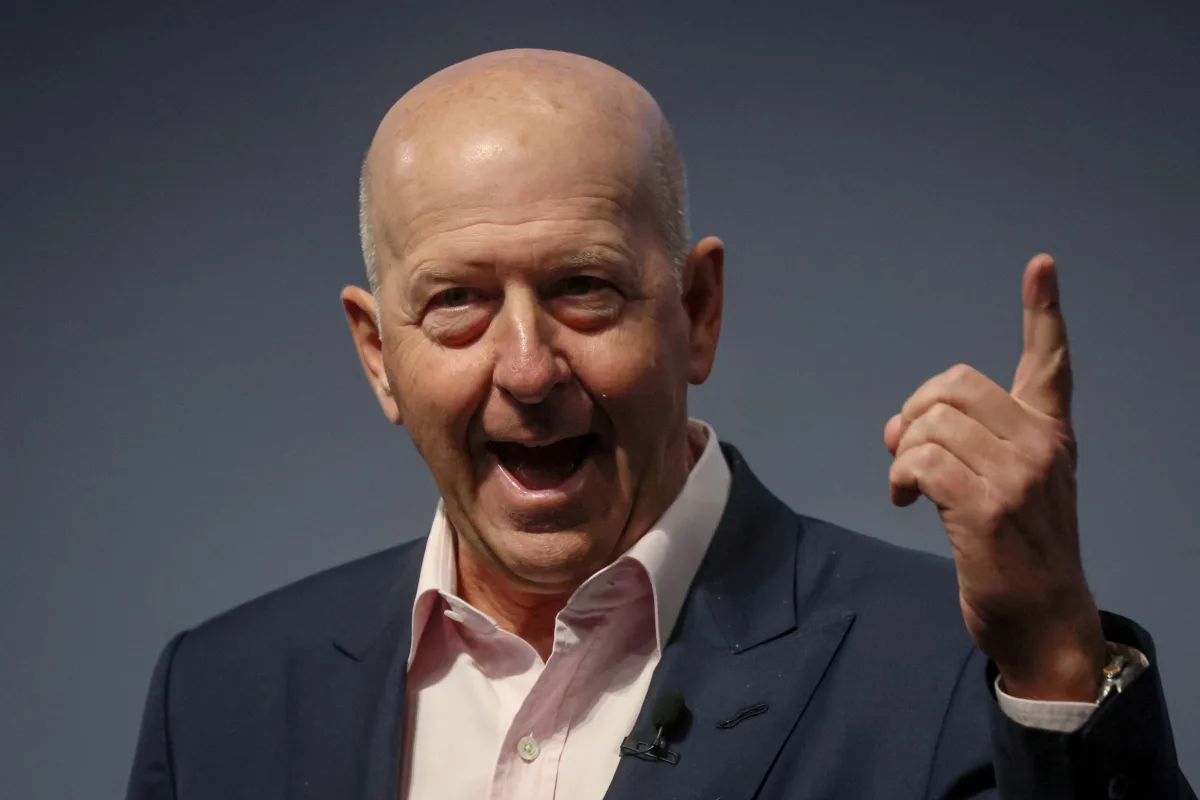
Goldman Sachs board discussions on replacing CEO David Solomon with John Waldron face a structural deadlock. While the bank is performing record-breaking, Solomon’s entrenched power and Waldron’s limited patience create a high-risk transition scenario.
Goldman Sachs has denied reports that a definitive timeline exists for CEO David Solomon to step down, with the firm’s spokesperson calling specific dates speculation. While the Wall Street Journal suggests a transition could occur by 2027 or 2028, the bank maintains that succession planning is an ongoing board process without a fixed schedule. Deputy John Waldron remains the widely recognized heir apparent, having received significant retention bonuses and a board seat, though the firm has not confirmed any immediate changes to its leadership structure.
Goldman Sachs has rejected claims that a definitive timeline exists for CEO David Solomon to step down, despite reports that his deputy John Waldron could take over as early as 2027 or 2028. While the Wall Street Journal and New York Post suggest the board is finalizing a succession plan, a Goldman spokesperson characterized specific timing assertions as speculation. Waldron, who has served as president and chief operating officer since 2018, is widely viewed as the heir apparent, bolstered by recent retention bonuses and a board seat. The potential transition would trigger a significant leadership shuffle, with finance chief Denis Coleman already absorbing some operational duties and other senior executives vying for the newly vacant president role.
Jamie Dimon and David Solomon reportedly had a friendly, constructive talk with NYC Mayor Zohran Mamdani about public-private partnerships, but the column casts the meeting as a sign of tension between big business and the left-leaning administration, noting the absence of Ken Griffin and arguing that polite engagement won’t counter Mamdani’s policies; Dimon later called Mamdani an ideologue in a Bloomberg interview, and the piece suggests that Wall Street may be voting with its feet as firms relocate jobs to friendlier jurisdictions.
Goldman Sachs CEO David Solomon says markets have been surprisingly benign so far in response to the Iran war, but it may take a couple of weeks to digest the implications as oil prices rise and U.S. yields climb, challenging the typical safe-haven dynamics.
Jeff Bezos and David Solomon express concerns about an 'industrial bubble' in AI investments, warning of a potential market correction, while acknowledging the real and transformative impact of AI technology. The market has seen significant gains this year, driven by enthusiasm for AI stocks, but experts caution about overexuberance and a possible reset.
U.S. President Donald Trump criticized Goldman Sachs CEO David Solomon on social media for predicting that tariffs would harm the U.S. economy, claiming that the bank's forecast was wrong and mocking Solomon's career choices. The dispute highlights tensions between the Trump administration and Wall Street over trade policies and economic predictions amid ongoing tariff disputes.
President Trump criticized Goldman Sachs CEO David Solomon for his economist's warnings about the impact of tariffs on consumers, suggesting Solomon should replace the economist or focus on his DJ career, amid ongoing debates about the economic effects of tariffs and government revenue.
President Trump criticized Goldman Sachs CEO David Solomon for a 'bad prediction' regarding the impact of tariffs on markets and consumer costs, following a Goldman Sachs report that highlighted the rising burden of tariffs on US consumers. Trump also mocked Solomon's hobby as a DJ and criticized major banks for allegedly debanking clients for political reasons, amidst broader tensions with Wall Street. Despite these conflicts, the financial sector may benefit from Trump's deregulation efforts.
Goldman Sachs CEO David Solomon predicts a strong year for dealmaking in 2025, potentially surpassing 10-year averages, driven by optimism around a pro-growth agenda under President-elect Donald Trump. The business community is hopeful for a more favorable regulatory environment, especially with Trump's appointments like David Sacks and Paul Atkins, who are expected to support innovation and cryptocurrency. However, Goldman Sachs remains limited in cryptocurrency trading due to regulatory constraints.
Goldman Sachs has promoted 95 executives to its partnership, marking the largest class since David Solomon became CEO in 2018. This year's class is notable for its diversity, with a record 26 women and a significant number of Hispanic executives. The promotions reflect the bank's growth in key areas like investment banking and asset management, despite Solomon's efforts to maintain exclusivity by reducing overall partnership numbers. The new partners include a mix of long-term employees and those from various divisions, highlighting the firm's commitment to its core businesses.
Goldman Sachs reported second quarter 2024 net revenues of $12.73 billion and net earnings of $3.04 billion, with diluted earnings per share of $8.62 and an annualized return on equity of 10.9%. CEO David Solomon highlighted strong growth in Global Banking & Markets and Asset & Wealth Management. A public conference call to discuss the results will be held on July 15, 2024.
Goldman Sachs reported a 150% surge in second-quarter profits from a year ago, driven by a rebound in investment banking. The bank's net income reached $3.04 billion, surpassing analyst expectations, while total revenues rose 17% to $12.73 billion. This performance provides CEO David Solomon with significant momentum after a challenging year. Goldman Sachs' stock has climbed 24% year to date and 114% since Solomon took over nearly six years ago. The bank's investment banking fees increased by 21% year over year, although they dipped 17% compared to the first quarter.
Goldman Sachs reported first quarter earnings per common share of $11.58 and annualized return on common equity of 14.8%, with net revenues of $14.21 billion and net earnings of $4.13 billion. Chairman and CEO David Solomon highlighted the firm's strong performance and interconnected franchises, emphasizing their focus on core strengths to serve clients and deliver for shareholders. A conference call to discuss the financial results and outlook will be held, with details provided for public access.
Goldman Sachs reported a 28% increase in profits in the first quarter, driven by a surge in investment banking revenues and a rise in asset and wealth management revenues. CEO David Solomon faces pressure from shareholder proposals to split the CEO and chairman roles and to limit executive pay, despite his 2023 compensation rising 24% to $31 million. The improved results come after a challenging year for Solomon, marked by a costly exit from consumer banking and high-profile departures from the firm. Key executives continue to depart, raising questions about the race to succeed Solomon, while the board of Goldman also undergoes changes.