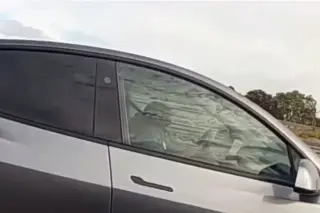
A California driver in Solano County was spotted slumped behind the wheel with Tesla's Full Self-Driving engaged at 60 mph; CHP stopped the car and issued a citation for unsafe speed, reiterating that driver-assistance tech does not replace the driver and that staying alert is mandatory, with past and similar incidents prompting ongoing warnings about napping behind the wheel.
Nio reported Q2 2026 results with an adjusted operating profit of 206.9 million yuan as material costs rose; the third-generation ES8 delivery milestone hits 150,000 this month while the ES9 is forecast to be a strong seller, with most buyers outside the Nio community. Ren Shaoqing will lead Nio's smart-driving division as he launches a physical AI startup, with Nio acting as a strategic shareholder. The company aims to keep non-GAAP SG&A as a percentage of revenue at 10-11% in Q3-Q4; fifth-generation battery swap stations offer further cost reductions amid ongoing external partnership discussions. Driver-assistance subscriptions are growing (5-year free for new car owners, 380 yuan/month for used cars) and are expected to become a long-term revenue stream. Q2 per-vehicle costs rose about 14,000 yuan, with material-cost pressures expected to continue in H2; margins are targeted to stay roughly in line with Q2. Onvo and Firefly updates include a new product next year and continued editions, with Onvo's average price above 240,000 yuan. Brand awareness remains a challenge, but Nio notes EVs are now mainstream in China.
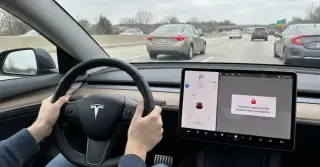
49ers coach Kyle Shanahan revealed he crashed his Tesla Model S on Autopilot after reaching for a dropped iPhone, injuring himself and a nearby driver but not severely; he accepted responsibility and stressed that you can’t take your eyes off the road, even with Autopilot. The incident underscores the risk of Level 2 driver-assistance systems, which require a ready human driver at all times, a point echoed by safety discussions and related Tesla data on crashes.
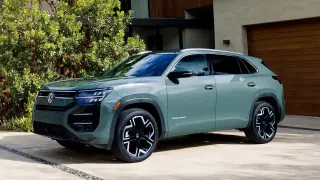
Volkswagen unveils the second‑gen 2027 Atlas Cross Sport, featuring a sharper exterior, a 282‑hp turbo 2.0L engine, and a premium interior with massage seats on higher trims, plus larger infotainment screens (12.9–15 inches), enhanced driver assists, Qi2 charging, and a new in‑vehicle Premium subscription via myVW+. Standard front‑drive with 4Motion AWD option and 5,000‑lb towing stay in place, with production in Chattanooga and pricing to be announced ahead of an early‑2027 launch.
Qualcomm's executive VP predicts a rapid increase in robotics and AI integration, starting with cars, as the company expands its AI capabilities and partnerships, aiming for widespread adoption of autonomous and driver-assisted technologies within the next five years.
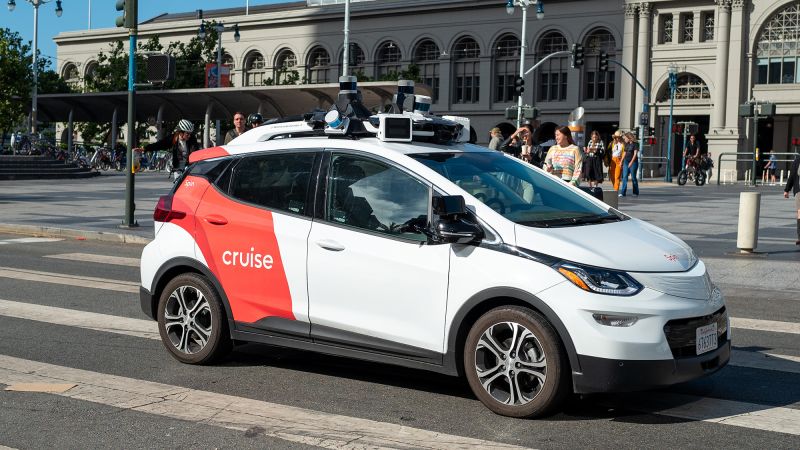
General Motors is halting its robotaxi development, led by its subsidiary Cruise, to focus on driver-assistance technologies, citing high costs and competition in the robotaxi market. This shift will save GM $1 billion annually and redirect resources to enhance features like Super Cruise. The decision follows a recent incident involving a Cruise vehicle in San Francisco, leading to a nationwide suspension of its services. GM remains committed to autonomous driving but will prioritize technologies that assist rather than replace human drivers.
The Insurance Institute for Highway Safety (IIHS) tested 14 partial automated systems and found that only one, Lexus’ Teammate with Advanced Drive, passed their evaluation. The majority were rated poor, with two being marginal. The systems were found to be easily tricked and bad at monitoring driver attention, with some even working when the driver wasn’t wearing a seatbelt. IIHS noted that all vehicles did well in at least one category, suggesting that fixes may be readily available through software updates.
Tesla has won a lawsuit that blamed its Autopilot for a 2019 crash. The California state court jury found the driver assistance software was not to blame for the Model S crash. The driver sued Tesla in 2020, seeking more than $3 million in damages, alleging defects in the software and the design of Tesla’s airbags. The jury awarded the driver no damages and said the automaker did not intentionally fail to disclose facts about Autopilot. The result is expected to inform how lawyers tackle future incidents involving the technology.
Tesla has won a lawsuit that blamed its Autopilot driver assist software for a 2019 crash. The jurors found that the software wasn't at fault, and the plaintiff was awarded no damages. The trial is believed to be the first regarding Autopilot and could prove to be an important case if Tesla faces future lawsuits over the technology. Despite scrutiny, Tesla has continued to push forward on its development of driver assistance technologies, making the Full Self-Driving beta available to anyone in the US who has purchased the feature in November.