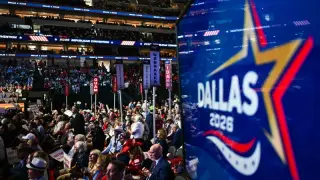
CNN fact-checks Trump’s Republican midterm convention remarks, finding broad misstatements and exaggerations across investment totals, migrant numbers, border claims, crime figures, and prices, while noting some quotes were taken out of context and MFN drug-price deals cover only limited cases.
Walmart’s stock dropped about 7% after the retailer reported 2.6% year-over-year U.S. comparable sales growth (excluding fuel) in the quarter, its weakest in years, as pharmacy pressure from changes to Medicare drug-price regulations weighed on results. Revenue rose to $187.9 billion, topping estimates, and Walmart raised its full-year sales guidance to 4%-5%. Analysts highlighted strength in e-commerce, advertising, and other value drivers, even as U.S. pharmacy headwinds linger.
U.S. prescription drug prices fell 0.8% in July and are down 3.1% year over year—the steepest annual decline in more than six decades—driven by generic competition, GLP-1 price pressure, and price cuts tied to the Inflation Reduction Act and related Trump administration deals; but rebates are not fully captured in the CPI, and falling prices don't guarantee lower out-of-pocket costs as many Americans still struggle to afford medications.
A bipartisan Break Up Big Medicine Act would prohibit insurers, PBMs and drug wholesalers from owning healthcare providers, aiming to break up the largest six Big Medicine players to lower drug costs and restore competition. The piece argues consolidation helps drive up prices, cites FTC findings and state-level reforms as progress, and notes rising public support for such antitrust–leaning healthcare reforms.
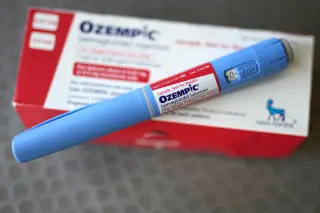
Colorado has FDA approval to import 20 prescription drugs from Canada, including Ozempic and Eliquis, in a bid to lower costs—potentially 20–70% cheaper per drug and about $46 million in savings over three years—though availability will depend on Canada’s supply and manufacturers’ participation; safety and supply-chain concerns persist, and Florida is the only other state with a similar approval.
Drugmakers and insurers have stepped up campaigns to blame hospitals for high U.S. health-care costs, aiming to curb the 340B drug-discount program and push site-neutral policies as lawmakers consider Medicare pay cuts and tighter regulation. Hospitals counter that mergers, rising drug costs, and administrative burdens drive prices, and are increasing lobbying and messaging to defend their position while policy changes—backed by the Trump administration and Congress—loom, including potential restructuring of 340B and scrutiny of hospital consolidations.
Trump’s drug-pricing efforts have yielded uneven gains: Medicare's negotiated discounts cut some prices and cap out-of-pocket costs, and TrumpRx offered notable cuts on certain brand drugs, but overall about 1,000 branded drugs rose in price in early 2026, and benefits mostly reach cash-paying patients, with many discounts opaque and limited in scope; experts say the policy changes do not broadly reshape drug pricing.
President Trump announced the first round of private drug-pricing deals with Regeneron, including Medicaid price reductions, a $225 price for Praluent under TrumpRx, and a $27 billion U.S. investment in drug development; Regeneron also disclosed FDA approval of Otarmeni under a National Priority Voucher program and plans to provide it at no cost to American patients, signaling affordability efforts, though critics say the overall impact has fallen short of promises and the Otarmeni development has faced Deaf-community pushback.
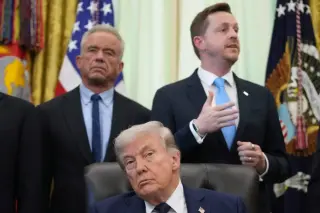
At a White House event on health-care affordability, President Trump defended his drug-price figures by citing 'two ways of calculating'—a move critics say relies on mathematically inconsistent math, as CMS official Chris Klomp and Health and Human Services Secretary Robert Kennedy Jr. listened.
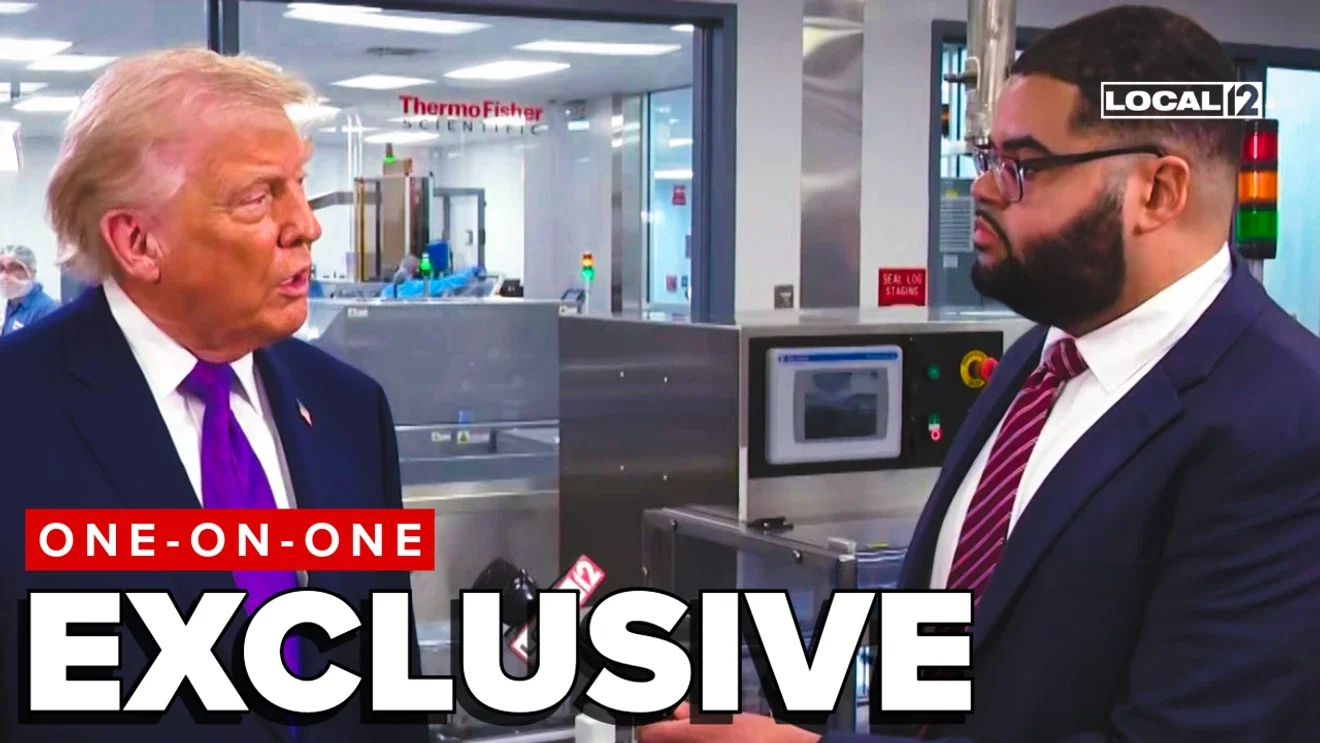
President Trump visited Reading, Ohio, touring Thermo Fisher and promoting U.S. manufacturing and efforts to lower prescription drug costs, while defending his energy record; he discussed potential use of the Strategic Petroleum Reserve to ease gas prices, urged voter ID and opposed mail-in voting, and framed the Cincinnati trip as both policy work and a campaign moment ahead of the midterms.
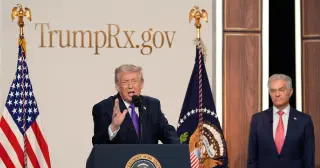
President Trump launched TrumpRx.gov to offer steep discounts on 40 high-cost medicines by tying U.S. prices to MFN prices paid in other developed nations. The rollout includes drugs from AstraZeneca, Eli Lilly, EMD Serono, Novo Nordisk, and Pfizer, with additional products to follow. Patients with prescriptions can access savings via printable or mobile coupons or through manufacturer channels integrated into TrumpRx.gov. Notable examples include large price cuts for diabetes, obesity, fertility, COPD, asthma, and insulin, such as Ozempic, Wegovy, Zepbound, Gonal-F, Cetrotide, Ovidrel, and insulin lispro. The move builds on prior executive orders and agreements aimed at lowering prices and reforming how American drug costs are set.
President Trump pitches the Great Healthcare Plan to Congress to lower drug prices via Most-Favored-Nation pricing, reduce insurance premiums by ending subsidy payments and funding cost-sharing reductions, curb PBM kickbacks, and boost price transparency with plain-English disclosures, posted costs, and expanded over-the-counter access, including direct payments to Americans.
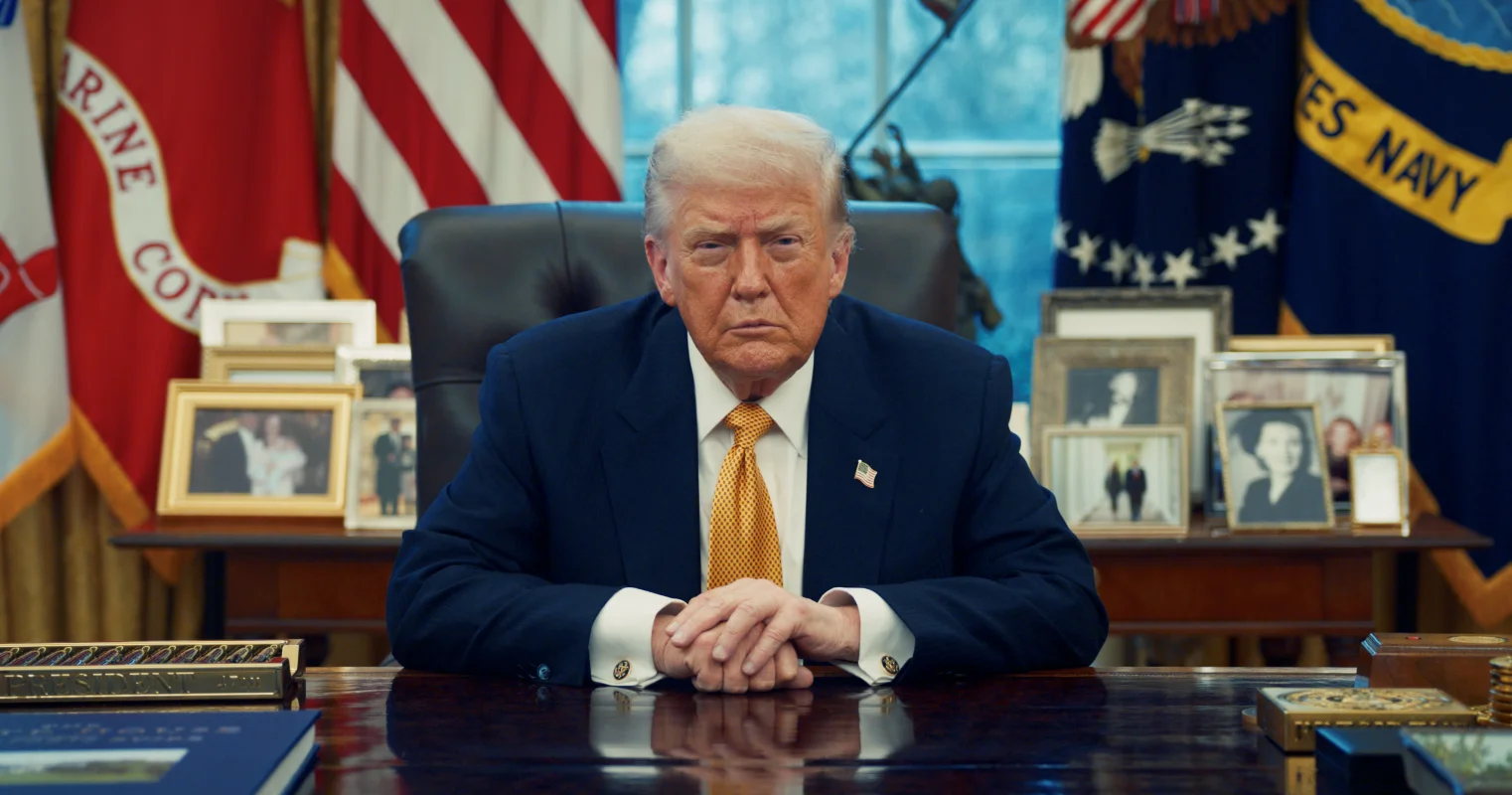
President Trump unveils The Great Healthcare Plan, promising to lower costs by slashing prescription prices, reducing insurance premiums by redirecting subsidies to individuals, expanding funding for cost-sharing reductions, and enforcing price transparency from insurers and providers, including publishing prices and denial rates to empower consumers.
Trump called on Congress to enact The Great Healthcare Plan to lower drug prices (via MFN pricing), slash insurance premiums, curb PBM kickbacks, and boost price transparency with plain-English disclosures so Americans can compare costs and hold insurers accountable, building on his prior executive actions.
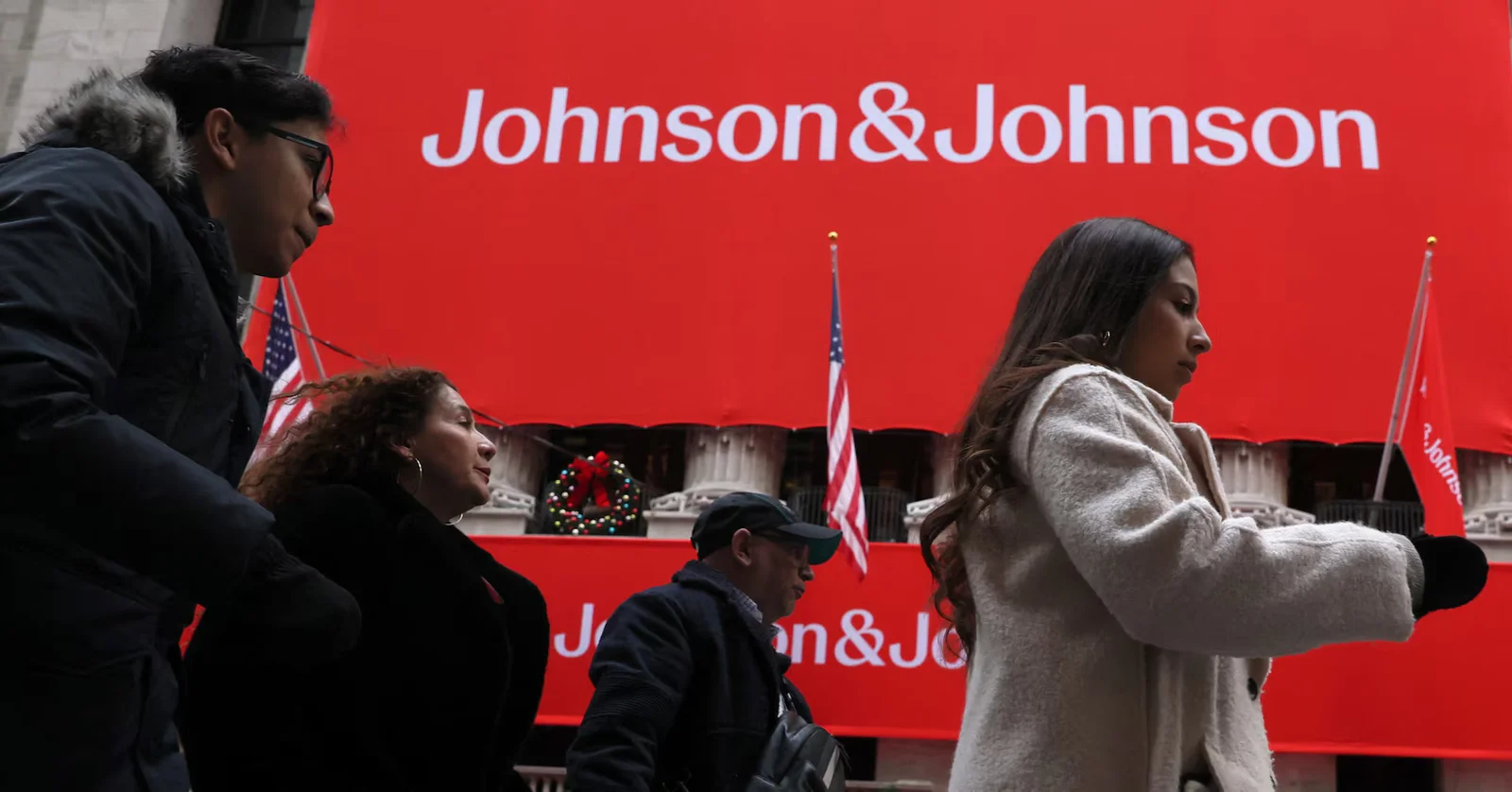
Johnson & Johnson has reached an agreement with the US government to lower drug prices for Americans in exchange for tariff exemptions, participating in initiatives to make medicines more affordable and building new manufacturing facilities in the US as part of a broader investment plan.