Tag

Dynamic Range

All articles tagged with #dynamic range

Pocket 4P Delivers Pro-Level DR in a Pocket, but Log Woes Hold It Back
technology24 days ago

Pocket 4P Delivers Pro-Level DR in a Pocket, but Log Woes Hold It Back

DJI’s Osmo Pocket 4P packs a dual-camera design with a LOFIC main sensor and D-Log 2 that can push impressive dynamic range, delivering superb image quality and 240fps slow-motion, but its log workflow, bulky interface, and telephoto DR penalties limit its appeal; while still a standout pocket gimbal, it’s not universally approachable, and US availability is constrained by a DJI ban.

Pocket 4P Delivers Breakthrough Dynamic Range, Luna Ultra Struggles in CineD Lab
technology26 days ago

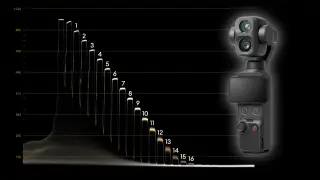
Pocket 4P Delivers Breakthrough Dynamic Range, Luna Ultra Struggles in CineD Lab

In Focus Check ep127, CineD pits the DJI Osmo Pocket 4P against the Insta360 Luna Ultra in a lab test. The Pocket 4P’s wide camera with LOFIC achieves a standout dynamic range (about 16 stops above the noise floor, surpassing the ARRI ALEXA 35) and strong exposure latitude, while the Luna Ultra shows aggressive noise-reduction artifacts that shrink DR to around 13 stops and greatly limit usable exposure latitude in most modes. Price-wise, the Pocket 4P undercuts the Luna Ultra (€600 vs €730). CineD calls the Pocket 4P the clearer image-quality winner and suggests Insta360 could fix its image pipeline with firmware tweaks, highlighting LOFIC’s potential impact on future small-form cameras and smartphones.

DJI Osmo Pocket 4P Delivers Unprecedented Dynamic Range and Exposure Latitude in Lab Tests
technology26 days ago

DJI Osmo Pocket 4P Delivers Unprecedented Dynamic Range and Exposure Latitude in Lab Tests

CineD’s lab tests of the DJI Osmo Pocket 4P reveal a remarkable 16 stops of dynamic range for the 20mm LOFIC wide camera (16 stops above noise, 17.2 stops at SNR 1) with 11 stops of exposure latitude in 10‑bit D-Log2, and solid rolling shutter (~11 ms at 20mm and 9.4 ms at 60mm). The 60mm tele achieves about 11.6 stops DR and ~8 stops of latitude; pushing latitude beyond ~10–11 stops shows posterization and noise due to 10‑bit compression. Overall, the camera shows outstanding performance for a sub‑$1k device, though the ARRI Alexa 35 still leads in dynamic range and latitude in cinema cam territory.

Sony A7R VI Tops the High-Resolution Full-Frame Sensor Showdown
technology1 month ago

Sony A7R VI Tops the High-Resolution Full-Frame Sensor Showdown

In a high-end sensor showdown, the Sony a7R VI leads with a 66 MP stacked sensor delivering the most detail and strongest dynamic range, while the Nikon Z8 offers the fastest readout and can operate without a mechanical shutter, the Panasonic S1R II adds a built-in high‑resolution mode for large prints, and the Canon EOS R5 Mark II combines strong autofocus with solid overall performance. All four bodies produce excellent image quality, so buyers should weigh features beyond resolution when choosing.

Sony a7R VI Lab Test: Impressive Dual-Gain DR, But Latitude Falls Short
technology3 months ago

Sony a7R VI Lab Test: Impressive Dual-Gain DR, But Latitude Falls Short

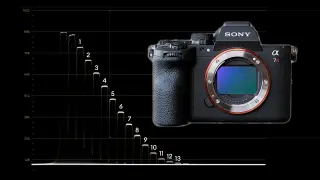
CineD’s lab test of the Sony a7R VI shows the camera’s dual-gain mode delivering strong dynamic range (up to 14 stops at SNR 2 in 4K DG ON) and very fast readout when DG is OFF (7.2 ms, 15.6 ms with DG ON in 4K), with 8K 25p lacking DG at 13.5 ms. The 8K/SGamut cines-S-Log3 test yields about 11.4 stops at SNR 2 and 12.6 at SNR 1, while the 4K DG ON latitude reaches around 13–14 stops in IMATEST terms, but real-world latitude tops out around 9 stops and struggles at 10 stops due to the camera’s 10-bit internal codec (no 12-bit RAW like some competitors). In short: strong DR and rolling-shutter performance, but latitude doesn’t yet dethrone the Lumix S1 II in practical testing.

Mid-Range Sensor Showdown: Sony, Canon, Nikon, and Panasonic Face Off
technology6 months ago

Mid-Range Sensor Showdown: Sony, Canon, Nikon, and Panasonic Face Off

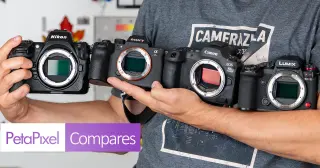
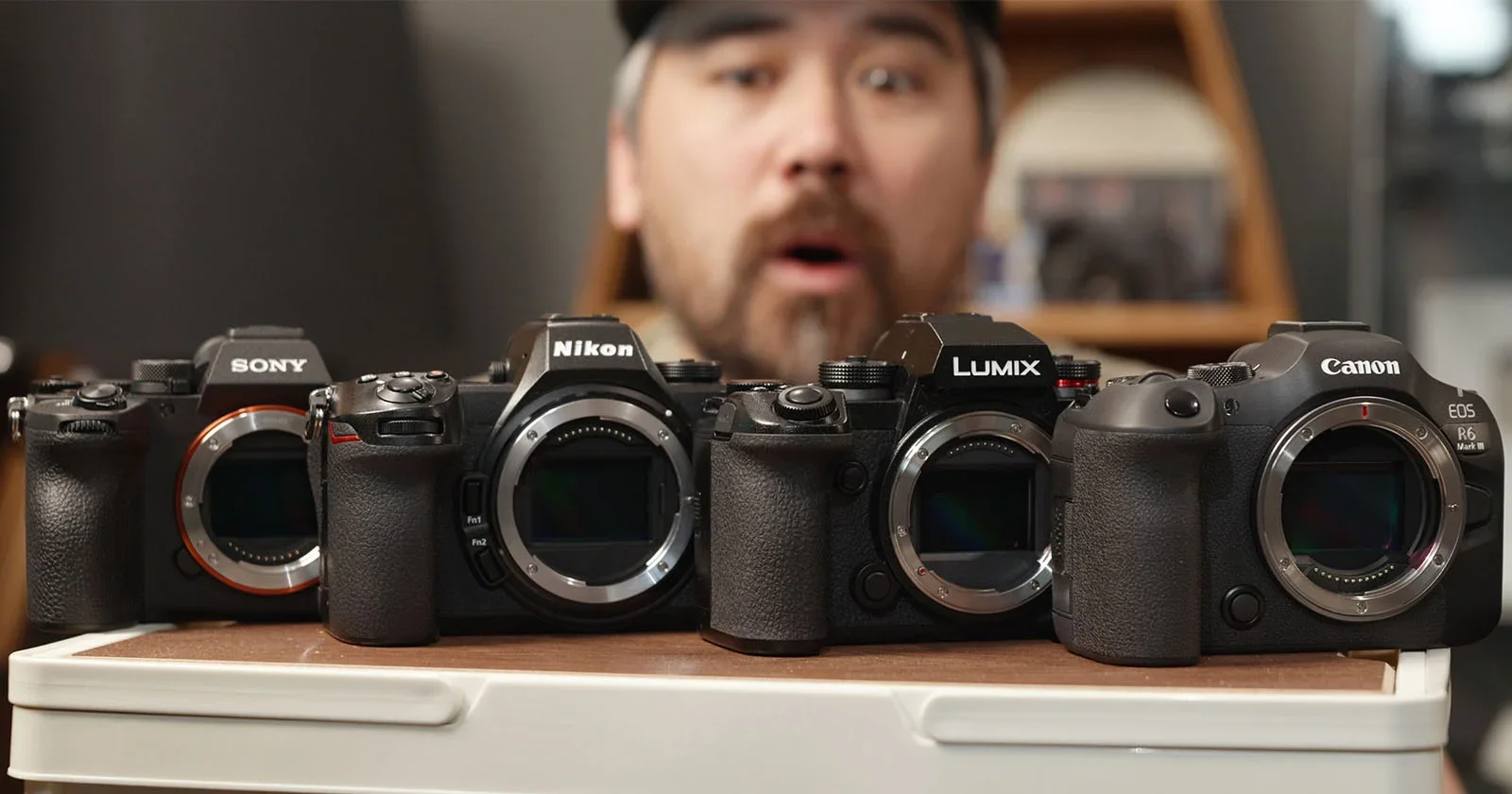
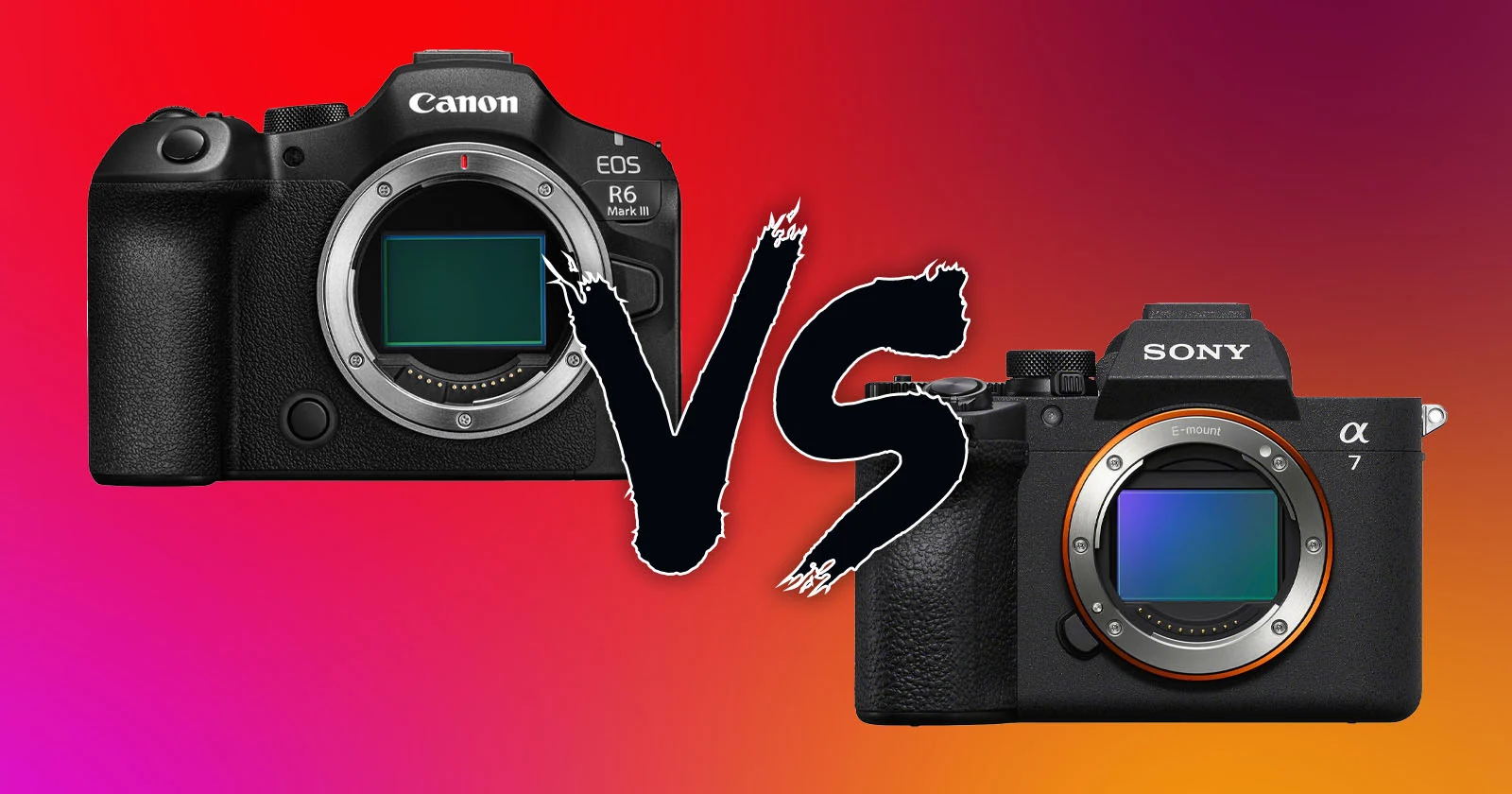
Four mid-range full-frame cameras—Nikon Z6 III, Panasonic Lumix S1 II, Sony a7 V, and Canon EOS R6 III—are compared for sensor performance. Sony leads on dynamic range with a 33MP partially stacked sensor; Canon posts the fastest readout with a 33MP non-stacked sensor; Panasonic highlights video features and in-camera stacking; Nikon offers strong value despite a weaker DR. Overall, all four deliver excellent sensors and the best choice depends on your priorities.

"Mastering TV Dialogue: Top Tips for Crystal Clear Sound"
technology2 years ago

"Mastering TV Dialogue: Top Tips for Crystal Clear Sound"

TV dialogue has become harder to understand due to advancements in microphone technology and audio compression. To improve dialogue sound, consider purchasing a soundbar with speech-enhancement features. Turn off dynamic range settings and adjust the EQ settings on your TV or speakers to focus on clearer dialogue. Lowering the bass and increasing the treble can help improve dialogue clarity.

Sony's Latest Innovations: Improved Sensors and Functional Design for Flagship Phones
technology3 years ago

Sony's Latest Innovations: Improved Sensors and Functional Design for Flagship Phones

Sony has introduced a new image sensor in its Xperia 1 V smartphone that doubles the light gathering capability and reduces noise. The sensor separates photodiodes and pixel transistors onto different substrate layers, resulting in a wider dynamic range and improved low-light performance. Sony claims that the technology prevents underexposure and overexposure in settings with a combination of bright and dim illumination and enables high-quality, low-noise images even in low-light settings. The new sensor is currently only available on Sony’s Xperia 1 V smartphone, but it is expected to be rolled out to other smartphone makers in the future.