Google has updated Chrome to preserve scroll positions and form data when switching tabs between devices, while expanding Gemini AI capabilities to analyze non-YouTube media and generate quizzes.
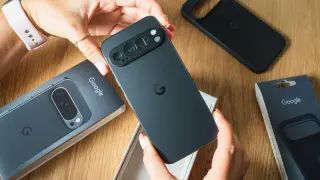
Researchers at the University of San Diego are collaborating with Google to repurpose discarded Pixel smartphones as affordable computing clusters for schools. By stripping devices down to their motherboards, the project aims to reduce e-waste and provide low-cost infrastructure for educational institutions. Initial tests show that clusters of 20 phones can support classes of 75 students, with plans to scale to 2,000 units by fall 2026. The initiative highlights that aging mobile hardware retains significant processing power, offering a sustainable alternative to new server infrastructure.
Some of America’s wealthiest families are paying tens of thousands for AI-powered private schools and tutoring programs (e.g., Alpha School, Forge Prep), with Alpha Kindergarten costing about $75,000 per year, in hopes that AI-led, project-based curricula can replace traditional schooling. While proponents argue AI can help kids think on their feet, critics point to a lack of proven outcomes, opaque metrics, and pedagogy concerns, including the exclusion of controversial social issues as the model expands toward high school.