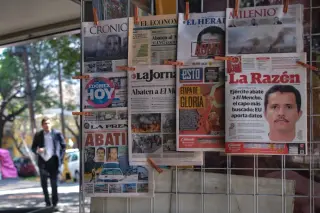
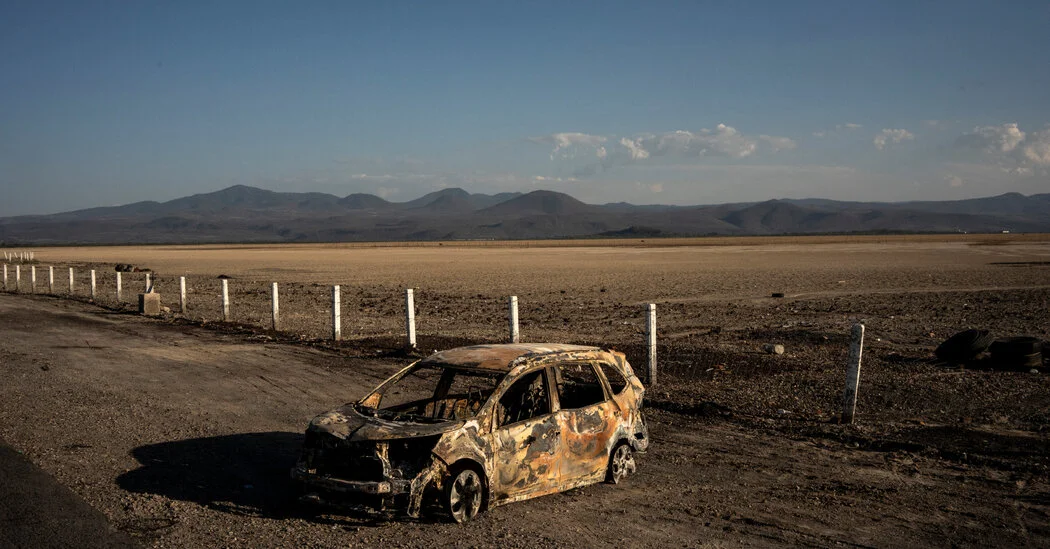
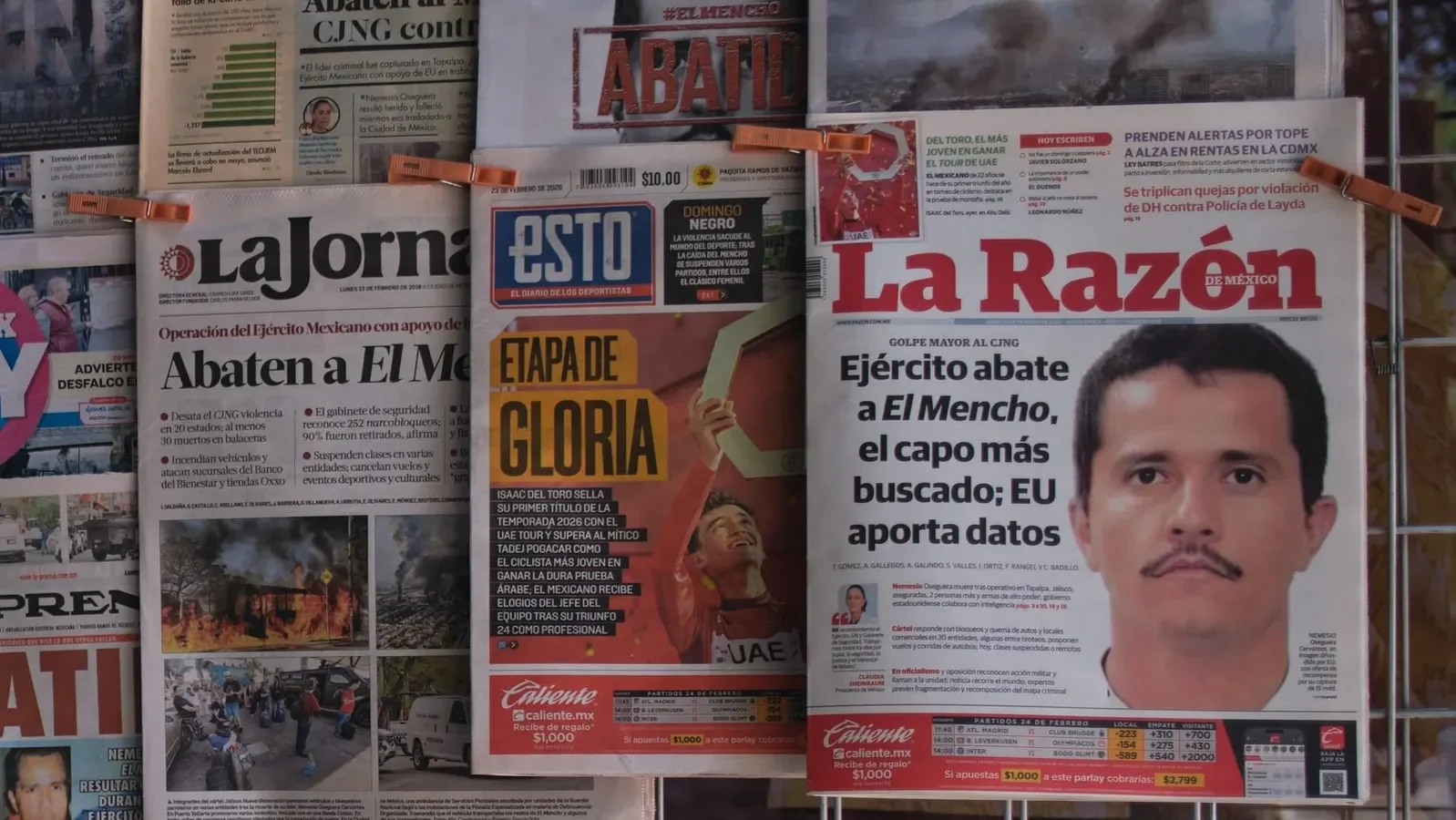
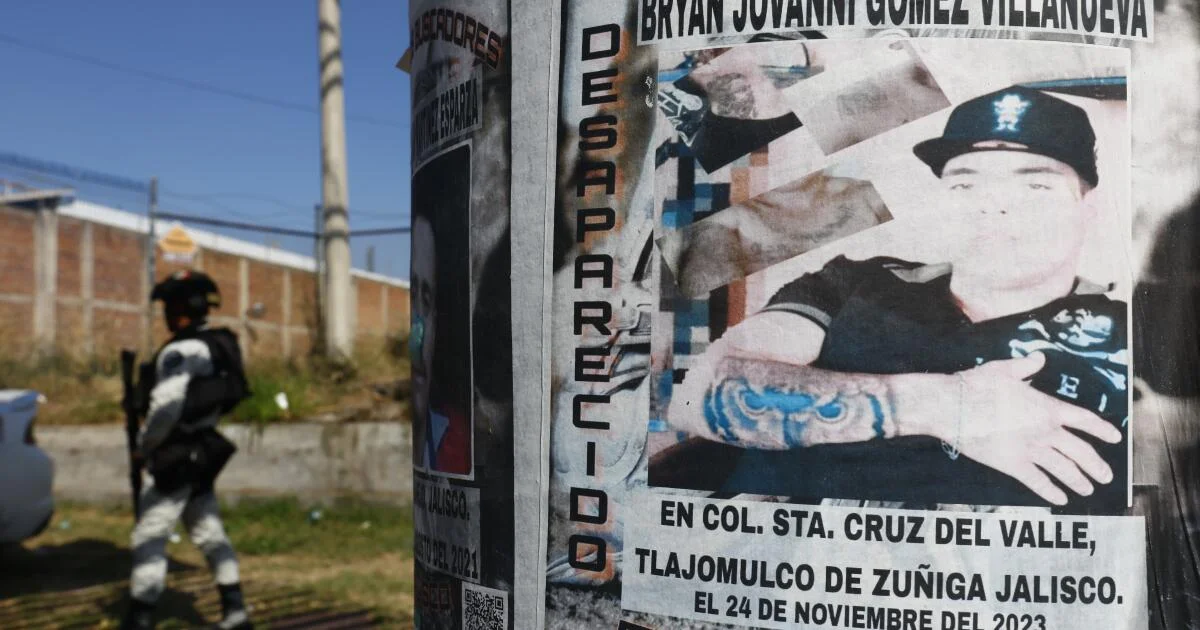
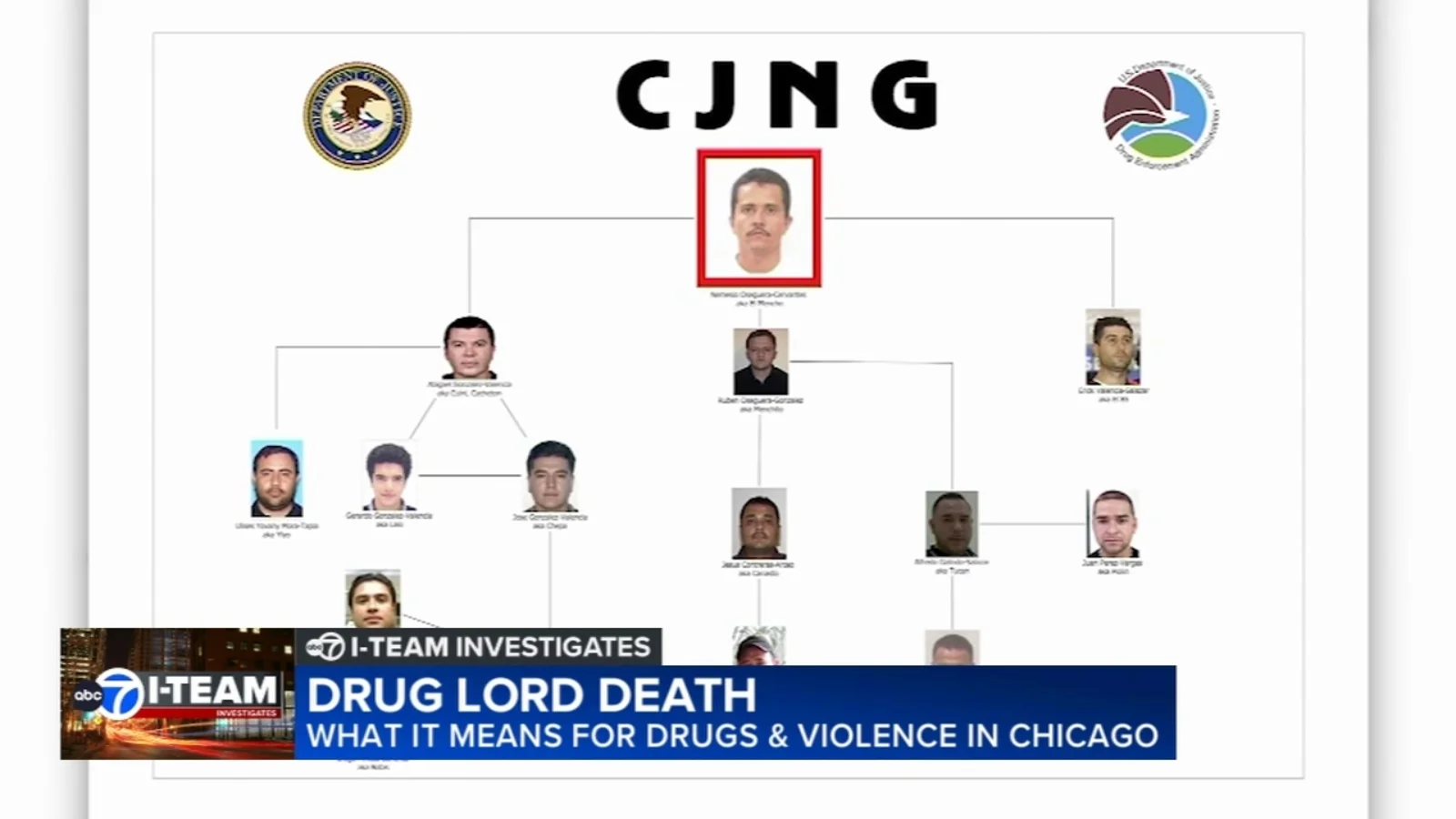
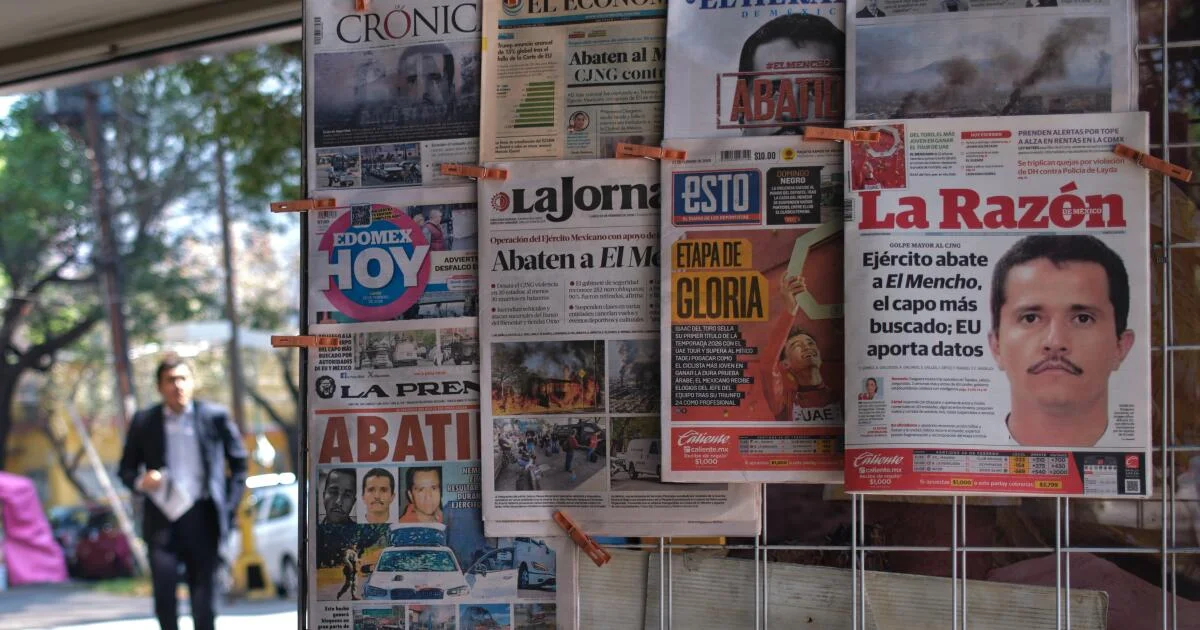
Mexico’s army captured Nemesio Oseguera Cervantes, known as El Mencho, the head of the Jalisco New Generation Cartel, signaling a major setback for the cartel as authorities intensify crackdowns.
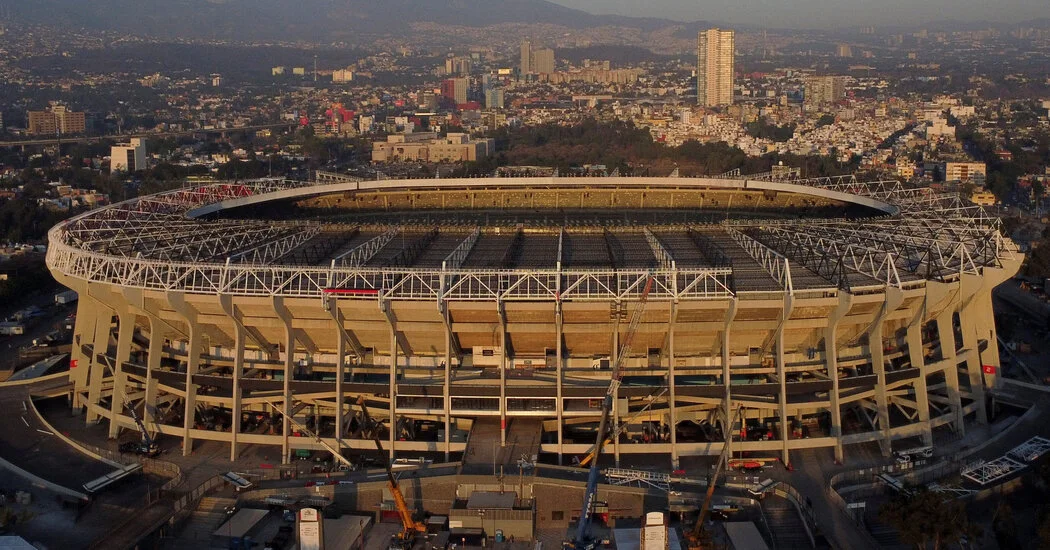
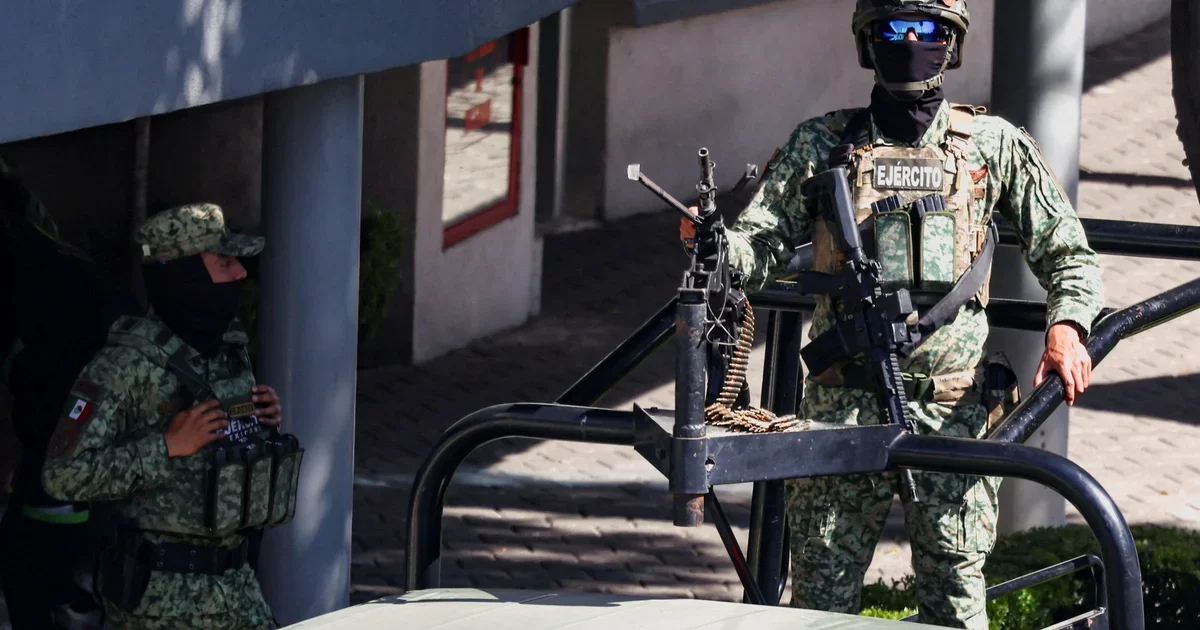
Mexico will mobilize about 100,000 security personnel—including military, police, and private guards—with vehicles, aircraft, and drones to safeguard World Cup events in Mexico City, Guadalajara, and Monterrey after a spike in cartel violence following El Mencho’s death; preparations began in January and FIFA coordination is ongoing, as tourism campaigns seek to reassure visitors ahead of an expected 5.5 million attendees.
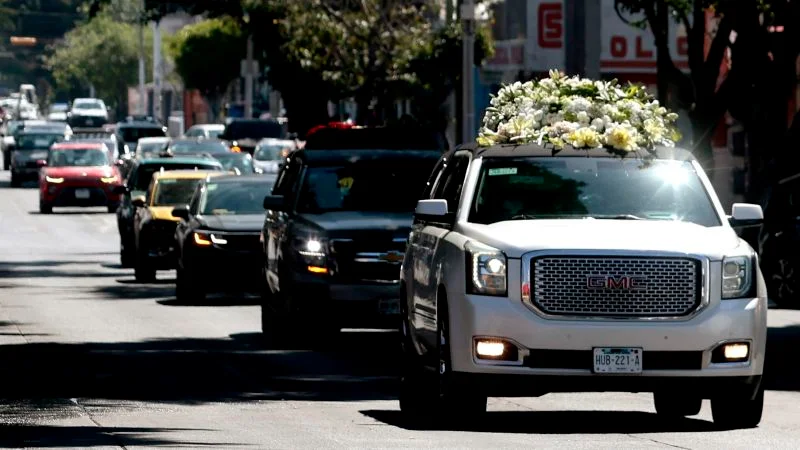
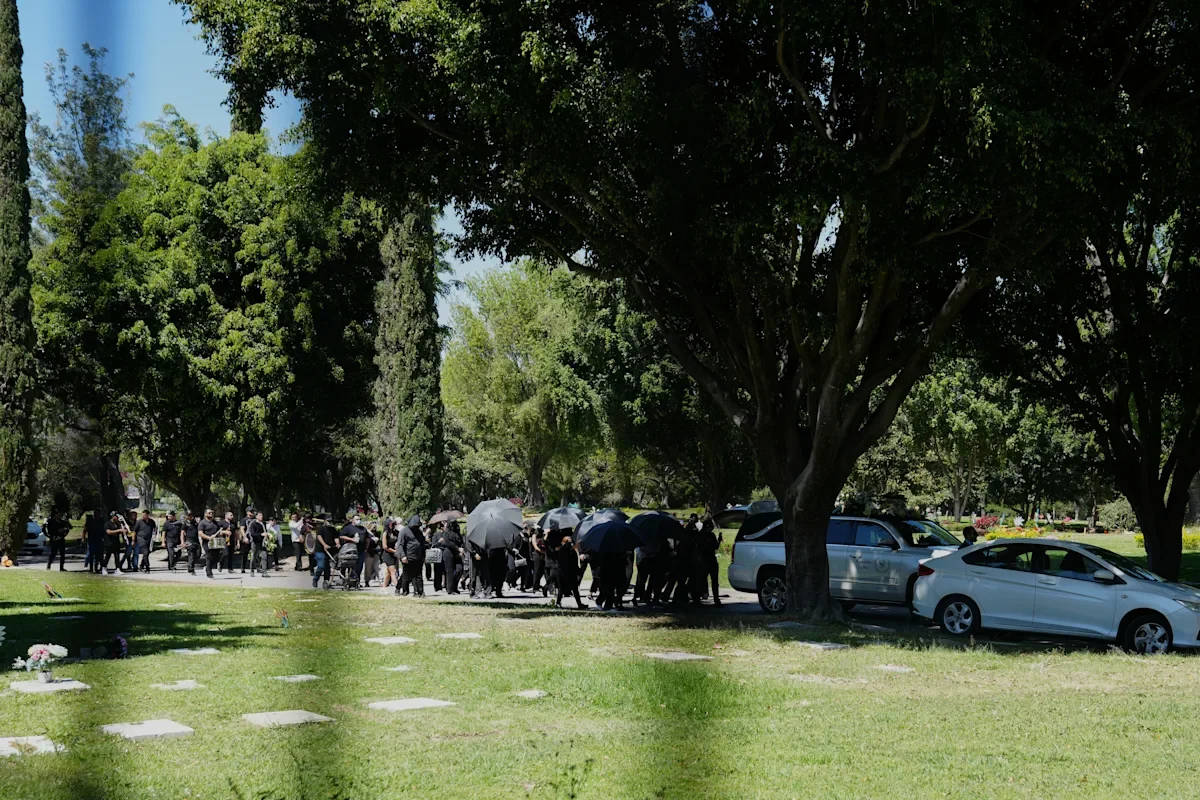
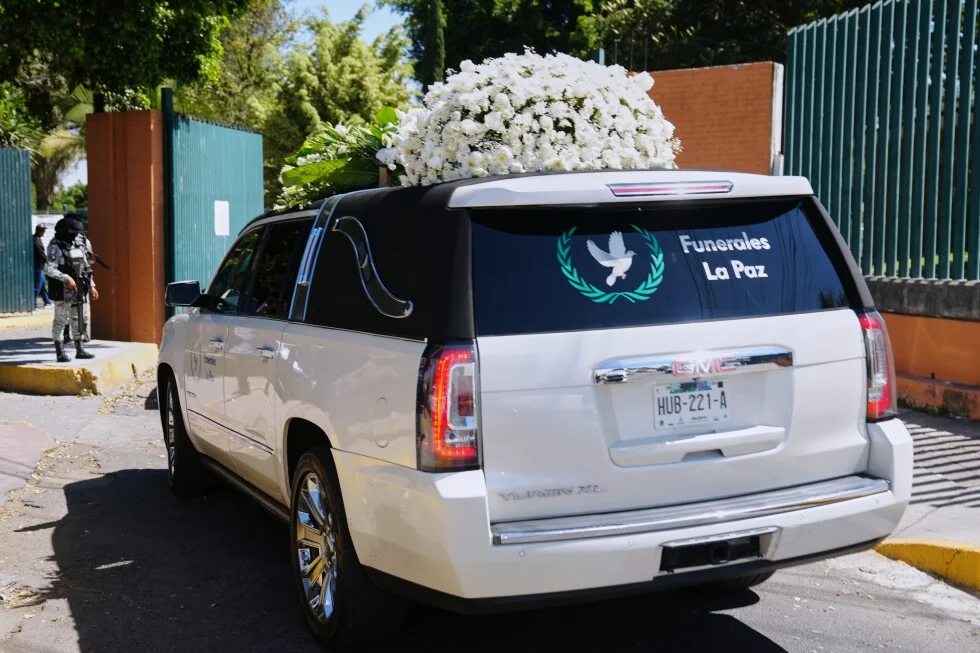
Nemesio Oseguera Cervantes, aka El Mencho, head of the Jalisco New Generation Cartel, was buried in a gleaming gold coffin at a Zapopan cemetery near Guadalajara after Mexican troops killed him in a raid the previous week; the funeral, conducted under tight security with wreaths and banda music, followed a death certificate noting multiple bullet wounds and has been followed by cartel violence across about 20 states as authorities pursue other high‑ranking members.
Nemesio Oseguera Cervantes, alias El Mencho, leader of the Jalisco New Generation Cartel, was buried in a gleaming gold casket at a Zapopan cemetery near Guadalajara after a fatal gunfight with Mexican soldiers; his burial followed by heavy security and weeks of cartel-linked violence across multiple states.
Mexico’s Nemesio Oseguera Cervantes, alias El Mencho and head of the Jalisco New Generation Cartel, was buried in a Zapopan cemetery near Guadalajara in a ceremony marked by a gold casket, large flower wreaths, and a heavy military presence after he was killed by soldiers in Tapalpa. The death certificate lists multiple bullet wounds, and authorities say the violence that followed his death left more than 70 people dead across about 20 states; his body was autopsied in Mexico City before being returned to his family, underscoring the cartel violence surrounding his demise.
Nemesio Oseguera Cervantes, alias El Mencho, head of the Jalisco New Generation Cartel, was buried in Zapopan near Guadalajara after dying from gunshot wounds sustained during a military operation to capture him. The funeral drew a large security presence and extensive floral tributes, with burial details kept confidential for security reasons. The death sparked violence in multiple states, with authorities reporting more than 70 deaths, and his body was autopsied in Mexico City before being returned to his family.
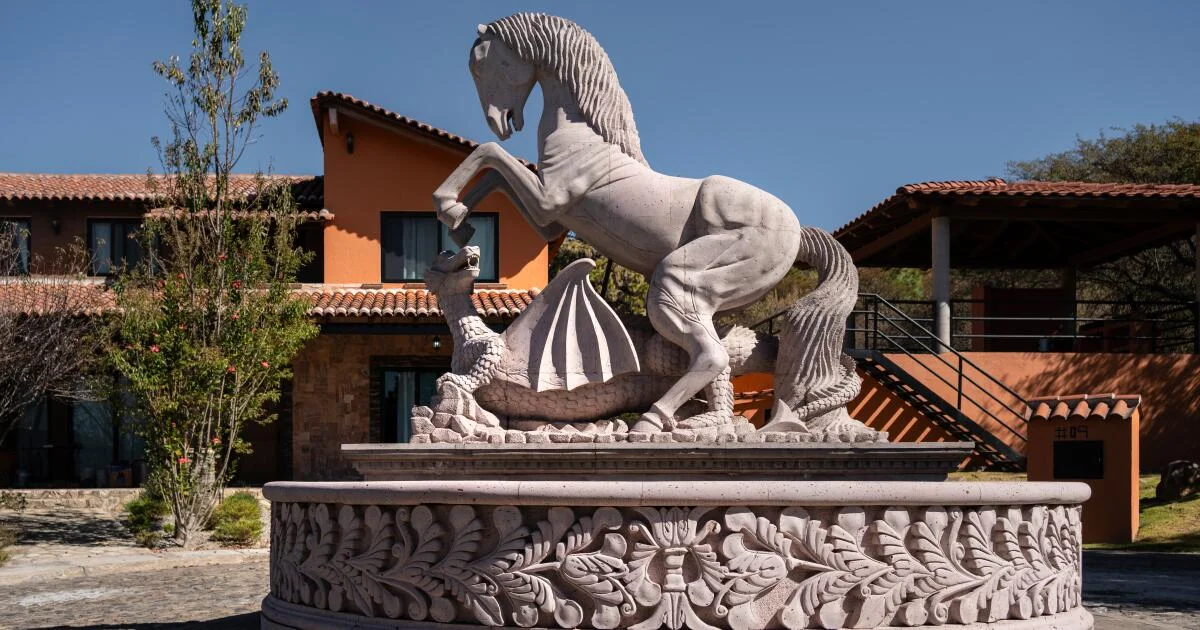
Mexican special forces, with U.S. intelligence support, stormed Nemesio Oseguera Cervantes’s luxury mountain hideout near Tapalpa, killing El Mencho after an hours-long gun battle that also triggered deadly reprisals across Mexico; the raid exposed a lavish compound with armed guards, drones, designer gear, and a payroll notebook detailing pay for commanders, mercenaries, and drone operators.
Mexican authorities confirmed the body of Nemesio Rubén Oseguera Cervantes, aka El Mencho, CJNG’s leader, was returned to his family after a military operation in Jalisco and genetic testing; his deathhas sparked waves of cartel violence across the region, while U.S.-Mexico security cooperation continues and officials say there is no imminent threat to the United States.
El Mencho, the elusive head of the CJNG who ruled from forest hideouts with a militarized network, was killed by Mexican forces, ending two decades of dominance and prompting mass arson by his followers as the cartel’s reach stretched across Mexico and into about 40 countries.
Forbes profiles the elusive CJNG boss El Mencho, noting that while his cartel wields immense influence in Mexico and beyond, his exact fortune remains unverified. Estimates place a multi‑billion‑dollar net worth due to drug trafficking, extortion, and territorial control, but the secrecy of the organization makes verification difficult and figures vary widely.
With El Mencho dead, the Jalisco New Generation Cartel faces a murky succession among regional bosses; contenders include Valencia González (El 03), RR, El Jardinero, and El Yogurth, while El Menchito remains imprisoned, complicating leadership dynamics. Analysts warn of either a fragile power-sharing or a violent fracture that could redraw Mexico’s crime landscape, even as the cartel maintains its dispersed, franchise-like structure.
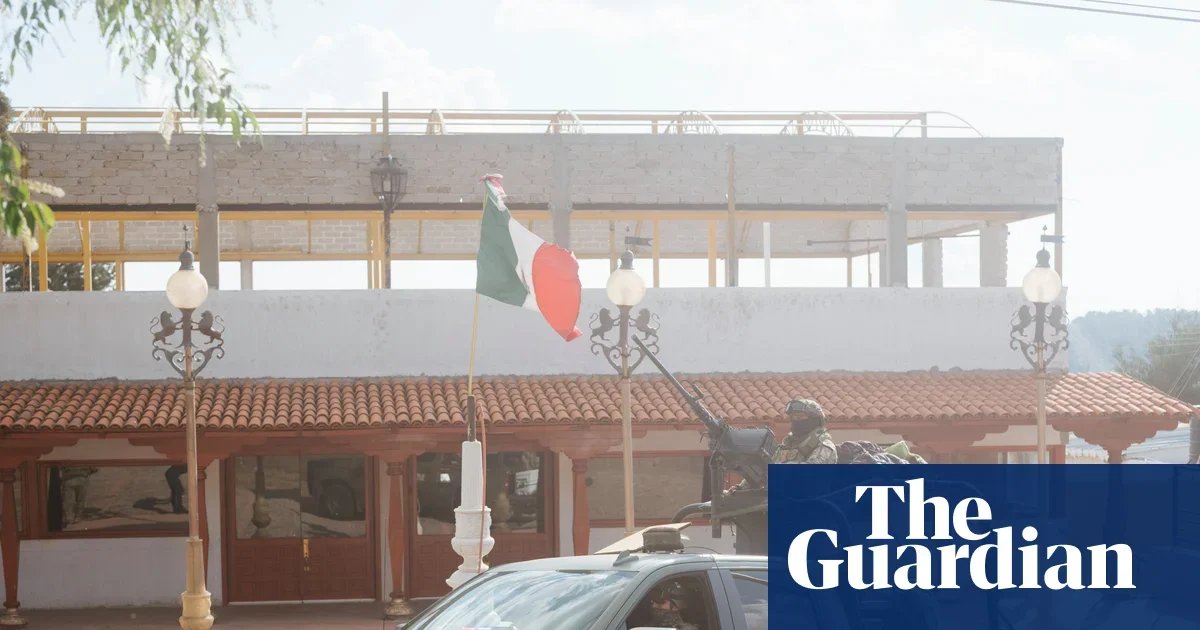
Mexican security forces killed cartel boss Nemesio Oseguera Cervantes, aka El Mencho, after tracking him to a lodge near Tapalpa, Jalisco; the operation sparked hours of gun battles, arson and road blockades across western Mexico, with more than 60 people killed in the wider violence. Guardian reporters later visited Tapalpa and found two alleged hideouts linked to El Mencho amid a town still marketed to tourists, highlighting the eerie contrast between tourism imagery and narco unrest. While his death is a major blow to the CJNG, experts warn that violence tied to Mexico’s drug trade is unlikely to end soon.
Mexican forces killed Nemesio Oseguera Cervantes, aka El Mencho, head of the CJNG. Analysts say his death could disrupt the cartel but is unlikely to stop drugs reaching Chicago, as other networks (notably the Sinaloa cartel) and remaining middlemen adapt. Experts urge a broader, multi-network strategy and closer U.S.-Mexico collaboration, warning that narco-violence could spill further in Mexico even as trafficking routes shift to other cartels.
Mexican forces killed cartel boss Nemesio Rubén Oseguera Cervantes (El Mencho) in a raid aided by U.S. intelligence, with no American troops on the ground; Trump touted the operation in the State of the Union, prompting scrutiny in Mexico as he spoke with President Claudia Sheinbaum about the raid. Mexican officials described cooperation as “very well,” while the violence that followed left at least 25 National Guard members dead, underscoring the high-stakes fallout from the operation.
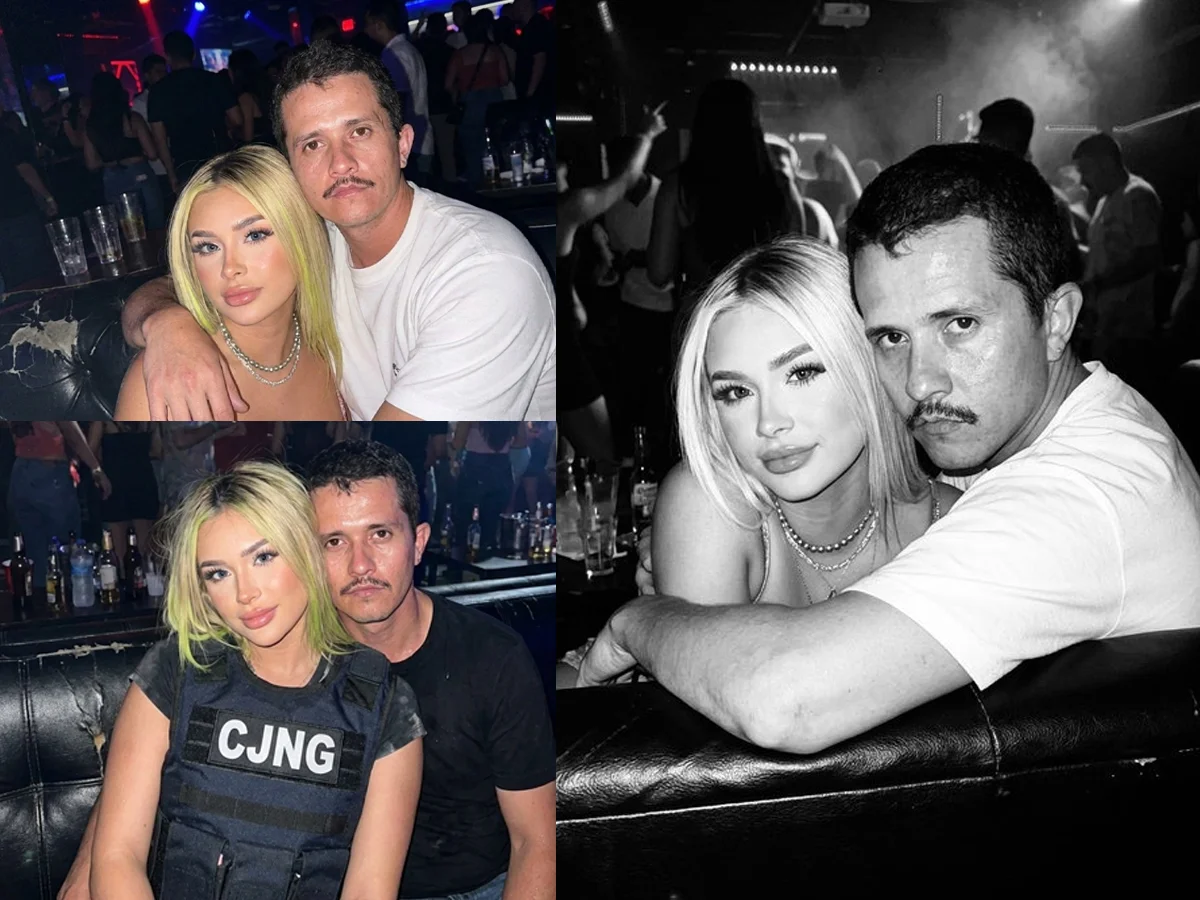
Online chatter linked influencer Maria Julissa to the death of CJNG leader El Mencho after a February 22 raid in Tapalpa and a circulating photo claimed to be their last together; authorities have not confirmed any involvement by Julissa, and she publicly denied the claims while the operation focused on the cartel amid continuing violence.