Tag

Burial

All articles tagged with #burial

Khamenei's 40th Day Mourning Marked as Burial Location Remains Hidden
society1 day ago

Khamenei's 40th Day Mourning Marked as Burial Location Remains Hidden

Fortieth-day mourning for Iran’s former Supreme Leader Ali Khamenei began across multiple cities during a fragile two-week ceasefire with the United States and Israel, but authorities have not disclosed where or how he was buried, prompting speculation and online ridicule over a church-based ceremony held before a grave is confirmed, while broader tensions over governance and security persist in Iran.

Maastricht dig yields possible resting place for D’Artagnan
science15 days ago

Maastricht dig yields possible resting place for D’Artagnan

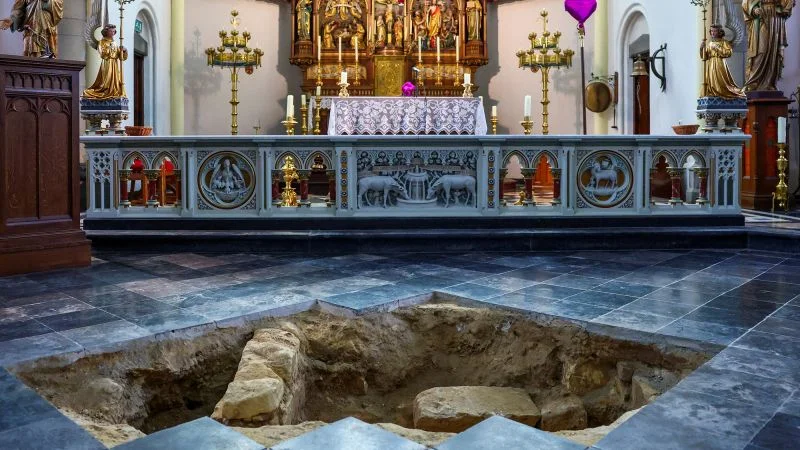
An archaeologist in Maastricht, Netherlands, uncovered a tomb behind the altar at St. Peter and Paul Church containing a skeleton, a musket ball, and a 1660 coin, which researchers say match historical records of Charles de Batz de Castelmore, the musketeer known as D’Artagnan. DNA tests and a strontium isotope analysis are planned to confirm the identity, while the burial in consecrated ground aligns with accounts of his death during the 1673 siege of Maastricht.

Stone-Age Woman Buried with Male Tools Signals Fluid Neolithic Roles in Hungary
science1 month ago

Stone-Age Woman Buried with Male Tools Signals Fluid Neolithic Roles in Hungary

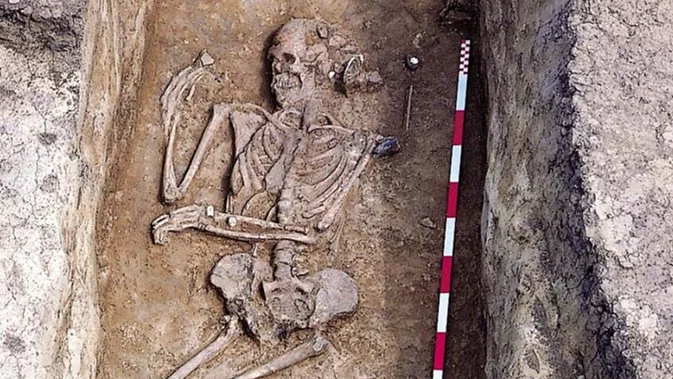
A study of 125 skeletons from two Neolithic cemeteries in eastern Hungary (circa 5300–4650 BCE, about 7,000 years ago) shows that men and women generally had distinct burial patterns, but some individuals were buried in ways that did not align with their biological sex. Female burials were often on the left with shell bead belts, and male burials on the right with polished stone tools, yet an older female’s toes indicated a kneeling pattern more like the men’s. The researchers say these exceptions reveal that gender roles were flexible and shaped by multiple factors in this Stone Age society.

El Mencho laid to rest in a gilded coffin near Guadalajara after deadly clash
world1 month ago

El Mencho laid to rest in a gilded coffin near Guadalajara after deadly clash

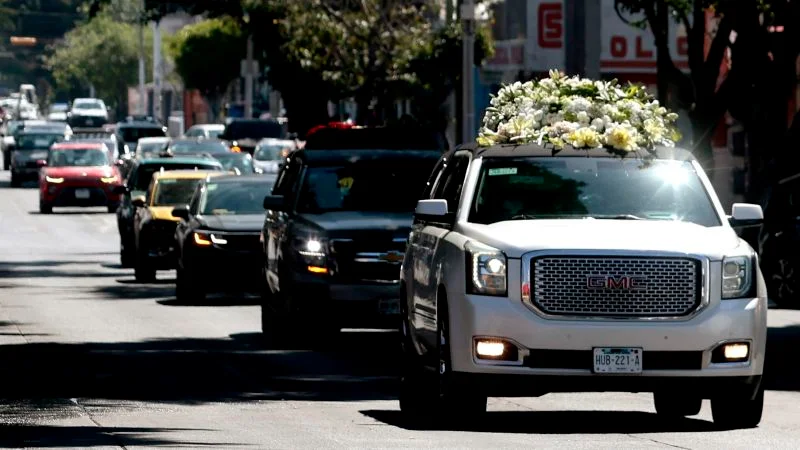
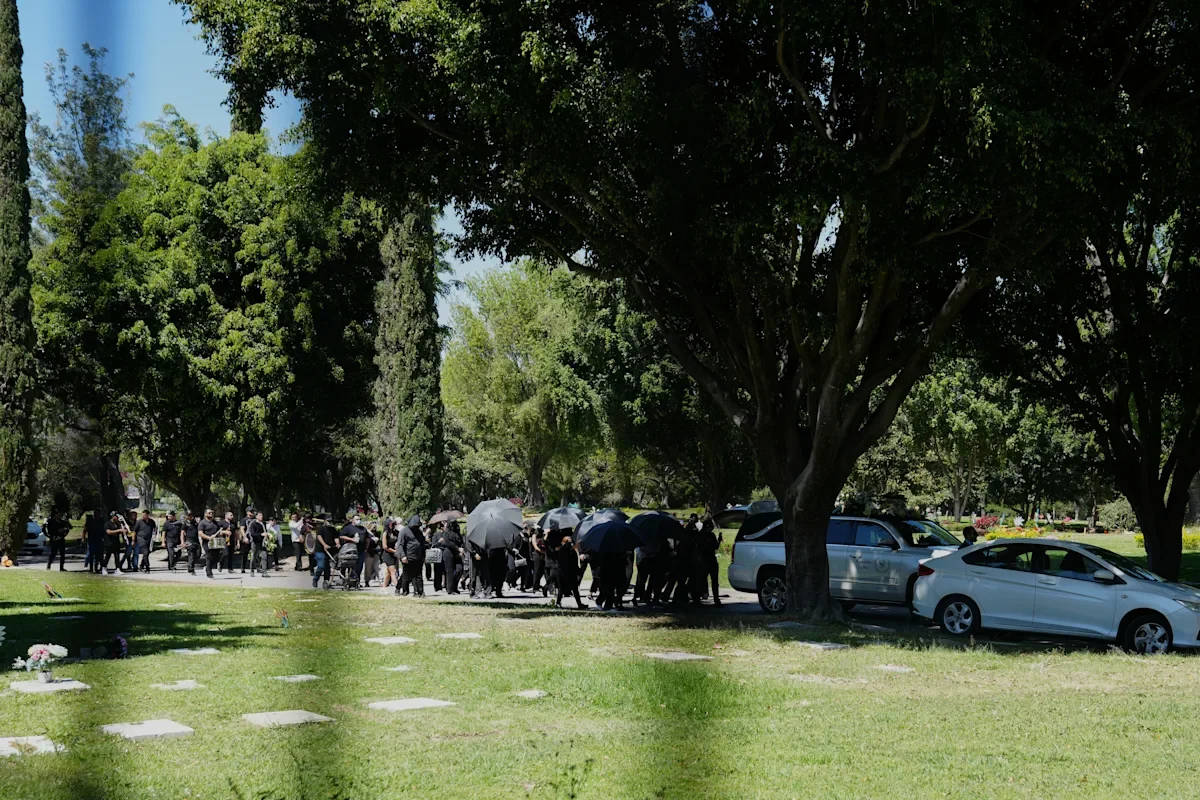
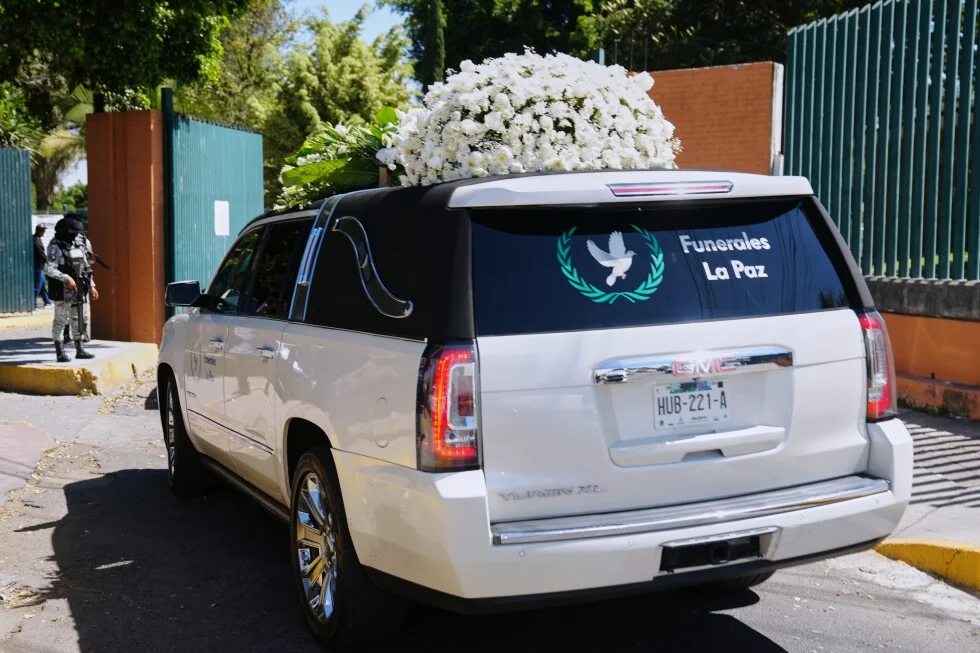
Nemesio Oseguera Cervantes, aka El Mencho, head of the Jalisco New Generation Cartel, was buried in a gleaming gold coffin at a Zapopan cemetery near Guadalajara after Mexican troops killed him in a raid the previous week; the funeral, conducted under tight security with wreaths and banda music, followed a death certificate noting multiple bullet wounds and has been followed by cartel violence across about 20 states as authorities pursue other high‑ranking members.

El Mencho's Golden Goodbye: Cartel Boss Buried Amid Mexico’s Security Turmoil
world1 month ago

El Mencho's Golden Goodbye: Cartel Boss Buried Amid Mexico’s Security Turmoil

Mexico’s Nemesio Oseguera Cervantes, alias El Mencho and head of the Jalisco New Generation Cartel, was buried in a Zapopan cemetery near Guadalajara in a ceremony marked by a gold casket, large flower wreaths, and a heavy military presence after he was killed by soldiers in Tapalpa. The death certificate lists multiple bullet wounds, and authorities say the violence that followed his death left more than 70 people dead across about 20 states; his body was autopsied in Mexico City before being returned to his family, underscoring the cartel violence surrounding his demise.

El Mencho laid to rest in Guadalajara amid flowers and security
world1 month ago

El Mencho laid to rest in Guadalajara amid flowers and security

Nemesio Oseguera Cervantes, alias El Mencho, head of the Jalisco New Generation Cartel, was buried in Zapopan near Guadalajara after dying from gunshot wounds sustained during a military operation to capture him. The funeral drew a large security presence and extensive floral tributes, with burial details kept confidential for security reasons. The death sparked violence in multiple states, with authorities reporting more than 70 deaths, and his body was autopsied in Mexico City before being returned to his family.

DNA Pinpoints Northern Britain’s Oldest Known Mesolithic Burial
science1 month ago

DNA Pinpoints Northern Britain’s Oldest Known Mesolithic Burial

DNA analysis of an 11,000-year-old child from Heaning Wood Cave in Cumbria confirms the remains belong to a young girl and marks her as Northern Britain’s oldest known burial from the Mesolithic era. The find, one of the NW European region’s oldest Mesolithic burials, includes a perforated deer tooth and shell beads radiocarbon dated to about 11,000 years ago, suggesting deliberate burial practices by early hunter-gatherers. Local archaeologist Martin Stables helped uncover the site, which also reveals multiple burials across distinct periods, underscoring long-term use of caves for funerary rites in post-Ice Age Britain.

Ancient Italian teen fell to a bear 28,000 years ago, new bone analysis confirms
science2 months ago

Ancient Italian teen fell to a bear 28,000 years ago, new bone analysis confirms

A Paleolithic teen buried in the Arene Candide cave in Liguria, Italy, has been identified as Il Principe. Microscopic and 3D analyses show massive shoulder and facial trauma at death, consistent with a bear attack (likely brown or cave bear), with bone healing indicating the teen survived the mauling for up to three days. The well-preserved grave goods—a shell headdress, shells and teeth, and a flint blade—mark a formal burial, and the individual lived about 28,000 years ago at age 14–17. This find sheds light on dangerous encounters with megafauna and ritual treatment of exceptional burials in Late Paleolithic hunter‑gatherer communities.

Gold-Laden Burials Unearthed by Archaeologists in Crimea
archaeology1 year ago

Gold-Laden Burials Unearthed by Archaeologists in Crimea

Archaeologists in Crimea have discovered an early-medieval burial site at the Almalyk-dere necropolis, filled with gold and silver jewelry belonging to noble women from the 4th to 6th century. The site, located on the Mangup plateau, is the largest early medieval necropolis in the region. Despite previous looting, the excavation revealed well-preserved artifacts, including gold earrings with precious stones and a decorated pyxis. The findings suggest the burial ground was reserved for the elite of southwestern Crimea.

Ancient Moroccan Cave Reveals Early Human Use of Medicinal Plants
archaeology1 year ago

Ancient Moroccan Cave Reveals Early Human Use of Medicinal Plants

Researchers have discovered 15,000-year-old Ephedra seed cones in a burial site in Morocco, suggesting early humans used plants as drugs. The Ephedra plant, known for its stimulant properties, was likely consumed during burial rituals by the Iberomaurusians, indicating a sophisticated understanding of its effects. This finding highlights the significant role of plants in prehistoric life, predating agriculture, and suggests that ancient humans used plants for medicinal and ritualistic purposes.

"16th-Century Vampire: Face Reconstructed with Brick in Mouth"
archaeologyforensics2 years ago

"16th-Century Vampire: Face Reconstructed with Brick in Mouth"

Scientists have reconstructed the face of a 16th-century woman found buried with a brick jammed into her mouth on the Venetian island of Lazzaretto Nuovo, believed to prevent her from feeding as locals thought she was a vampire. The woman, who lived into her 60s, was found in a mass grave from the bubonic plague era, and researchers used forensic reconstruction to investigate whether the brick was placed before or after her death, ultimately concluding that it was likely inserted while she was still alive.

"Facial Reconstruction Reveals 16th-Century Italian 'Vampire' Buried with Brick in Mouth"
archaeologyforensic-science2 years ago

"Facial Reconstruction Reveals 16th-Century Italian 'Vampire' Buried with Brick in Mouth"

Scientists have reconstructed the face of a 16th-century woman buried with a brick in her mouth on the Venetian island of Lazzaretto Nuovo, believed by locals to be a vampire responsible for the plague. Forensic researcher Cícero Moraes investigated the possibility of the brick being inserted while she was alive and concluded that it was feasible. The woman, who lived into her 60s, was found to be a lower-class European. The discovery sheds light on burial practices and superstitions of the time.