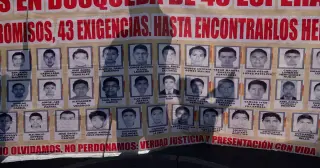
Twelve years after the disappearance of 43 students in Mexico, authorities announced 17 new arrests and identified human remains, while families demand the release of military intelligence files.
Mexican social media influencer César Gastélum was fatally shot during a livestream outside a restaurant in Culiacán, with authorities linking the attack to cartel violence; the case, captured on video, underscores the risks faced by content creators in regions controlled by criminal groups and comes amid ongoing clashes between Sinaloa cartel factions.
Mexican social media influencer César Gastélum was shot dead during a livestream outside a restaurant in Culiacán, Sinaloa; authorities suspect cartel-linked motives and say the killing highlights the broader risk to content creators in regions plagued by organized crime.
Mexican social media influencer César Gastélum was shot and killed during a TikTok/Instagram livestream in Culiacán, Sinaloa. Authorities say the killing is linked to cartel violence and Gastélum had posted content implying ties to a criminal faction; the investigation is ongoing and officials have not named a specific group. The incident, which occurred near the prosecutor’s office, follows a trend of criminals targeting influencers and underscores the broader violence affecting the region, with a 2025 similar case also cited.
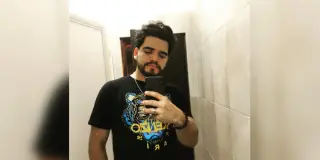
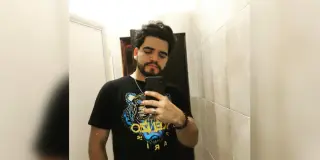
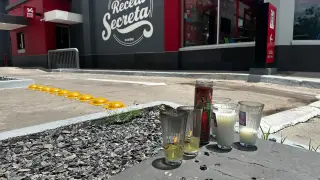
César Gastelum, a 24-year-old TikTok influencer with over 700,000 followers, was shot dead during a livestream in a KFC parking lot in Tres Ríos, Culiacán, as two motorcyclists wearing orange delivery gear pulled up; his two friends were unharmed. Investigators say no motive has been disclosed yet and are reviewing CCTV footage, with federal and state authorities looking into possible links to the Sinaloa cartel’s turf wars amid ongoing violence in the region. The incident follows a spate of influencer killings in the area, including the earlier death of Valeria Marquez, underscoring broader cartel-related violence.
AP reports that cartel violence, drone surveillance, and security crackdowns are driving a hidden displacement crisis in Mexico, forcing families to flee their homes and creating mounting humanitarian challenges amid evolving government responses.
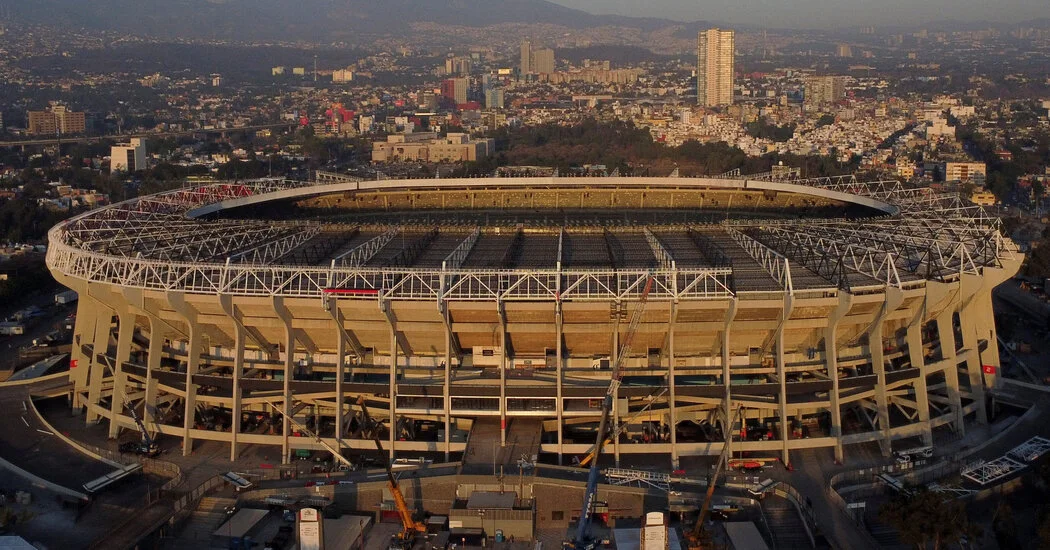
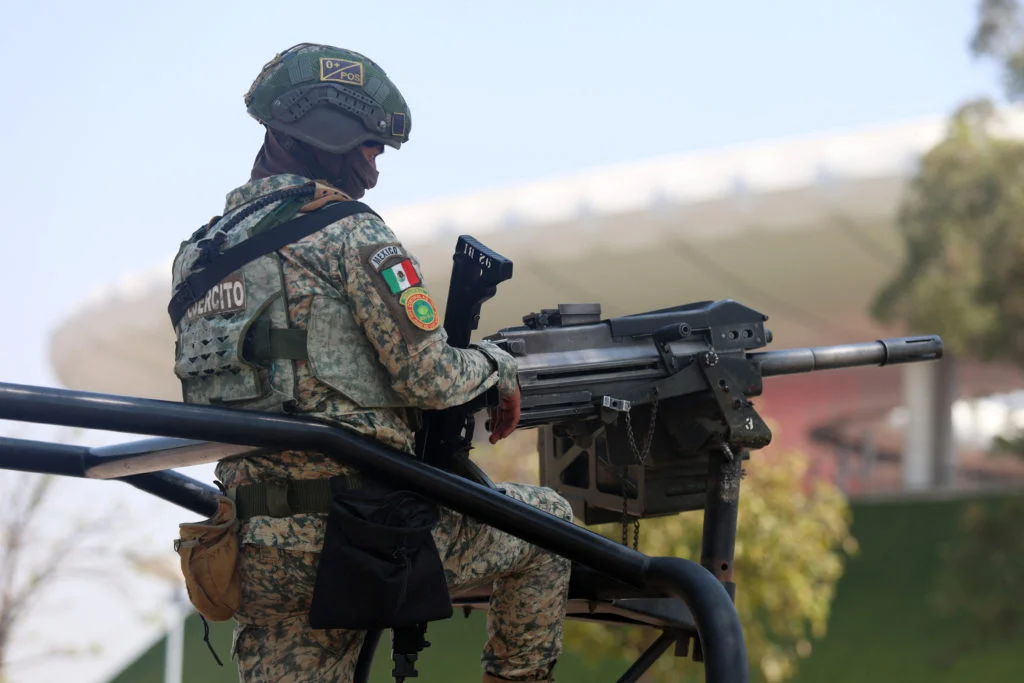
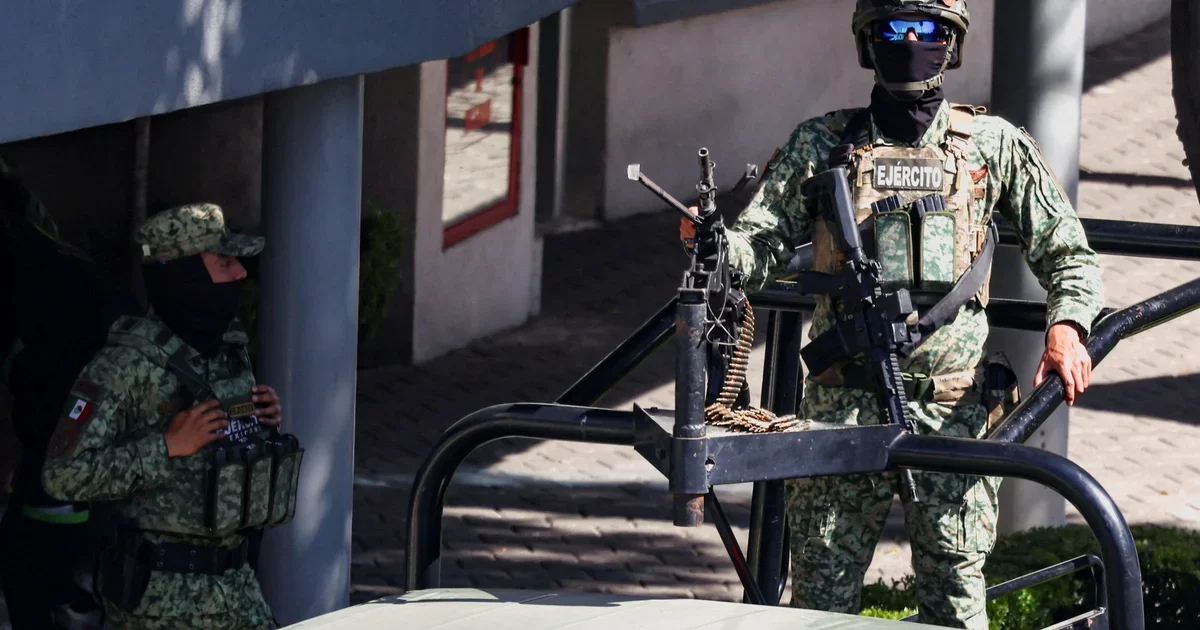
Mexico will mobilize about 100,000 security personnel—including military, police, and private guards—with vehicles, aircraft, and drones to safeguard World Cup events in Mexico City, Guadalajara, and Monterrey after a spike in cartel violence following El Mencho’s death; preparations began in January and FIFA coordination is ongoing, as tourism campaigns seek to reassure visitors ahead of an expected 5.5 million attendees.
With 100 days until kickoff, the 2026 World Cup co-hosts face geopolitics around Iran, security concerns amid cartel violence in Mexico, and scaling back of fan festivals and ticket-price scrutiny as organizers navigate hosting hurdles.
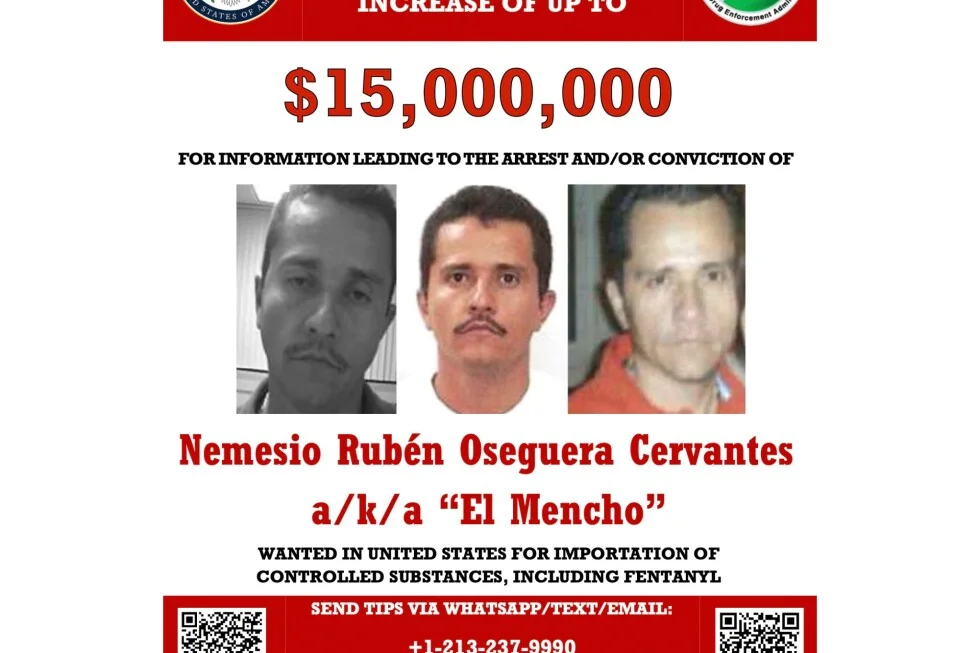
Mexican authorities confirmed the body of Nemesio Rubén Oseguera Cervantes, aka El Mencho, CJNG’s leader, was returned to his family after a military operation in Jalisco and genetic testing; his deathhas sparked waves of cartel violence across the region, while U.S.-Mexico security cooperation continues and officials say there is no imminent threat to the United States.
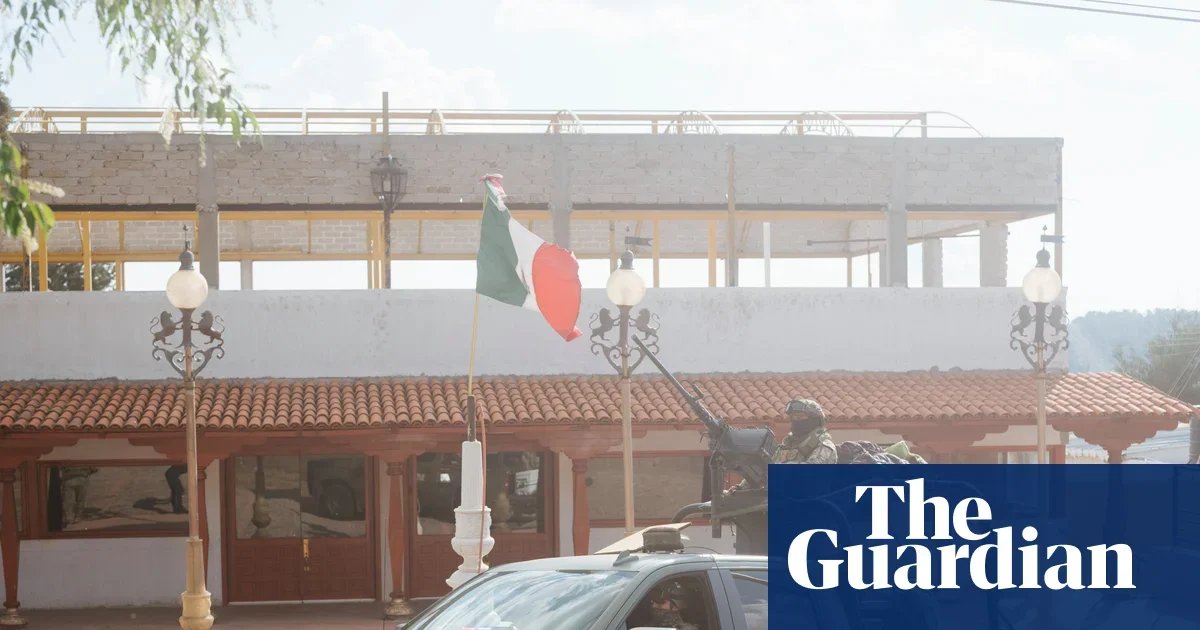
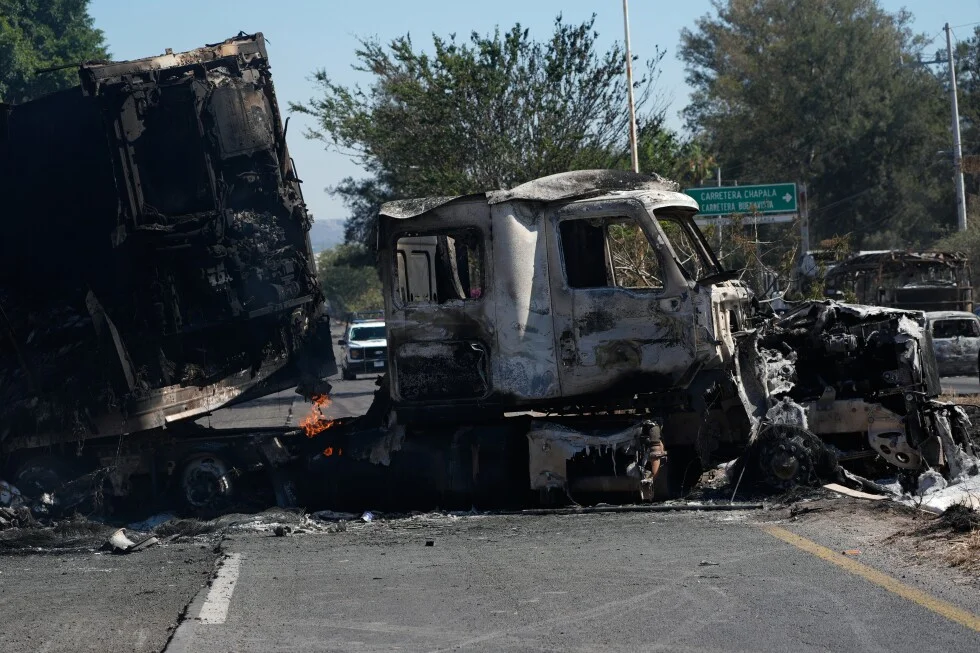
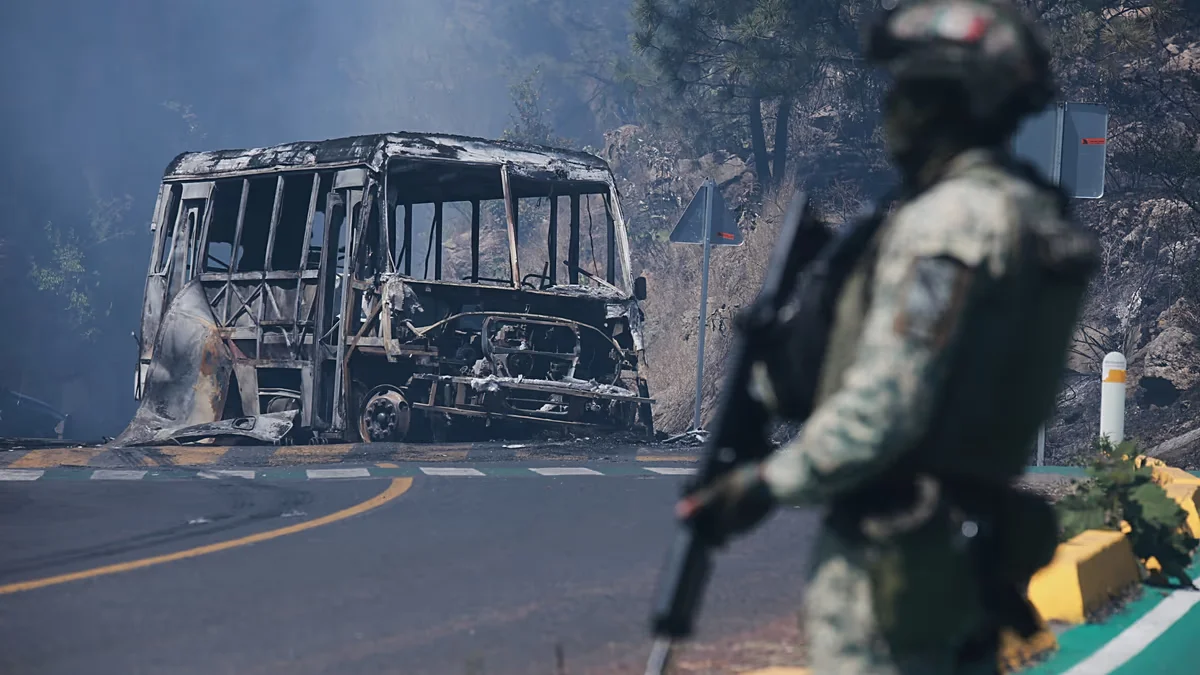
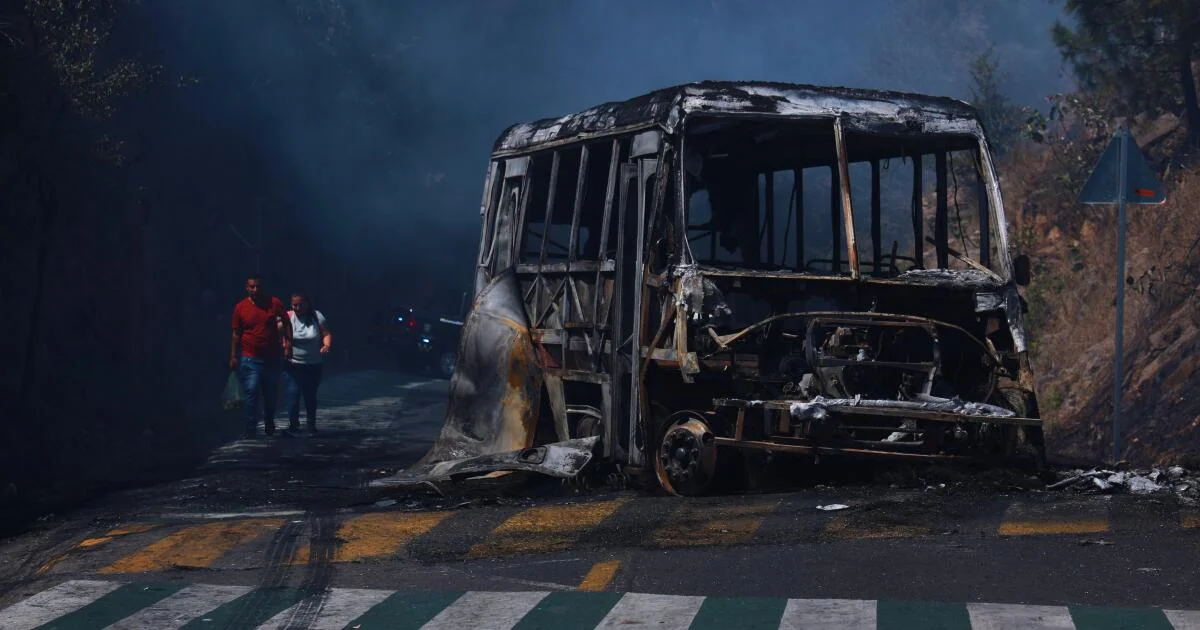
Mexican security forces killed cartel boss Nemesio Oseguera Cervantes, aka El Mencho, after tracking him to a lodge near Tapalpa, Jalisco; the operation sparked hours of gun battles, arson and road blockades across western Mexico, with more than 60 people killed in the wider violence. Guardian reporters later visited Tapalpa and found two alleged hideouts linked to El Mencho amid a town still marketed to tourists, highlighting the eerie contrast between tourism imagery and narco unrest. While his death is a major blow to the CJNG, experts warn that violence tied to Mexico’s drug trade is unlikely to end soon.
After the army killed Nemesio Oseguera Cervantes, aka El Mencho, violence erupted in about 20 states with more than 70 killed, but the internet also flooded with AI-generated disinformation—fake videos and posts about airports seized or people hostage—fueling fear as residents sheltered in place. Officials logged 200–500 problematic posts since Sunday, with 35–40% lacking context, ~25% misleading, and ~25% AI-manipulated, some surpassing 100,000 views. Experts say cartels are becoming tech-savvy and weaponizing misinformation, while authorities and the U.S. embassy work to debunk.
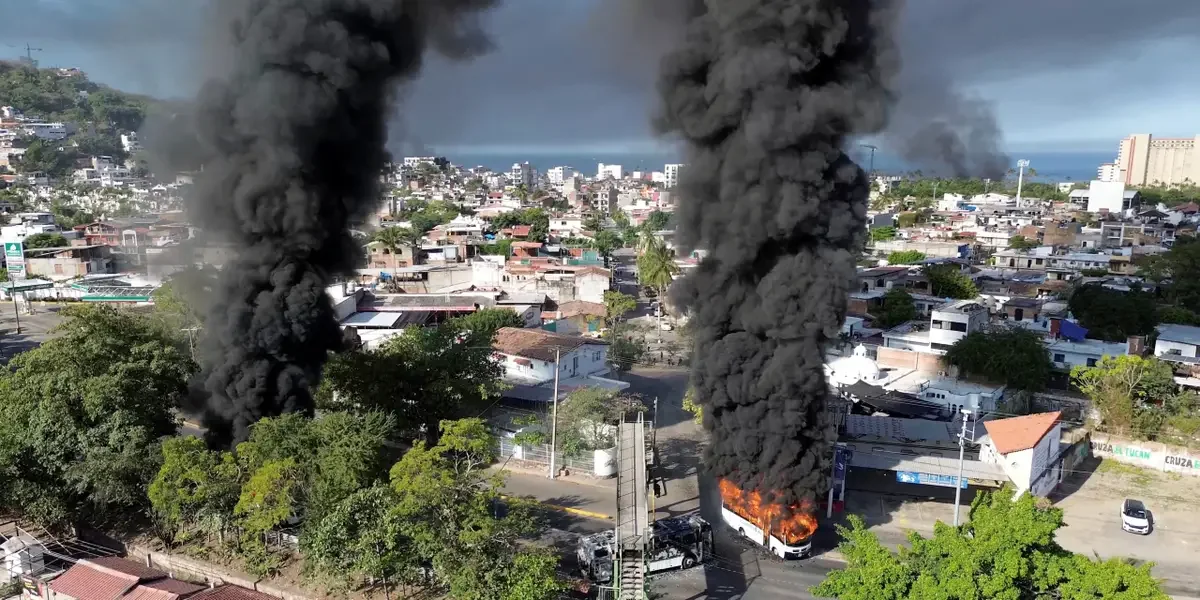
After cartel boss El Mencho was killed in Jalisco, violence led to roadblocks and arson, prompting US and UK travel advisories to shelter indoors in areas like Puerto Vallarta and Guadalajara. Some international flights to Puerto Vallarta and Guadalajara were disrupted or rescheduled, though airports remain open and others (Baja California, Quintana Roo, Oaxaca) reported normal operations as authorities coordinate with security forces. Airlines have waived change fees in some cases, and travelers should stay alert and follow local guidance, as the situation can evolve.
An American expat and her husband are sheltering in Puerto Vallarta for a three‑month stay as cartel violence leads to road blockades, fires, and intermittent water outages; she monitors events via social media and expat networks, notes disruptions to transit and local businesses, worries about workers missing pay, and emphasizes feeling relatively safe in her building while urging caution against misinformation.
Mexican special forces killed Nemesio 'El Mencho' Oseguera Cervantes, leader of the Jalisco New Generation Cartel, in a raid that tracked his hideout; the operation provoked widespread retaliation with cartel gunmen torching cars and blocking roads across about 20 states, killing 25 National Guard members and 34 criminal suspects, plus a prison guard, an agent from the prosecutor’s office and one civilian. The violence prompted school closures and travel disruptions; officials tout the operation as demonstrating state power, but analysts warn the turmoil may persist as cartels vie for control.
Mexico's army killed Nemesio Oseguera Cervantes, known as El Mencho, leader of the Jalisco New Generation Cartel, during an operation in Jalisco. The death marks a major blow to one of the world’s most powerful cartels and has been followed by a wave of violence nationwide, including arson and disrupted daily life. Analysts warn a power vacuum could unfold as rival factions vie for control, with potential implications for security cooperation with the United States, though the long-term effects remain unclear.