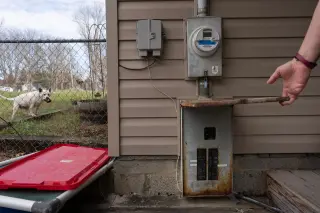
A federal report shows utility companies shut off electricity 13.4 million times and gas 1.7 million times in 2024, signaling high financial distress among U.S. households, with disconnections concentrated in the South and consumer groups calling for protections against rate hikes and shutoffs.
The surge in demand for electricity, particularly from AI datacenters, is posing a challenge for utilities in the US. Brian Janous, co-founder and chief strategy officer at Cloverleaf Infrastructure and former energy-focused hire at Microsoft, discusses the implications of this growth and how utilities can meet the increasing demand. The conversation includes considerations such as building more gas plants, optimizing existing infrastructure, the politics of AI datacenters, and the impact on the net-zero commitments of major tech companies.
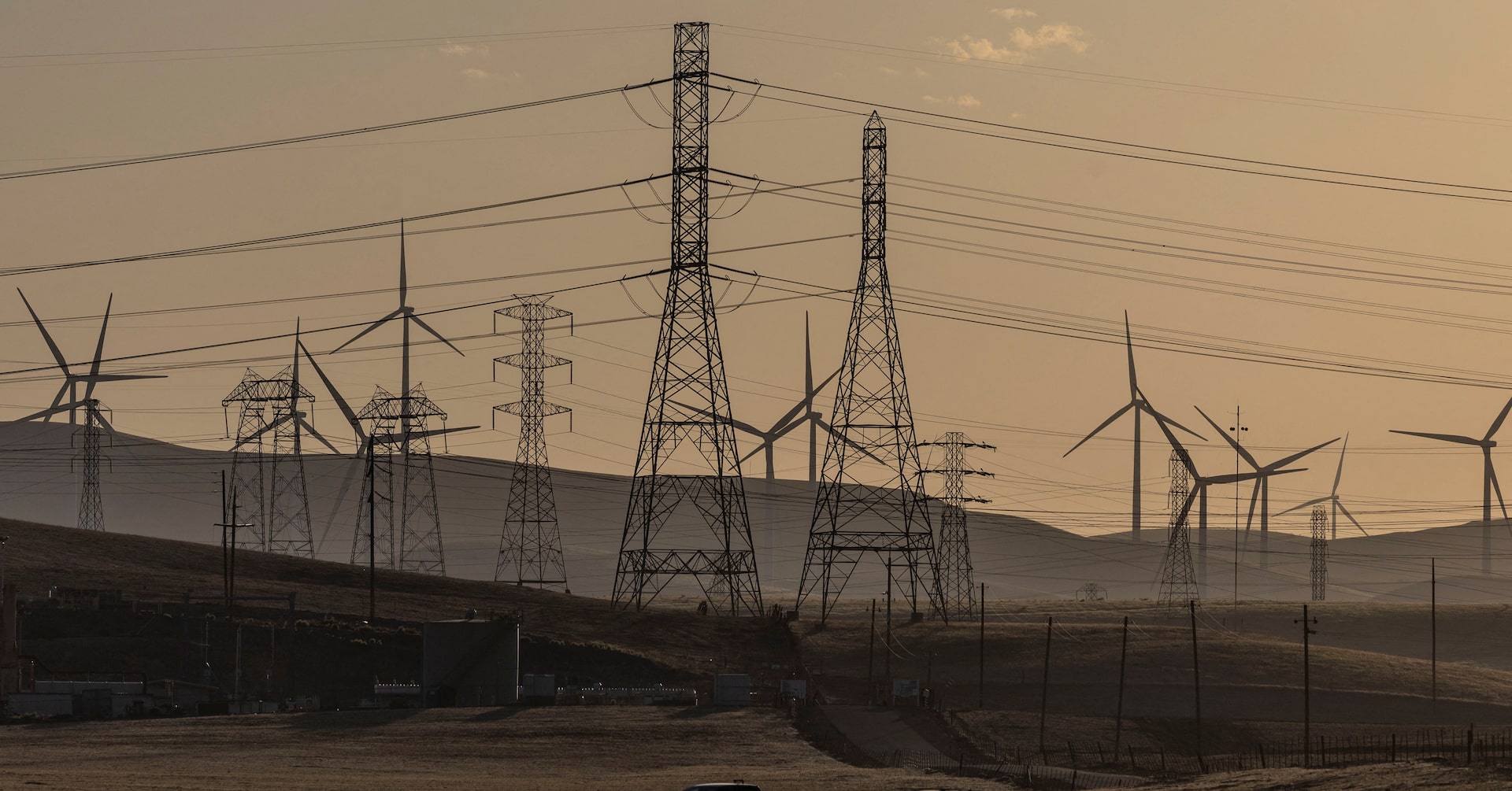
U.S. electric utilities are preparing for a significant surge in power demand driven by data centers, particularly those supporting generative AI technology. The rapid growth in electricity consumption from these facilities is expected to triple globally, leading to concerns about the industry's ability to respond to the increased demand due to a backlog of power generation and transmission projects. Some state legislators are also scrutinizing the strain on power grids and environmental impact caused by data centers, posing potential threats to electricity demand in certain regions.
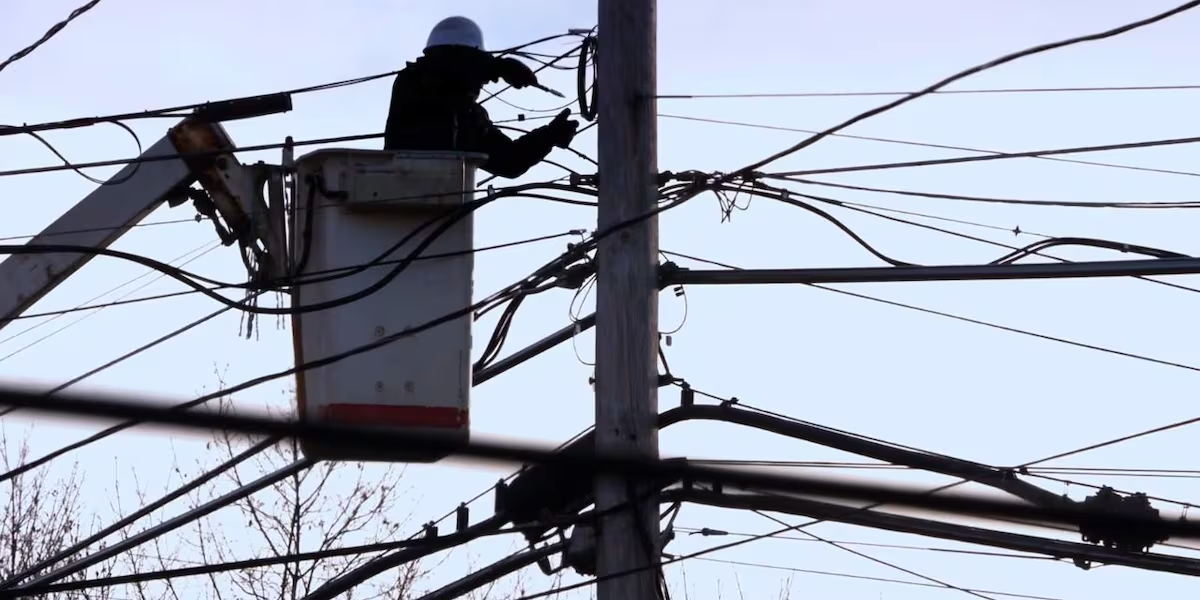
More than 54,000 electric customers are without power in the Lowcountry as a powerful storm system brings strong winds, with Dominion Energy reporting over 35,000 outages in Charleston, Dorchester, Beaufort, Colleton, and Orangeburg counties. Other electric cooperatives also reported thousands of outages across the region. A tornado watch is in effect for most of South Carolina, including the Lowcountry, until 6 p.m.
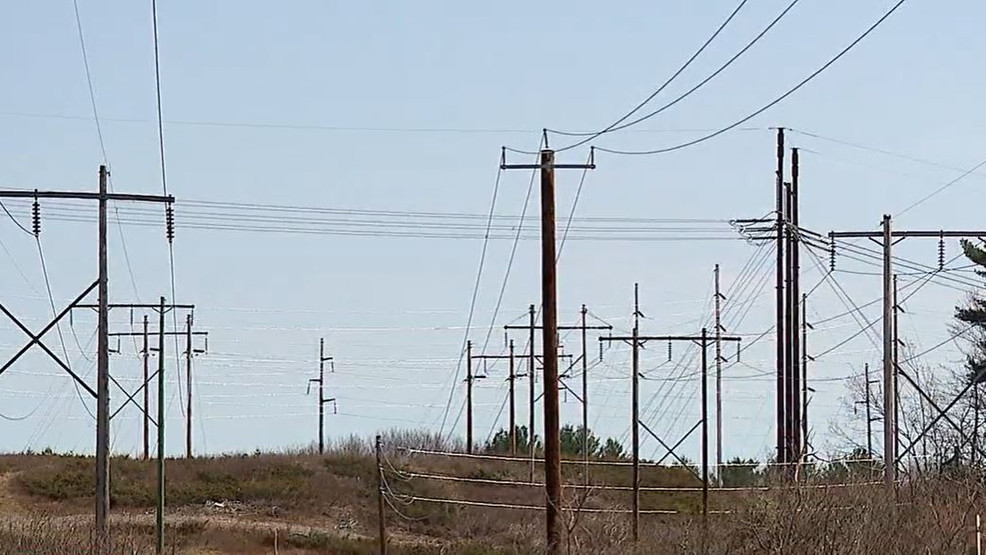
Mainers are preparing to vote on a groundbreaking proposal to replace the state's two largest electric utilities, Central Maine Power and Versant Power, with a nonprofit utility called Pine Tree Power. The referendum aims to create a utility that is accountable to ratepayers rather than corporate shareholders, potentially leading to lower costs, increased investments in the grid, and improved performance. While supporters argue that the existing utilities have low customer satisfaction and high electricity rates, critics express concerns about potential politicization of the power grid and uncertainties surrounding the buyout process. If successful, this move could set a precedent for other communities considering similar actions against investor-owned utilities.