Tag

Emerging Infectious Diseases

All articles tagged with #emerging infectious diseases

China Identifies New Tick-Borne Virus Linked to Severe Fever and Fatality
health2 months ago

China Identifies New Tick-Borne Virus Linked to Severe Fever and Fatality

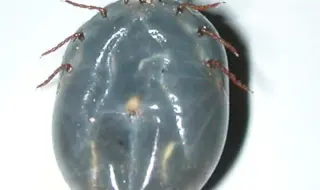
Researchers in China have identified a novel tick-borne virus named Asian longhorned tick nairovirus (ALTNV), which causes flu-like symptoms including fever and fatigue. Published in the New England Journal of Medicine, the study found that ALTNV circulates in areas endemic for Dabie bandavirus (DBV), a related virus with a high mortality rate. While ALTNV infections alone resulted in full recovery, co-infection with DBV was associated with higher rates of kidney impairment and respiratory symptoms, with a 18.4% mortality rate among co-infected patients. The discovery highlights the need for better diagnostic differentiation between these viruses in Asia.

Global Lab Data Confirms Rapid Spread of Drug-Resistant Ringworm Fungus
health2 months ago

Global Lab Data Confirms Rapid Spread of Drug-Resistant Ringworm Fungus

A new study using global mass spectrometry data confirms that Trichophyton indotineae, a drug-resistant fungus causing severe ringworm, is spreading rapidly across 29 countries. Identifications tripled between 2022 and 2025, with the highest concentration of cases in Europe. The fungus is resistant to common treatments and may also transmit sexually.

Tapeworm Mimics Brain Cancer in Spain Case Highlights Neurocysticercosis
health5 months ago

Tapeworm Mimics Brain Cancer in Spain Case Highlights Neurocysticercosis

A 60-year-old Spanish man with headaches was initially diagnosed with metastatic brain cancer after imaging, but comprehensive testing found no primary tumor. MRI revealed cysts in the brain containing tapeworm tissue, diagnosing neurocysticercosis caused by Taenia solium. He recovered after treatment with antiparasitics (albendazole and praziquantel) and steroids. The case suggests possible local transmission in non-endemic settings and underscores that NCC can mimic cancer, so differential diagnosis should include parasitic infections even if travel history is absent to prevent unnecessary invasive cancer procedures.

"Intensive Farming Linked to Higher Pandemic Risk, Study Finds"
health-and-environment2 years ago

"Intensive Farming Linked to Higher Pandemic Risk, Study Finds"

A study led by the University of Exeter warns that intensive farming may increase the risk of emerging infectious diseases (EIDs) due to social, economic, and political factors. While traditionally thought to reduce zoonotic disease risks through better control and biosecurity, the study highlights that real-world conditions, such as damaged infrastructure and wildlife intrusion, can undermine these measures. The research calls for a broader consideration of socio-cultural impacts on planetary health, environmental sustainability, and animal welfare.

Peruvian Man Infected with Unexplained Mystery Virus
health3 years ago

Peruvian Man Infected with Unexplained Mystery Virus

A 20-year-old man in Peru has been infected with a mysterious virus that cannot be explained by mutation. The virus, believed to have emerged from the Peruvian jungles, was identified as a variant of the phlebovirus. Symptoms of the infection include fever, chills, muscle and joint pain, and severe headaches. The virus is thought to circulate in jungles in central Peru and may be transmitted by sand flies, mosquitoes, or ticks. Health officials are calling for increased surveillance to identify and monitor emerging viruses in the region.

Invasive Brain-Hopping Worm Spreads in US Region
health3 years ago

Invasive Brain-Hopping Worm Spreads in US Region

A study by the Centers for Disease Control and Prevention has found that a parasite known as rat lungworm, typically found on rats and slugs, is becoming more widespread in the southeastern U.S., raising concerns about an increased risk to humans. The parasite can infect humans and animals through various pathways in the food chain, potentially leading to severe neurological dysfunction or even death. While the worm cannot complete its life cycle in humans, there is currently no specific test or treatment for these infections. The study suggests that the species is invading new territories, having originally been native to parts of Asia.

Groundbreaking Surgery: Doctors Successfully Remove Parasitic Worm from Woman's Brain
health3 years ago

Groundbreaking Surgery: Doctors Successfully Remove Parasitic Worm from Woman's Brain

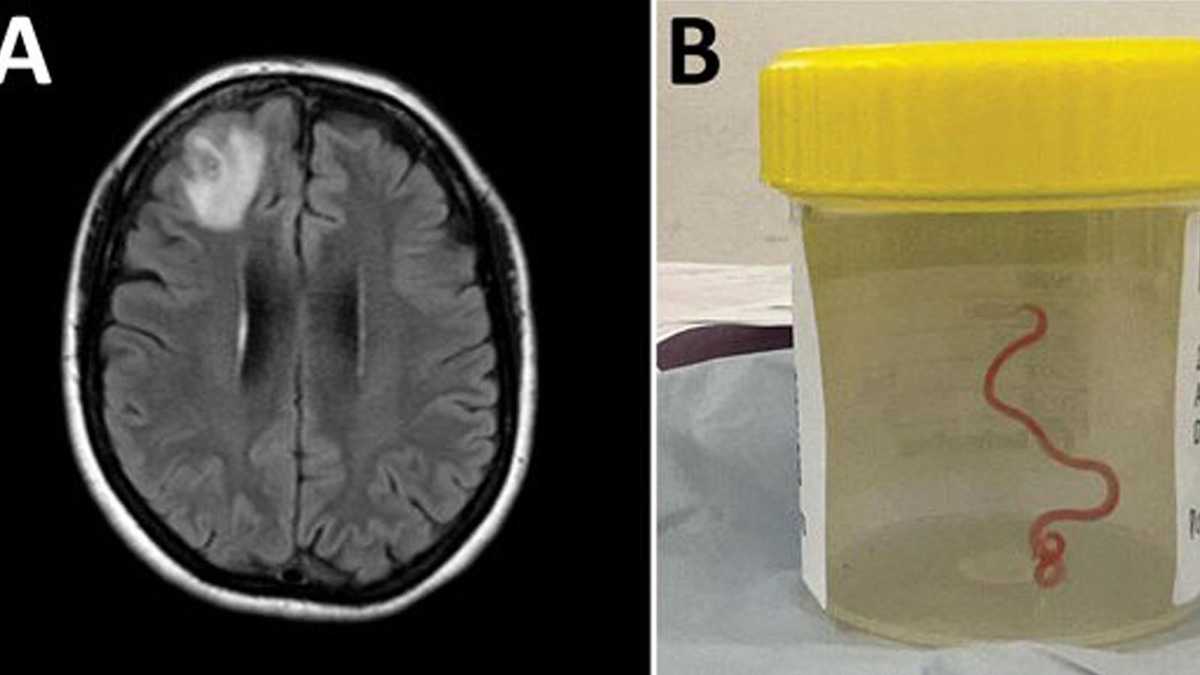
Surgeons at Canberra Hospital in Australia removed a 3-inch parasitic worm from a woman's brain during a biopsy procedure. The worm, identified as the larva of an Australian native roundworm called Ophidascaris robertsi, was not previously known to be a human parasite. The patient had been experiencing symptoms such as forgetfulness and depression, and scans revealed changes in her brain. After the worm was removed, the patient's symptoms improved but persisted. Scientists believe she may have consumed the worm's eggs from contaminated vegetation or her hands. The case was published in the journal Emerging Infectious Diseases.

Leprosy Resurgence in Florida Sparks Concern
health3 years ago

Leprosy Resurgence in Florida Sparks Concern

Clinicians warn that leprosy, also known as Hansen's disease, may now be endemic in Florida based on growing evidence. A recent case of a 54-year-old man from Florida who presented with a painful and progressive rash and was diagnosed with leprosy has raised concerns. Contact tracing by the National Hansen's Disease Program revealed no associated risk factors, such as travel, zoonotic exposure, occupational association, or personal contacts. Clinicians emphasize the need for heightened awareness and vigilance among healthcare professionals in Florida.