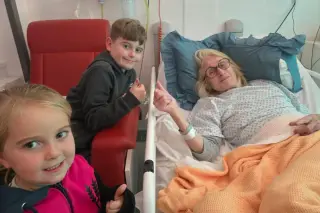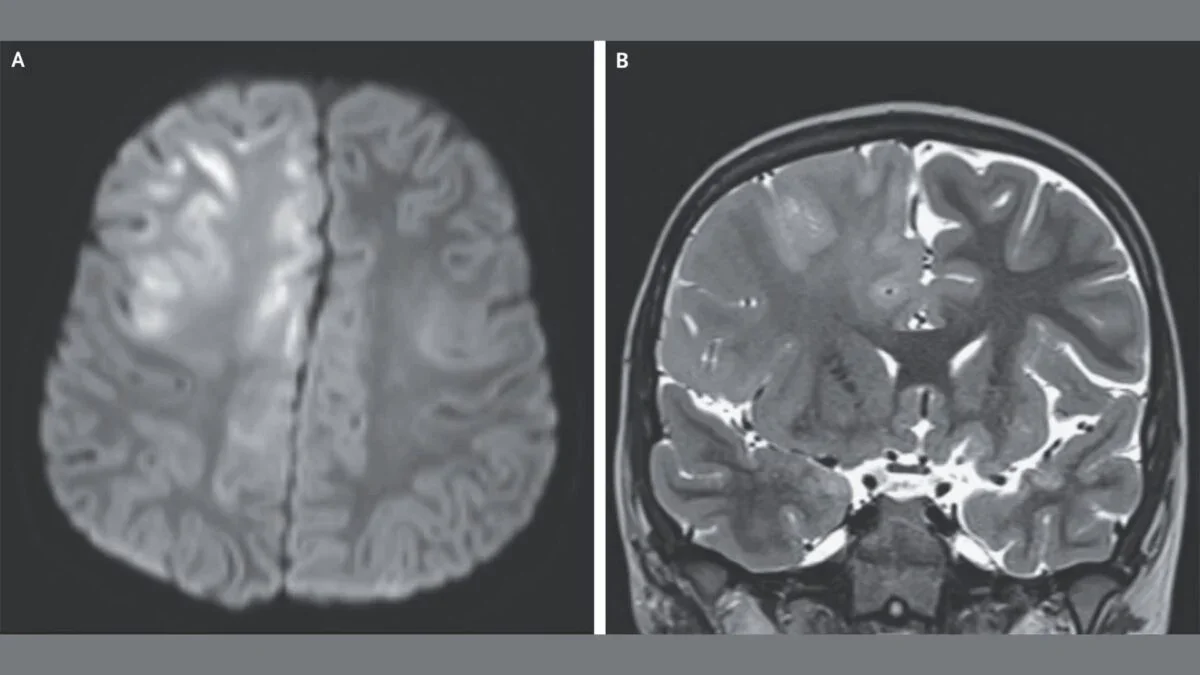
A grandmother was told she had a urinary tract infection, but her condition turned out to be encephalitis, a serious brain infection. The case highlights how encephalitis symptoms can mimic a UTI, underscoring the need for thorough evaluation to avoid dangerous delays in diagnosis.
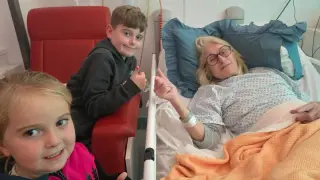
A 74-year-old woman from Wales developed encephalitis caused by herpes simplex virus type 1 (HSV‑1), leading to a 12‑week hospital stay and long‑term brain injury. Doctors note that rapid diagnosis and antiviral treatment within 48 hours can reduce damage, and the family is urging others to watch for early warning signs of encephalitis.
The Independent tells the story of Tom Frith, who spent two days on a trolley in Leighton Hospital’s overrun A&E; his wife says an MRI that could have detected a deadly brain condition was refused because it was the weekend, and weeks later he died from encephalitis, highlighting serious NHS emergency-care delays and patient-safety concerns.
A rare, fatal form of measles-related brain disease (SSPE) can emerge years after infection; a 7-year-old who contracted measles as an infant developed seizures and cognitive decline and died, illustrating the continued risk amid U.S. outbreaks and underscoring vaccination as the primary prevention.
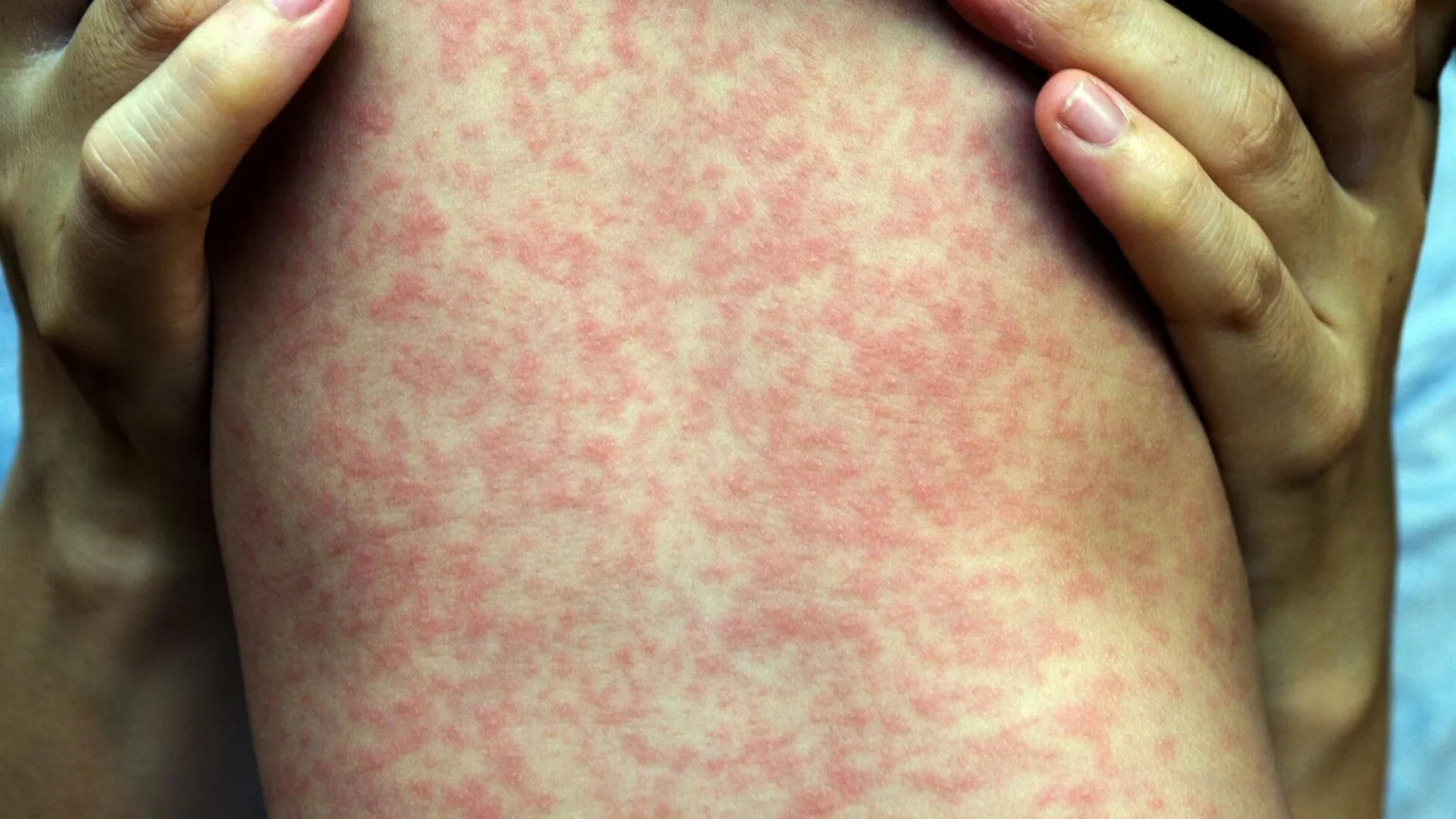
South Carolina’s measles outbreak has grown to about 876 current cases (nearly 900 since last October) with at least 19 hospitalizations, including children who developed encephalitis; nationwide, outbreaks total around 3,000 cases and three deaths, underscoring the need for higher vaccination to protect vulnerable groups and curb transmission.
South Carolina’s measles outbreak has reached 876 cases, mostly among unvaccinated children, with dozens under five affected. Health officials report cases of encephalitis, a dangerous brain inflammation that can cause seizures, developmental delays, or death; measles encephalitis carries a mortality risk of about 10–15% in children. Pneumonia and multiple hospitalizations have also been observed. Officials note that roughly 95% of cases are in unvaccinated individuals and credit rising vaccination efforts for a recent uptick in immunizations. They stress the importance of the MMR vaccine, which provides strong protection after two doses, and urge continued vaccination to protect vulnerable groups from serious complications and misinformation-driven hesitancy.
South Carolina’s measles outbreak has reached 876 cases (700 this year); some children developed encephalitis, a rare but serious brain inflammation that can cause seizures and long-term neurologic issues. There have been 19 measles-related hospitalizations in the state. Vaccination efforts surged in January, the best month so far, as officials warn that declining vaccination rates fuel the resurgence and raise future risks like SSPE years after infection.
A Nipah virus outbreak in India's West Bengal has prompted heightened health screening and alerts across Asia. Nipah is a highly fatal, zoonotic virus with transmission from animals, contaminated foods, and limited human-to-human spread; there is currently no vaccine, though a treatment (m102.4) is in early trials. The immediate public health risk remains low for regions outside the affected area, but authorities are closely monitoring cases.
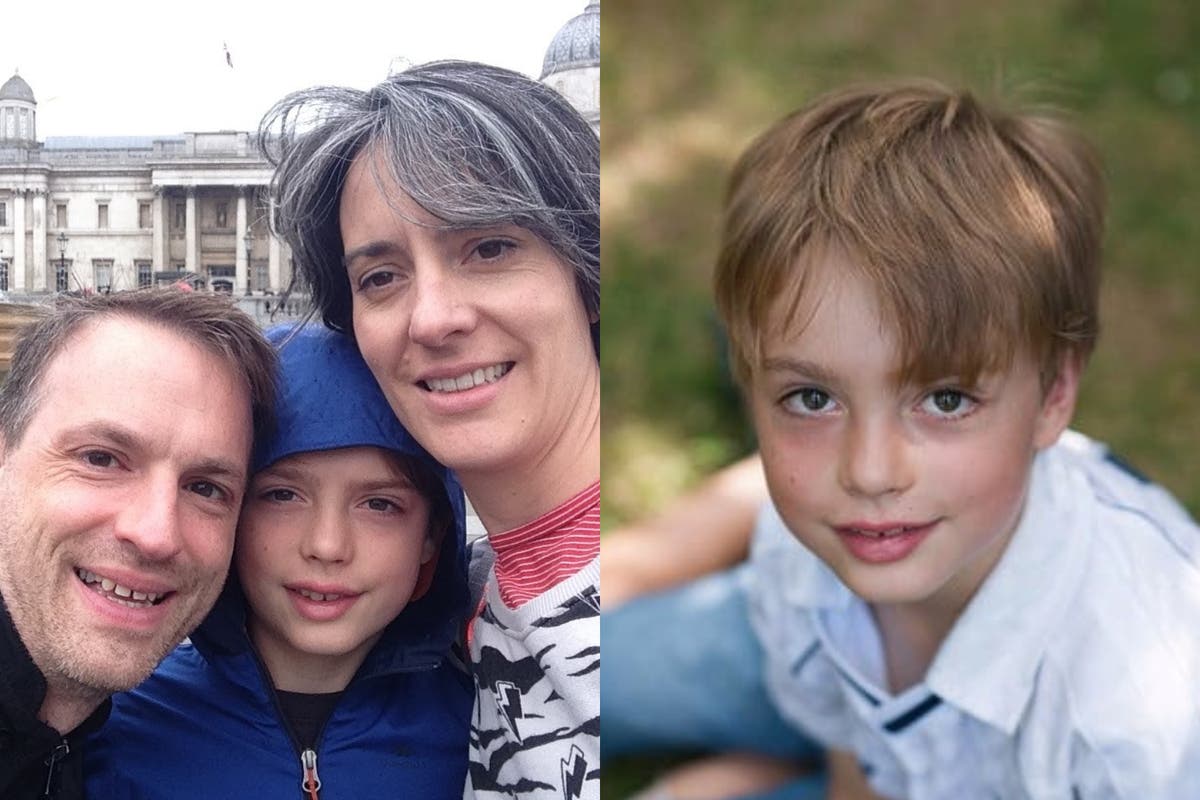
A couple from London, Louise and Richard Taylor, are urging doctors and parents to educate themselves on the symptoms of encephalitis after losing their eight-year-old son, Henry, to the brain condition. Henry's symptoms, including confusion and short-term memory loss, were not recognized as encephalitis-related by healthcare professionals prior to his death. The couple hopes to raise awareness of encephalitis and save lives by sharing their story and encouraging medical professionals to learn about the symptoms and causes of the condition.
A teenager's pregnancy led to a life-threatening medical mystery as she experienced severe symptoms including headaches, hallucinations, and bizarre behavior. After weeks of misdiagnoses, doctors discovered she had anti-NMDA receptor encephalitis, a rare and life-threatening disease. With limited guidance on treating the condition during pregnancy, her mother made the difficult decision to end the pregnancy to save her daughter's life. Following the procedure, the teenager made a stunning recovery and is now working and studying. She later became pregnant again and successfully gave birth to a healthy baby, affirming her mother's difficult decision.
Shane MacGowan, the frontman of The Pogues known for hits like "Fairytale of New York," has passed away at the age of 65. He had been diagnosed with encephalitis and had a history of struggles with drugs and alcohol. MacGowan's wife expressed her deep love and loss, while friends and fellow musicians paid tribute to his talent and influence. MacGowan's music connected Irish people to their culture and history, and he was hailed as a lyrical genius and a poet.
A horse in Schuyler Falls, Clinton County, has tested positive for the Eastern Equine Encephalitis (EEE) virus, marking the second case of the virus in northern New York this summer. EEE is a rare but serious virus transmitted by mosquitoes that can cause inflammation of the brain. While there have been no human cases reported in New York so far in 2023, it is important to protect oneself from mosquito bites as there are no medications to prevent or treat EEE virus infections in humans.
A mosquito sample in Wethersfield, Connecticut, has tested positive for the Jamestown Canyon (JC) Virus, a mosquito-borne disease that can cause severe illness such as encephalitis. Symptoms include fever, headache, and fatigue. There is currently no vaccine available. Health officials recommend using mosquito repellent, wearing protective clothing, eliminating standing water, and avoiding mosquito-prone areas during peak activity times.
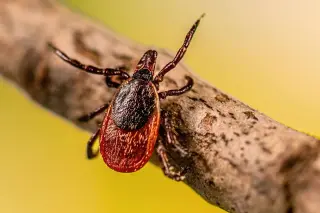
Four people in Connecticut have tested positive for the Powassan virus, a tick-borne illness that can cause severe illness such as encephalitis. The virus is primarily transmitted by the black-legged tick, which is also associated with Lyme disease. There are currently no vaccines or medicines available to prevent or treat Powassan virus disease.
A second horse in St. Lawrence County, New York, has tested positive for eastern equine encephalitis (EEE), a virus transmitted by mosquitoes that can cause inflammation of the brain. Health officials urge horse owners to consult a veterinarian about vaccinating their horses against EEE.