Tag

Elderly

All articles tagged with #elderly

Fatal sunbed dispute leaves man dead on Athens beach
world18 days ago

Fatal sunbed dispute leaves man dead on Athens beach

An argument over a sunbed at Akti Vouliagmenis beach in Athens left an 82-year-old man dead from cardiac arrest after a confrontation with a 76-year-old man; the latter was arrested for suspected fatal bodily injury and the accompanying 21-year-old woman was released. The incident highlights Greece’s ongoing sunbed disputes amid tourism growth, with authorities using drones, satellite imagery and the MyCoast app to target illegal sunbeds and enforce rules requiring most of the beach to be unobstructed and sunbeds set back from the shoreline.

Short-Term Diet Shifts Cut Aging Biomarkers in Older Adults
health23 days ago

Short-Term Diet Shifts Cut Aging Biomarkers in Older Adults

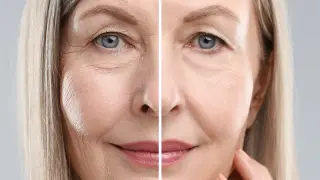
A four-week trial in Australians aged 65–75 found that reducing dietary fat or animal-based protein lowered estimated biological age, as measured by 20 biomarkers, with three of four diet patterns showing age-related biomarker reductions and the strongest effect in an omnivorous high-carbohydrate plan. Researchers caution that these results are preliminary, and it remains unknown whether the changes persist long-term or reduce aging-related disease risk.

Older Pedestrians Pay a Higher Price in Car Crashes
public-health29 days ago

Older Pedestrians Pay a Higher Price in Car Crashes

Older pedestrians (65+) are not more likely to be injured in crashes than younger people, but they are far more likely to die due to frailty, slower perception and reaction, and greater outdoor exposure. The rise of larger vehicles, e-bikes, and alcohol in crashes compounds risk. Experts urge system-wide safety upgrades—such as better street design, lighting, signal timing, and lower speeds—guided by Vision Zero to better protect aging pedestrians.

Statins curb major cardiovascular events in seniors but leave disability-free years unchanged
heart-health1 month ago

Statins curb major cardiovascular events in seniors but leave disability-free years unchanged

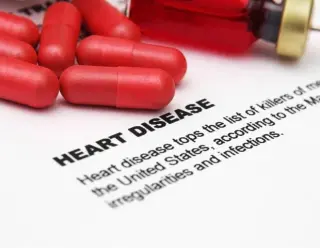
In the STAREE trial, 9,971 Australians aged 70+ without prior cardiovascular disease or dementia were randomized to atorvastatin 40 mg daily or placebo. Over a median 5.9 years, atorvastatin reduced major cardiovascular events by 30% (6.0% vs 8.3%; HR 0.70, 95% CI 0.61-0.82) but did not significantly improve disability-free survival, suggesting statins lower event risk in older adults without known CVD but may not extend healthy years.

Statin therapy lowers major cardiovascular events by 30% in older adults without prior CV disease
health1 month ago

Statin therapy lowers major cardiovascular events by 30% in older adults without prior CV disease

In the STAREE trial, about 9,971 adults aged 70+ without cardiovascular disease or diabetes who were randomized to atorvastatin 40 mg daily had a 30% lower risk of major cardiovascular events over a median follow-up of 5.9 years versus placebo, driven largely by fewer nonfatal myocardial infarctions and fewer revascularizations. There was no significant improvement in disability-free survival (death, dementia, or persistent disability), LDL cholesterol fell substantially in the statin group, and adverse events were more common but serious events were rare. The findings support statin use for primary prevention in some healthy older adults but may not apply to frail or multimorbid individuals.

Healthy seniors over 70 may gain protection from daily statins, trial shows
health1 month ago

Healthy seniors over 70 may gain protection from daily statins, trial shows

A world-first randomized trial in nearly 10,000 Australians over 70 without prior heart disease found that daily statin use reduced the risk of a first major cardiovascular event by 30% over about six years, with one event prevented for every 37 people treated. The study, published in the New England Journal of Medicine and presented at the European Society of Cardiology Congress, suggests older adults should discuss statin therapy with their GP; side effects were low and dementia risk did not increase, but adherence was an issue and results may not generalize to all populations.

Heat, Confusion and Quick Cooling: An Elderly Man's Close Call
health1 month ago

Heat, Confusion and Quick Cooling: An Elderly Man's Close Call

An 82-year-old man became briefly unable to form words after five hours in extreme heat. Dr. Roach warns heatstroke is a medical emergency requiring rapid cooling (cold water immersion or similar) and fluids; dehydration from drinking only water can lower sodium and cause mental confusion, so electrolyte-containing drinks are important. The episode may warrant medical evaluation for kidney/muscle issues or thyroid problems, and pacemaker data should be checked. Prevention focuses on avoiding prolonged heat, cooling promptly, and staying hydrated with electrolytes.

Climate warming makes extreme heat disproportionately deadly for seniors, Stanford study finds
health1 month ago

Climate warming makes extreme heat disproportionately deadly for seniors, Stanford study finds

A Stanford study finds older adults reach uncompensable heat stress at lower temperatures than younger people, meaning more people—especially those over 60 in lower-income regions—face dangerous heat for hundreds of hours annually as temperatures rise. The research urges urban cooling, cooling centers, broader access to air-conditioning, and sustained emissions reductions to limit long-term warming.

Stopping Statins at 75: French Trial Suggests Possible Safety for Healthy Seniors
health1 month ago

Stopping Statins at 75: French Trial Suggests Possible Safety for Healthy Seniors

A French randomized trial in healthy adults around age 80 found that stopping statins at age 75 did not worsen three-year outcomes compared with continuing them; LDL rose after stopping, but death rates and major cardiovascular events were similar and quality of life remained unchanged. The findings may apply only to low-risk, healthy elderly populations and should not change practice broadly; decisions should be individualized and confirmed with longer follow-up and diverse populations.

Three 10-Minute Tasks Could Boost Aging Brains
health2 months ago

Three 10-Minute Tasks Could Boost Aging Brains

A Virginia study with over 100 adults aged 59+ tested a 12-week routine of three daily 10-minute tasks—reading aloud, handwriting, and simple math—to engage multiple cognitive pathways. The group showed a modest improvement on a brief cognitive assessment and better memory recall, with community-dwelling seniors benefiting more than those in retirement homes, suggesting that simple, varied mental activities can help maintain cognitive health as we age.

New York warns seniors about gold-bar scam that has swindled over $100 million
crime2 months ago

New York warns seniors about gold-bar scam that has swindled over $100 million

New York Attorney General Letitia James warned of a nationwide scam in which criminals use fake pop-ups and impersonate law enforcement to coerce older adults into withdrawing funds and delivering gold bars; victims are told to hand over cash and not discuss the breach. The scheme, which has led to losses of more than $100 million in New York over two years and has appeared in other states, relies on urgency and secrecy. The public is urged not to give remote access, not to call numbers from messages, to contact their banks, and to report suspicious activity to authorities.

Five+ Medications Linked to Higher Death Risk in Seniors
health2 months ago

Five+ Medications Linked to Higher Death Risk in Seniors

A University of Michigan study of 7,828 adults aged 65+ (1999–2016) found that taking five or more prescription meds—polypharmacy—was linked to a 38% higher overall mortality risk over ~8.5 years, with each additional drug adding about 7% risk. More than half the participants fell into at least one high-risk category (40% on 5+ meds, 37.6% on meds risky for older adults, 11.4% with major drug interactions). The total number of medications was the strongest predictor of death after accounting for health conditions. The findings could guide deprescribing, but limitations include observational design and a single 30-day medication snapshot, so causation can’t be proven.