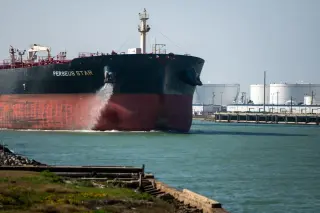
The global fleet of supertankers is facing a critical shortage, which threatens to disrupt long-haul oil shipments. This scarcity in specialized vessels could constrain the flow of crude from major producing regions to distant markets, potentially tightening supply chains and influencing energy prices. The situation highlights the fragility of maritime logistics for essential commodities.
ISW’s July 25 assessment says Putin used a meeting with Tokayev to defend continuing the Ukraine war and rejecting a frontline freeze, while Zelensky warned Russia is preparing involuntary mobilization and could be receiving about 30,000 North Korean troops. Russia is likely planning rolling partial mobilization ahead of the September 2026 Duma elections, with gasoline export bans extended through 2026 and fuel shortages persisting. Ukrainian strikes hit Russian energy, logistics, and military assets (including sites in Yekaterinburg, Tyumen, Rostov-on-Don, and Caspian targets), but no confirmed ground advances were reported on July 25. Belarus reported a fire at a missile-component plant in Minsk, and both sides continue a high-tempo drone/missile campaign with battles largely in the same sectors around Kharkiv, Donetsk, and Zaporizhzhia without major territorial shifts.