
Tag

Engine Efficiency

All articles tagged with #engine efficiency

Water-in-Diesel Emulsion Could Cut Diesel Emissions by Up to 67%
technology19 days ago

Water-in-Diesel Emulsion Could Cut Diesel Emissions by Up to 67%

A Nigerian study reviews Water-in-Diesel Emulsion (WiDE) technology, which evenly disperses tiny water droplets in diesel using surfactants to create micro-explosions that improve fuel-air mixing and lower combustion temperatures. Reported results across studies show NOx emissions dropping up to 67% and particulate matter up to 68%, with some gains in brake thermal efficiency. WiDE is presented as a practical, cost-effective way to reduce diesel pollution without engine redesigns, potentially complementing biodiesel and advanced emission controls, though more work is needed to optimize surfactant blends and assess long-term effects on engines.
Water-in-Diesel Emulsions Offer Big Emission Cuts Without Engine Redesign
technology4 months ago

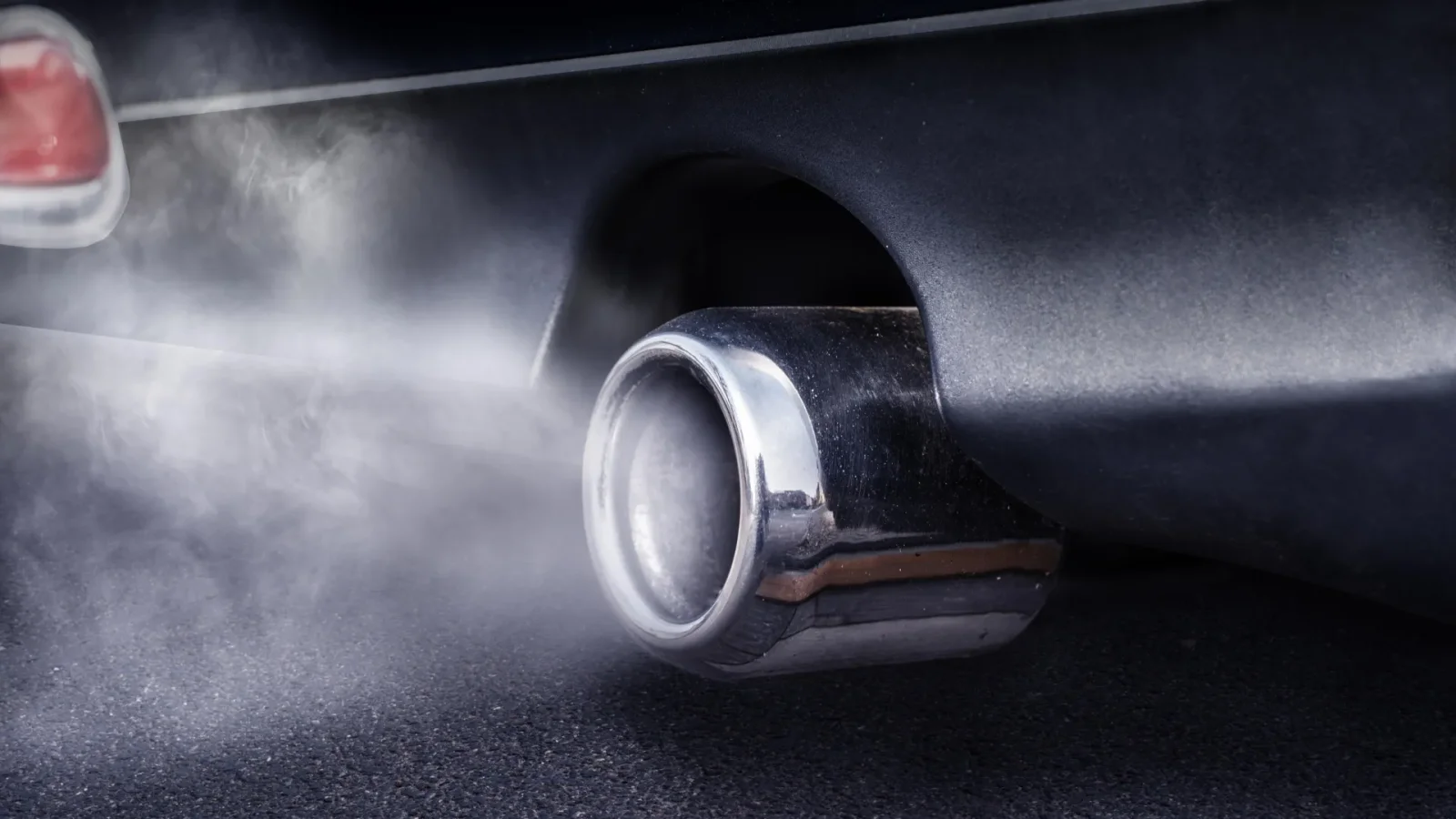
Water-in-Diesel Emulsions Offer Big Emission Cuts Without Engine Redesign

A review of Water-in-Diesel Emulsion (WiDE) technology finds that blending tiny water droplets into diesel fuel creates micro-explosions during combustion, improving fuel-air mixing and lowering peak temperatures. This can reduce nitrogen oxides by up to about 67% and particulate matter by up to about 68%, with potential boosts in engine efficiency, all without redesigning engines; stability relies on surfactants and optimized formulations, and further work is needed on long-term effects and best mixtures.

aviation3 years ago

Unveiling the Truth Behind Engine Limitations: Parts 1 and 2

Engine performance can be affected by various factors such as bleed air extraction, engine contamination, and exposure to harsh environments. Bleed air extraction for air conditioning and anti-ice can result in higher exhaust gas temperatures (EGT) and reduced thrust. Engine contamination from elements like ice, volcanic ash, sand, and dust can lead to erosion, reduced efficiency, and damage to turbine components. Chemical attack from sulfidation and corrosion can occur near salt water or high pollution areas. Engine manufacturers recommend proactive measures such as inlet barrier filters, engine washes, and inspections to mitigate these issues. Avoiding airborne contaminants and maintaining engine cleanliness are crucial for optimal engine performance and fuel consumption.