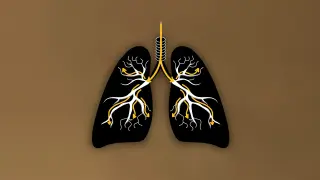
Heavy smoke from Canadian wildfires drifting into the U.S. carries toxic gases and fine particulates that can reach deep into the lungs, potentially worsening asthma and heart disease. The mix can become more toxic as it lingers, causing irritation and shortness of breath. Health officials urge monitoring air quality and taking steps to reduce exposure.
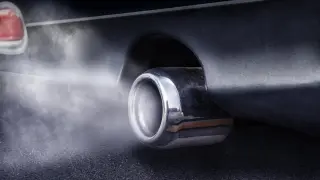
A Nigerian study reviews Water-in-Diesel Emulsion (WiDE) technology, which evenly disperses tiny water droplets in diesel using surfactants to create micro-explosions that improve fuel-air mixing and lower combustion temperatures. Reported results across studies show NOx emissions dropping up to 67% and particulate matter up to 68%, with some gains in brake thermal efficiency. WiDE is presented as a practical, cost-effective way to reduce diesel pollution without engine redesigns, potentially complementing biodiesel and advanced emission controls, though more work is needed to optimize surfactant blends and assess long-term effects on engines.
Wildfire smoke, which can travel over 1,000 kilometers, poses significant health risks including respiratory issues, heart problems, and potential impacts on brain health such as inflammation and cognitive decline. Vulnerable groups like children, the elderly, and those with pre-existing conditions should take precautions like staying indoors, using masks, and monitoring air quality.
Living in areas with high levels of particulate air pollution, specifically fine particulate matter (PM2.5), is associated with an increased incidence of breast cancer, according to a study conducted by researchers at the National Institutes of Health. The study, one of the largest to examine the relationship between outdoor air pollution and breast cancer, found that women who lived in areas with higher PM2.5 levels had a higher risk of developing breast cancer compared to those in areas with lower levels. The study suggests that air pollution, a ubiquitous exposure, may be related to breast cancer development.
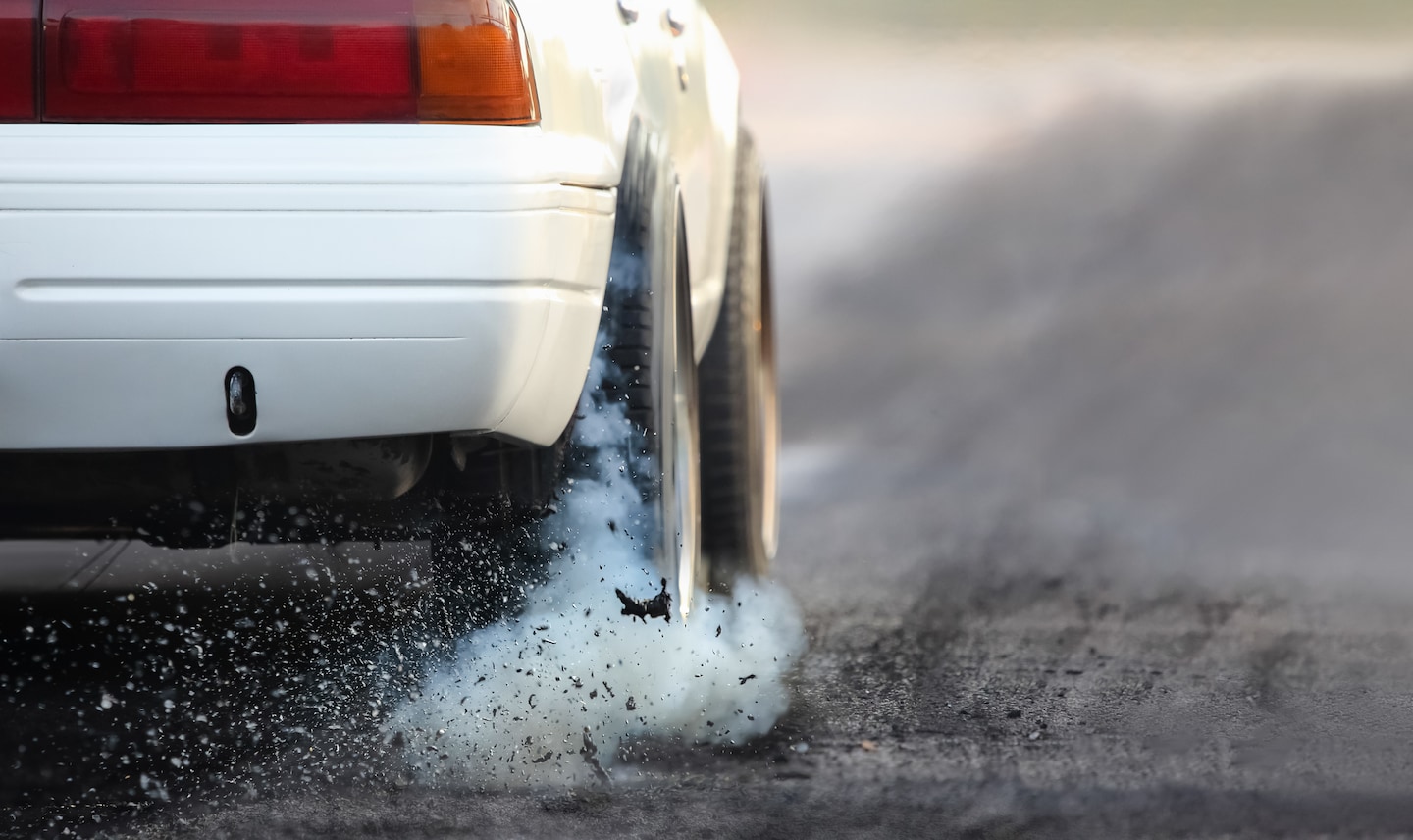
Scientists have found that wear and tear on tires and brakes are contributing to a significant amount of particulate pollution, surpassing the pollution from car exhaust systems. These particles, including fine and ultrafine particles, can enter our bloodstream and harm our organs. Unlike car tailpipe emissions, brake and tire emissions are not regulated, leading to unchecked pollution. Studies have shown that tires produce about 2,000 times more particle pollution than tailpipes, exceeding legal limits. The emissions consist of various compounds, including carcinogens and metals. As electric vehicles become more prevalent, the pollution from tires is expected to increase. Scientists suggest shifting tire materials to natural or non-fossil fuel sources, such as dandelions, to mitigate the environmental and health impacts.