A new study ties silica dust from engineered stone countertop fabrication to a surge in silicosis-related lung disease, reporting 31 deaths and nearly 600 illnesses, with about 65 lung transplants among cases, prompting calls for stronger workplace protections and regulatory action.
A California health study links crystalline silica exposure from engineered stone countertops to silicosis, reporting 31 deaths and nearly 600 illnesses, including 65 lung transplants, underscoring the need for tighter workplace protections for stone fabricators and construction workers.
A California public health study ties inhalation of crystalline silica dust from engineered stone countertops to silicosis, reporting 31 deaths and about 600 illnesses, including 65 lung transplants, underscoring the serious occupational risk for countertop fabricators and potential need for stronger workplace protections.
A California Department of Public Health study links silicosis from crystalline silica dust in engineered stone used for countertops to significant mortality and illness: 31 deaths and 65 lung transplants have been reported among affected workers, with nearly 600 ill, underscoring the need for stricter workplace protections for stone fabricators and construction workers.
A seven-year California study links silica dust from engineered stone to silicosis, locating 592 cases (2019–2026) with 65 transplants and 31 deaths; most patients were Latino men and the median age at diagnosis was 46. Although safety rules exist and silicosis became reportable in 2025, exposure persists with few inspections and widespread violations, prompting calls for stronger controls (and even a ban on engineered stone) alongside safer substitutes and improved surveillance.
Latino men who cut artificial stone countertops in California are developing silicosis, a deadly lung disease caused by silica dust. California public health data show a sharp rise in cases (hundreds since 2023) with dozens of deaths and many patients needing lung transplants. Experts are calling for stronger safety rules, and regulators have begun moving toward emergency measures to curb fabrication of engineered stone.
California’s engineered-stone countertop boom is driving a rapid silicosis outbreak among Latino men, with 571 cases reported in 2023–Aug 2026 (up from 47 in 2019–2022). Diagnoses skew younger (median age 46) and deaths occur earlier (median 52), with dozens undergoing or awaiting lung transplants. The San Fernando Valley is a hotspot, and exposure typically spans 16–25 years of work. Regulators have advanced tougher safety rules (SB 20, 2025) and emergency measures, but compliance remains inconsistent, fueling calls to stronger actions, including a potential ban on fabrication of engineered stone.
Two occupational health experts warn that engineered stone countertops (often marketed as quartz) expose workers to crystalline silica, fueling a growing silicosis crisis in the U.S. California has diagnosed more than 550 cases, with about 100 lung transplants and at least 30 deaths since 2019. Lawsuits against manufacturers and retailers are rising while enforcement remains under-resourced; global outbreaks have led to regulatory changes elsewhere, and calls mount for stricter rules or a US ban on crystalline silica–containing engineered stone.
California is considering banning the sale and installation of engineered quartz countertops to address a rising silicosis crisis among stone fabricators. While a 2024 rule tightened dry-cutting practices, health experts say it does not adequately protect workers, and a WOEMA petition asks regulators to ban the material, following Australia’s lead. The decision rests with the California Occupational Safety & Health Standards Board and could take years to implement; meanwhile industry groups argue that safety measures and amorphous silica alternatives render a ban unnecessary.
Engineered quartz countertop dust containing crystalline silica is driving a silicosis outbreak among U.S. countertop fabricators, with California reporting 519 confirmed cases and 29 deaths since 2019. Young workers, many in their 30s–40s, face irreversible lung damage and some require lung transplants. The rise has sparked lawsuits and a heated policy debate over manufacturer liability and OSHA protections, as lawmakers weigh bills to shield industry from civil suits. International experience from Israel and Australia shows the risk persists despite controls, and U.S. surveillance remains fragmented under current regulations.
A House Judiciary subcommittee examined H.R. 5437, a proposed bill that would shield artificial stone slab manufacturers from lawsuits over workers’ silicosis. Republicans framed it as protecting industry from abusive litigation, while Democrats warned that silicosis is a growing, preventable health crisis for workers. Experts cautioned that granting immunity could worsen injuries, citing California data showing widespread cases and urging stronger safety measures and OSHA enforcement. The debate underscores tensions between limiting litigation and safeguarding workers in the engineered-stone sector.
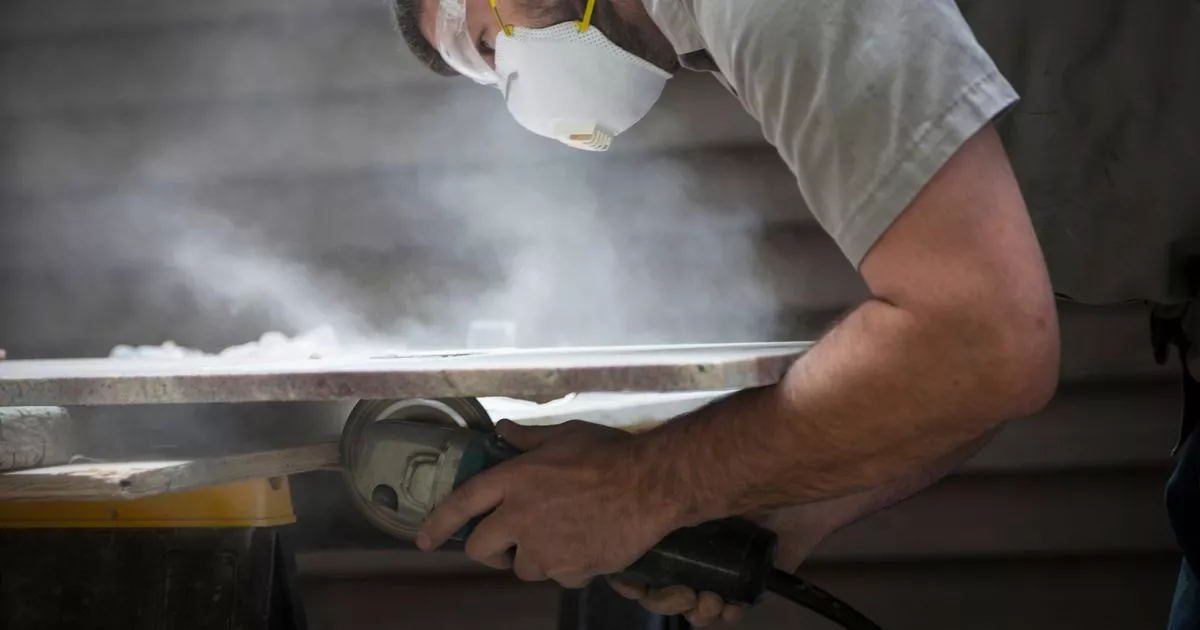
Silicosis, a lung disease caused by exposure to crystalline silica, is affecting young workers, particularly Latino immigrants, who are exposed to silica dust when cutting and grinding engineered stone countertops. Consumers can help address the issue by questioning safety standards used by manufacturers and opting for alternative countertop materials. Researching the product's impact on workers and choosing fabrication shops that sell refurbished countertops can also make a difference. Consumer demand can drive improvements in product safety and encourage stronger safety enforcement.
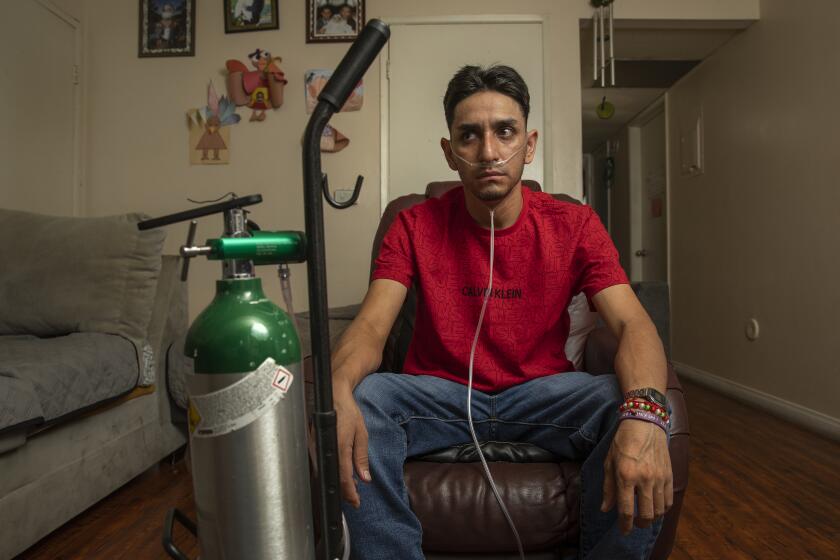
Young Latino workers in California's Pacoima region are being affected by an incurable lung disease called silicosis, caused by exposure to hazardous levels of silica dust while cutting and grinding engineered stone countertops. This severe disease, traditionally associated with older workers, is now affecting individuals in their 20s, 30s, and 40s, with some receiving terminal diagnoses. Efforts are being made to raise awareness and improve workplace safety, including the consideration of banning high-silica content engineered stone. However, there is debate within the industry regarding safety measures and the suitability of the product.
Workers in California's stone fabrication industry, particularly those cutting and polishing engineered stone countertops, are being afflicted by an accelerated form of silicosis, an incurable and suffocating lung disease caused by inhaling crystalline silica particles. The disease, which typically affects older individuals, is now striking men in their 20s, 30s, and 40s, leaving them with a terminal diagnosis. The prevalence of silicosis among stone workers is estimated to be high, with up to 1 in 5 workers affected. California is drafting emergency rules to protect workers, and there are discussions about potentially banning the sale and installation of silica engineered stone. However, industry groups argue that adherence to safety measures is key, while advocates call for additional protections and awareness for workers.
California workplace regulators are expediting the development of new rules to protect countertop fabrication workers from inhaling toxic silica dust, which has led to a growing number of young men developing irreversible breathing problems. Silicosis, a deadly disease caused by inhaling crystalline silica particles, has been identified in dozens of mostly immigrant workers who cut and sand engineered stone to make countertops. The high silica content in these products has been linked to a more aggressive form of silicosis. Health professionals have urged the state board to act swiftly to save workers' lives, and a soft-spoken 27-year-old stonecutter suffering from silicosis pleaded for emergency measures to prevent others from getting sick. The proposed rules would prohibit dry-cutting the material and require employers to provide greater protections for workers. If the rules are not followed, the state may consider banning the use of engineered stone products altogether within a year.