Tag

Occupational Health

All articles tagged with #occupational health

Cosmic Radiation Linked to Higher Cancer Death Risk for Pilots and Flight Attendants
science12 days ago

Cosmic Radiation Linked to Higher Cancer Death Risk for Pilots and Flight Attendants

A JAMA Internal Medicine study analyzing nearly 13 million US deaths (2020–2024) across 503 occupations found pilots and flight attendants had the highest shares of radiation‑related cancer deaths, with flight attendants about 1.5 times and pilots about 1.36 times more likely to die from these cancers than workers overall. The pattern spanned multiple radiation‑linked cancers, but experts caution that this is an association, not causation, and important data such as cumulative flight hours, specific radiation doses, routes, and lifestyle factors were not available. The study underscores a need for better monitoring of occupational radiation exposure and long‑term research, rather than immediate changes to cancer screening guidelines.

Aircrew Face Elevated Radiation-Linked Cancer Death Risk, Study Finds
health14 days ago

Aircrew Face Elevated Radiation-Linked Cancer Death Risk, Study Finds

A large analysis of more than 12 million death certificates links flight attendants and pilots to higher mortality from radiation-related cancers, with flight attendants about 50% and pilots about 36% higher odds than the general workforce. Absolute rates are roughly 6.9% and 6.7% respectively, vs 5% overall. Limitations include unknown individual exposures and possible misclassification; jet lag/circadian disruption may contribute. The findings support monitoring and potentially earlier cancer screening for aircrew.

Cosmic Rays Linked to Higher Cancer Deaths in Airline Crews
science15 days ago

Cosmic Rays Linked to Higher Cancer Deaths in Airline Crews

A new study using 12.7 million U.S. death certificates (2020–2024) finds airline pilots and flight attendants have the highest shares of deaths from radiation-related cancers, likely due to elevated cosmic radiation exposure at altitude. Shielding aircraft is not practical, but the authors urge stronger protections—active dosimetry, routine dose tracking, and regulatory limits for aircrew—especially on high-altitude or polar routes. The study also notes the U.S. currently has no formal dose limits or mandatory monitoring for aircrew, unlike the EU.

Cosmic Rays at Sky-High Altitudes Elevate Cancer Risk for Flight Crew
health15 days ago

Cosmic Rays at Sky-High Altitudes Elevate Cancer Risk for Flight Crew

A JAMA Internal Medicine study analyzing death certificates of 12.7 million people (2020–2024) across 503 occupations finds aircrew—flight attendants and pilots—have the highest share of radiation-related cancers, likely due to cosmic radiation exposure at altitude. Flight attendants were about 50% more likely and pilots about 36% more likely to die from radiation-related cancers than other workers. Ground-based roles like nuclear technologists had lower radiation-related risk. The study underscores a need for better monitoring and protections for aircrew, noting US policy currently has no federal dose limits or routine monitoring for aircrew radiation exposure.

Stone-cutting illness spurs a second chance: a California dad’s battle with silicosis and a transplant
health15 days ago

Stone-cutting illness spurs a second chance: a California dad’s battle with silicosis and a transplant

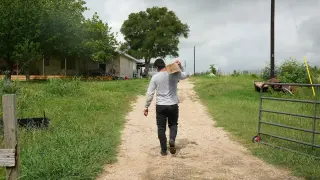
A San Fernando Valley stone worker, Enrique Gonzalez, developed silicosis after years of cutting engineered quartz countertops, leaving him unable to work and increasingly short of breath. He received a double lung transplant this summer and is now recovering at home with restrictions. California has seen a surge in silicosis cases (about 631 since 2019, with 31 deaths and 65 lung transplants), many undiagnosed; 151 cases so far this year. Gonzalez’s family is pursuing legal action against manufacturers they blame for the illness and has relied on GoFundMe to cover medical and daily costs, highlighting a broader occupational-health crisis tied to engineered stone.

Engineered stone dust linked to silicosis, 31 deaths and nearly 600 ill, study finds
health17 days ago

Engineered stone dust linked to silicosis, 31 deaths and nearly 600 ill, study finds

A California Department of Public Health study links silicosis from crystalline silica dust in engineered stone used for countertops to significant mortality and illness: 31 deaths and 65 lung transplants have been reported among affected workers, with nearly 600 ill, underscoring the need for stricter workplace protections for stone fabricators and construction workers.

Quartz Countertop Workers in California Face Deadly Silicosis Spike
health18 days ago

Quartz Countertop Workers in California Face Deadly Silicosis Spike

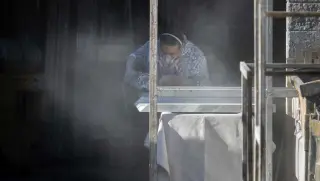
A seven-year California study links silica dust from engineered stone to silicosis, locating 592 cases (2019–2026) with 65 transplants and 31 deaths; most patients were Latino men and the median age at diagnosis was 46. Although safety rules exist and silicosis became reportable in 2025, exposure persists with few inspections and widespread violations, prompting calls for stronger controls (and even a ban on engineered stone) alongside safer substitutes and improved surveillance.

California’s engineered-stone boom tied to silicosis surge among countertop workers
health18 days ago

California’s engineered-stone boom tied to silicosis surge among countertop workers

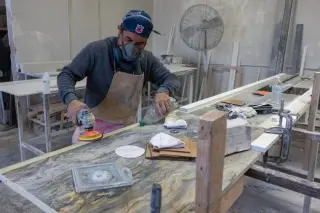
Latino men who cut artificial stone countertops in California are developing silicosis, a deadly lung disease caused by silica dust. California public health data show a sharp rise in cases (hundreds since 2023) with dozens of deaths and many patients needing lung transplants. Experts are calling for stronger safety rules, and regulators have begun moving toward emergency measures to curb fabrication of engineered stone.

Engineered stone crisis: Quartz countertops linked to deadly silicosis in the U.S.
health2 months ago

Engineered stone crisis: Quartz countertops linked to deadly silicosis in the U.S.

Two occupational health experts warn that engineered stone countertops (often marketed as quartz) expose workers to crystalline silica, fueling a growing silicosis crisis in the U.S. California has diagnosed more than 550 cases, with about 100 lung transplants and at least 30 deaths since 2019. Lawsuits against manufacturers and retailers are rising while enforcement remains under-resourced; global outbreaks have led to regulatory changes elsewhere, and calls mount for stricter rules or a US ban on crystalline silica–containing engineered stone.

Engineered-stone dust sparks rising silicosis crisis among countertop workers
health5 months ago

Engineered-stone dust sparks rising silicosis crisis among countertop workers

Engineered quartz countertop dust containing crystalline silica is driving a silicosis outbreak among U.S. countertop fabricators, with California reporting 519 confirmed cases and 29 deaths since 2019. Young workers, many in their 30s–40s, face irreversible lung damage and some require lung transplants. The rise has sparked lawsuits and a heated policy debate over manufacturer liability and OSHA protections, as lawmakers weigh bills to shield industry from civil suits. International experience from Israel and Australia shows the risk persists despite controls, and U.S. surveillance remains fragmented under current regulations.

Rising Cases of Black Lung Linked to Popular Quartz Worktops
health1 year ago

Rising Cases of Black Lung Linked to Popular Quartz Worktops

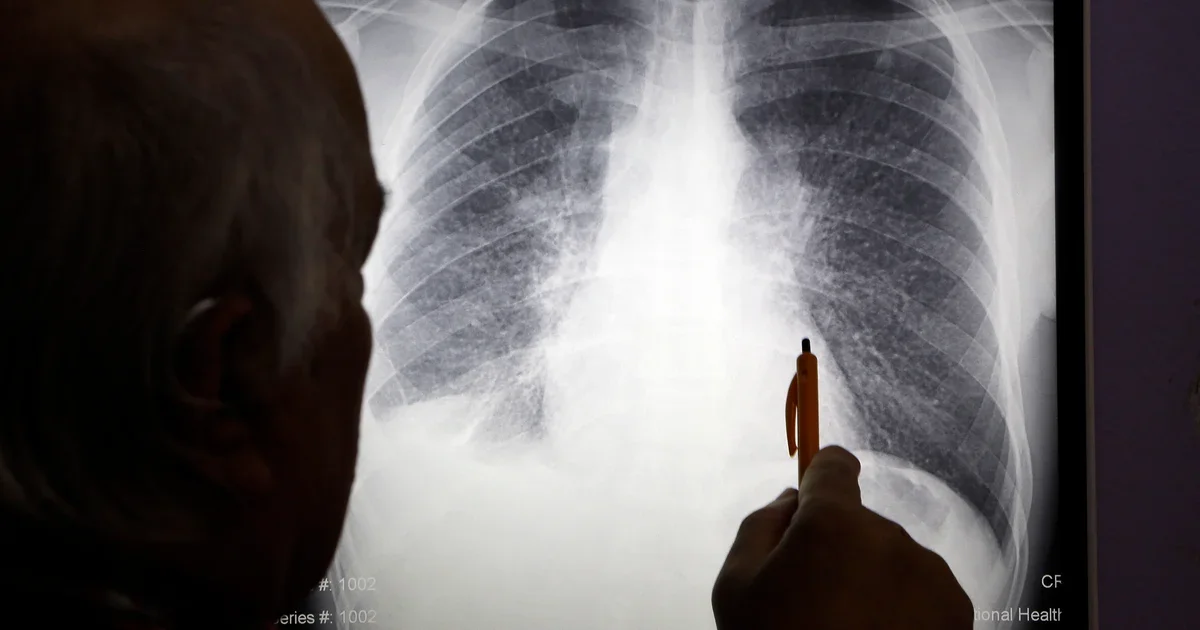
Doctors are raising alarms about a rising epidemic of silicosis, a deadly lung disease caused by inhaling silica dust from cutting quartz countertops. The condition, which causes irreversible lung scarring, is increasingly affecting workers in the stone-cutting industry, particularly those handling engineered quartz with high silica content. Many cases are underdiagnosed, delaying critical treatment. The disease is incurable and can lead to severe health issues, including the need for lung transplants. Researchers emphasize the need for better workplace safety and early screening, especially for vulnerable immigrant workers.

Urgent Call to Address Deadly Silicosis in Kitchen Countertop Industry
health1 year ago

Urgent Call to Address Deadly Silicosis in Kitchen Countertop Industry

Silicosis, a severe lung disease caused by inhaling silica dust, is increasingly affecting American stone and construction workers, leading to a surge in lawsuits against stone manufacturers. The disease, once thought to primarily affect miners, is now recognized as a significant risk for workers cutting quartz and granite countertops. Many affected workers, like Gustavo Reyes Gonzalez, face dire health consequences, including the need for lung transplants. The situation highlights the urgent need for better safety protocols and awareness in the industry.

Urgent Call for Action on Toxic Kitchen Worktop Materials
health1 year ago

Urgent Call for Action on Toxic Kitchen Worktop Materials

Marek Marzec, a 48-year-old father of three, is taking legal action against his former employers after being diagnosed with silicosis, a severe lung disease caused by inhaling crystalline silica dust from cutting quartz worktops. Marzec, who is now on end-of-life care, claims he worked in "appalling" conditions and hopes to prevent others from suffering similar fates. His legal team is calling for urgent safety measures to protect stone workers from the lethal dust, which has already claimed other lives.

"Identifying and Preventing Burnout: The Latest Tools and Strategies"
health-and-wellness2 years ago

"Identifying and Preventing Burnout: The Latest Tools and Strategies"

A study conducted in Norway found that approximately 13% of employees are at high risk of burnout, emphasizing the need for early intervention to prevent long-term consequences. Researchers have developed the Burnout Assessment Tool (BAT) to identify individuals at risk by measuring exhaustion, mental distancing, cognitive and emotional impairment. The tool is being tested in over 30 countries and aims to facilitate early intervention and prevent the physical and psychological effects of burnout. It is important to address high demands and limited resources in the workplace to safeguard employee health.