Tag

Marburg Virus

All articles tagged with #marburg virus

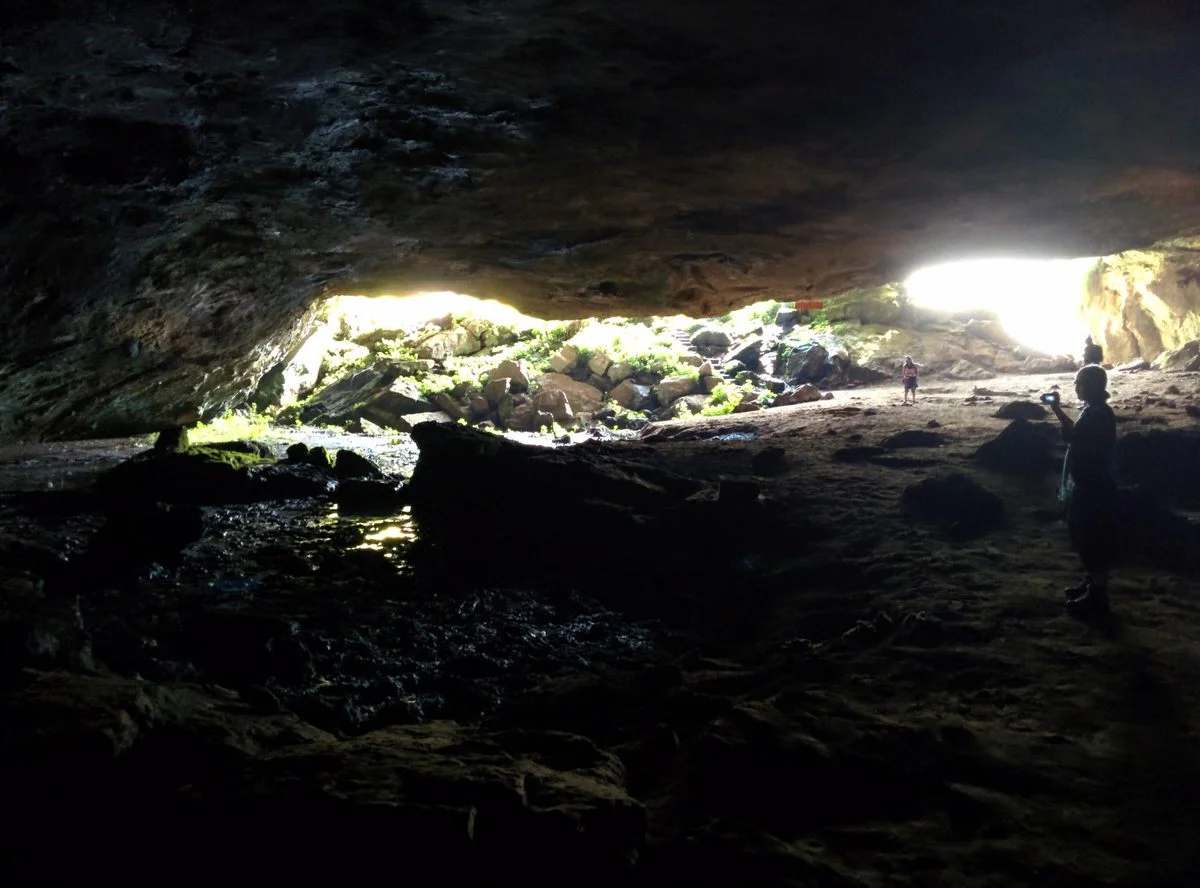
Cameras catch wildlife feasting on bats as tourists flock to Marburg hotspot cave
science1 month ago

Cameras catch wildlife feasting on bats as tourists flock to Marburg hotspot cave

Camera traps at Python Cave in Uganda captured 10 species feeding on Marburg-carrying Egyptian fruit bats, including leopards and blue monkeys, and logged over 200 human visitors during the monitoring period, underscoring how cave exposure has driven Marburg outbreaks and highlighting the spillover risk to people from bat roosts via direct contact or intermediaries.
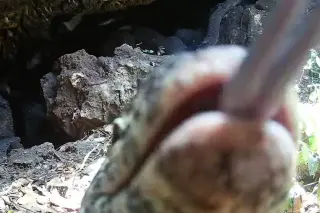

Cave raid: camera traps reveal 14 predators raiding a 40,000-bat roost in Uganda
science1 month ago

Cave raid: camera traps reveal 14 predators raiding a 40,000-bat roost in Uganda

Scientists in Uganda used camera traps at Python Cave to document 14 predators—leopards, blue monkeys, eagles and more—preying on about 40,000 Egyptian fruit bats that roost there, a known Marburg virus reservoir. The footage, published in Current Biology, shows unprecedented predation behaviors and could help explain how filoviruses spill over between species and how some animals might resist infection, while also highlighting human exposure risks near the roost and calling for stricter bat ecotourism rules.

Uganda cave cam reveals bats, leopards, and people shaping Marburg spread
science1 month ago

Uganda cave cam reveals bats, leopards, and people shaping Marburg spread

Camera-trap footage from Python Cave in Uganda shows 10 species feeding on Egyptian fruit bats that carry Marburg virus, including what may be the first documented case of a leopard catching live bats. The study also recorded more than 200 human visitors to the cave during the four-month filming period, despite warnings about Marburg. The findings illustrate how cave exposure remains a key driver of Marburg outbreaks and offer clues about potential intermediate hosts and transmission routes between bats and humans.

Behind a Waterfall Salt Cave Hidden Dangers: Marburg Virus Behind Kitum Cave
science2 months ago

Behind a Waterfall Salt Cave Hidden Dangers: Marburg Virus Behind Kitum Cave

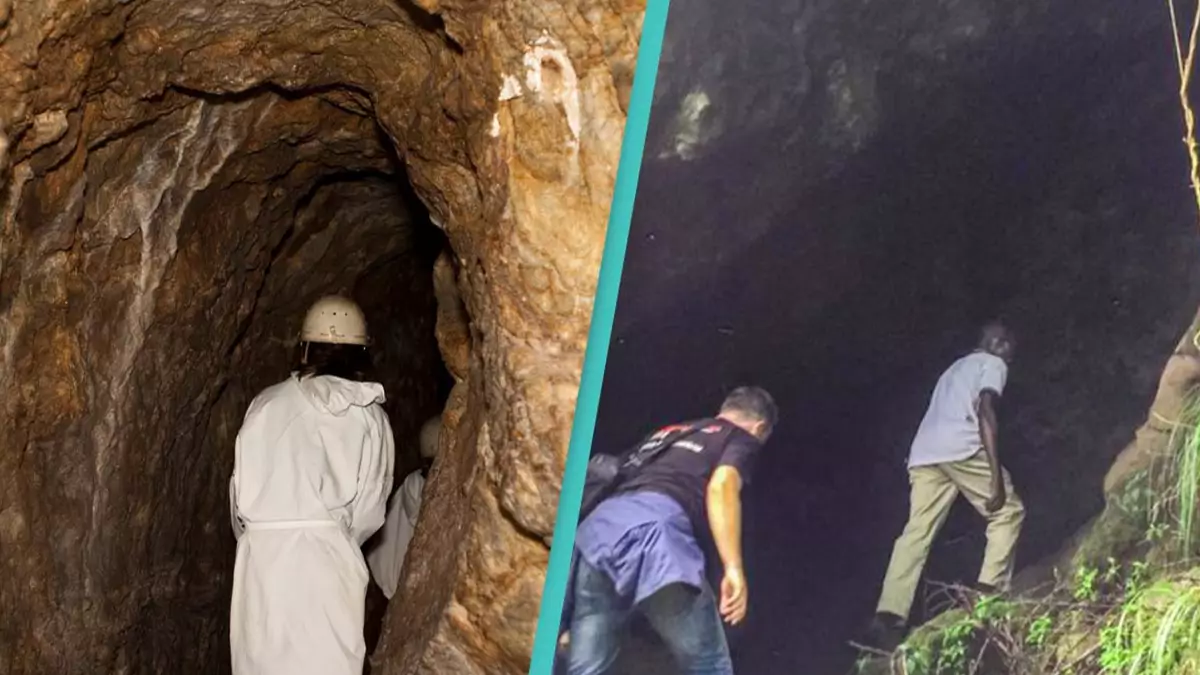
Hidden behind a waterfall in Mount Elgon National Park, Kitum Cave is a 200-metre-deep “elephant cave” that elephants visit to mine rock for salt. It harbors tens of thousands of bats whose ammonia-rich guano coats the floor. In the 1980s, two visitors died after contracting Marburg virus carried by fruit bats; the virus can cause internal bleeding and has an fatality rate up to 88%, with no vaccines or antiviral treatments, making the cave dangerous for humans (elephants appear unaffected).

Marburg virus glycoprotein engages NPC1 with a novel, high-affinity binding to boost entry
science2 months ago

Marburg virus glycoprotein engages NPC1 with a novel, high-affinity binding to boost entry

New cryo-EM structures of Marburg virus glycoprotein (MBV GP) in three states—unbound, NPC1-C bound, and nanobody-bound—reveal that MBV GP binds NPC1 with a distinct, higher-affinity orientation than Ebola GP, aided by a partially flexible glycan cap that blocks NPC1 only partially. NPC1 engagement induces substantial conformational changes in MBV GP that promote membrane fusion, explaining MBV GP’s markedly higher entry efficiency. A neutralizing nanobody, Nanosota-MB1, mimics NPC1 at the receptor-binding site and blocks NPC1 binding, neutralizing MBV pseudoviruses. Together, these findings illuminate MBV entry mechanisms and point to potential antiviral strategies targeting GP–NPC1 interactions and receptor-triggered transitions.

Bold doctor helps defeat deadly virus, sends kids away
health7 months ago

Bold doctor helps defeat deadly virus, sends kids away

Dr. Tsion Firew, a Rwandan emergency medicine chair, played a crucial role in managing Rwanda's successful response to its first Marburg virus outbreak, which had a low mortality rate of 23%. She faced personal risks, sent her children away for safety, and participated in experimental treatments, demonstrating resilience and dedication amid the deadly crisis. Her experience highlights the importance of science and effective public health strategies in combating infectious diseases.

Global Travel Warnings Issued Over Deadly 'Bleeding Eye' Virus Outbreak
health1 year ago

Global Travel Warnings Issued Over Deadly 'Bleeding Eye' Virus Outbreak

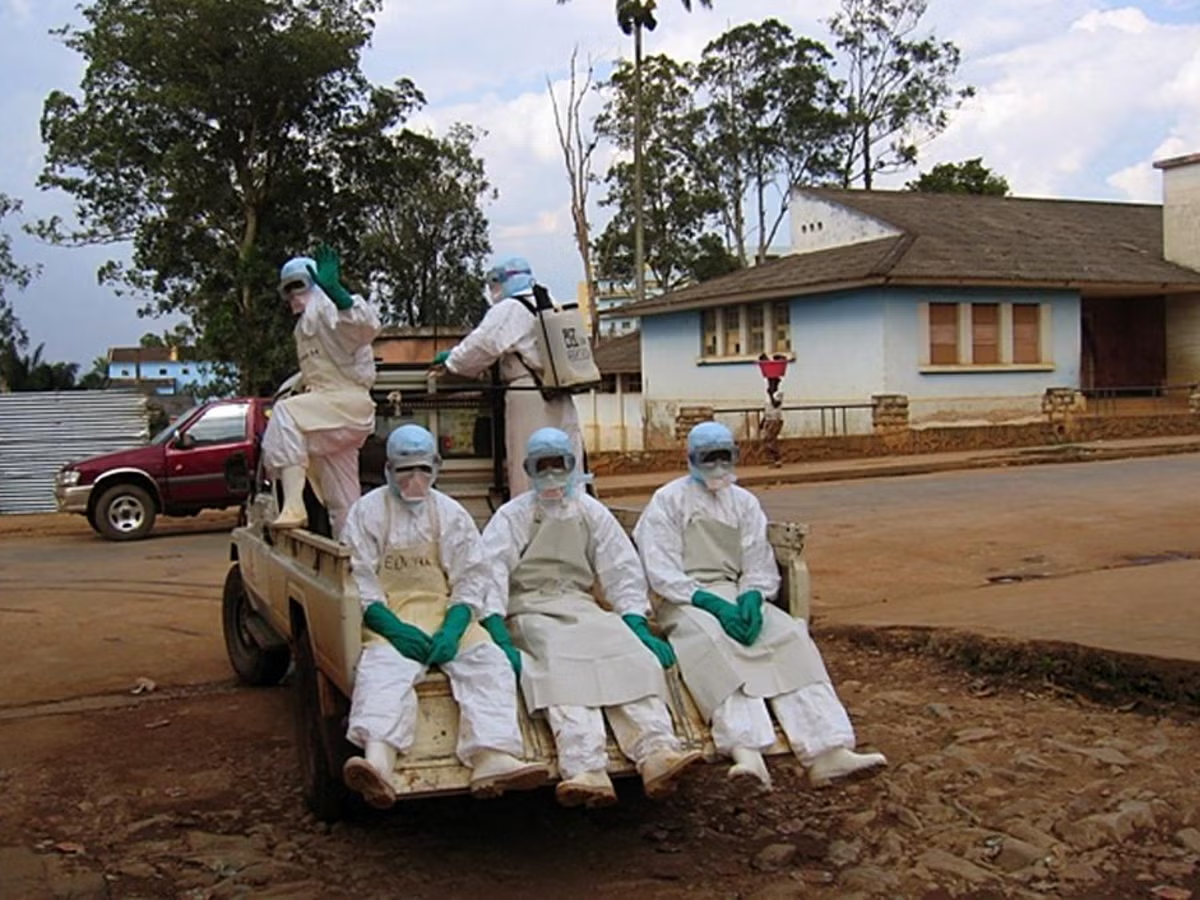
The Marburg virus, also known as "bleeding eye disease," has caused an outbreak in Rwanda, infecting 66 people and resulting in 15 deaths. This virus, related to Ebola, causes severe bleeding and has a high fatality rate. The World Health Organization has issued travel warnings, and the outbreak appears to be slowing, with no new cases reported for 28 days. The virus is spread by fruit bats and can incubate for up to 21 days. A potential vaccine is under trial, but no specific antiviral treatment exists yet.

"Exploring Kitum Cave: Uncovering the Origins of Deadly Viruses"
health-science2 years ago

"Exploring Kitum Cave: Uncovering the Origins of Deadly Viruses"

Kitum cave in Kenya, carved by elephants for salt, hosts some of the deadliest pathogens known to man, including the Marburg virus. The cave has been an incubator for zoonotic diseases, with bats carrying the deadly virus. Marburg virus, which can jump into humans from fruit bats, has been described as an epidemic-prone threat by the World Health Organization. There are no approved vaccines or treatments for the virus, and it can cause symptoms similar to Ebola and malaria, leading to bleeding from multiple orifices.

"The Deadly Mystery of Earth's Most Dangerous Cave Disease"
world-news2 years ago

"The Deadly Mystery of Earth's Most Dangerous Cave Disease"

Kitum Cave in Mount Elgon National Park, Kenya, is known as the 'most dangerous place on Earth' due to the presence of the deadly Marburg virus, believed to be spread by bats inhabiting the cave. The cave's walls, covered in marks from animals seeking salt, have attracted visitors over time, but in the 1980s, two people died after contracting the virus. Despite efforts to identify the source of the virus, the exact species responsible remains elusive, leaving the cave with a chilling reputation.

Preparing NYC for Marburg Virus: Training and Response Practices
health2 years ago

Preparing NYC for Marburg Virus: Training and Response Practices

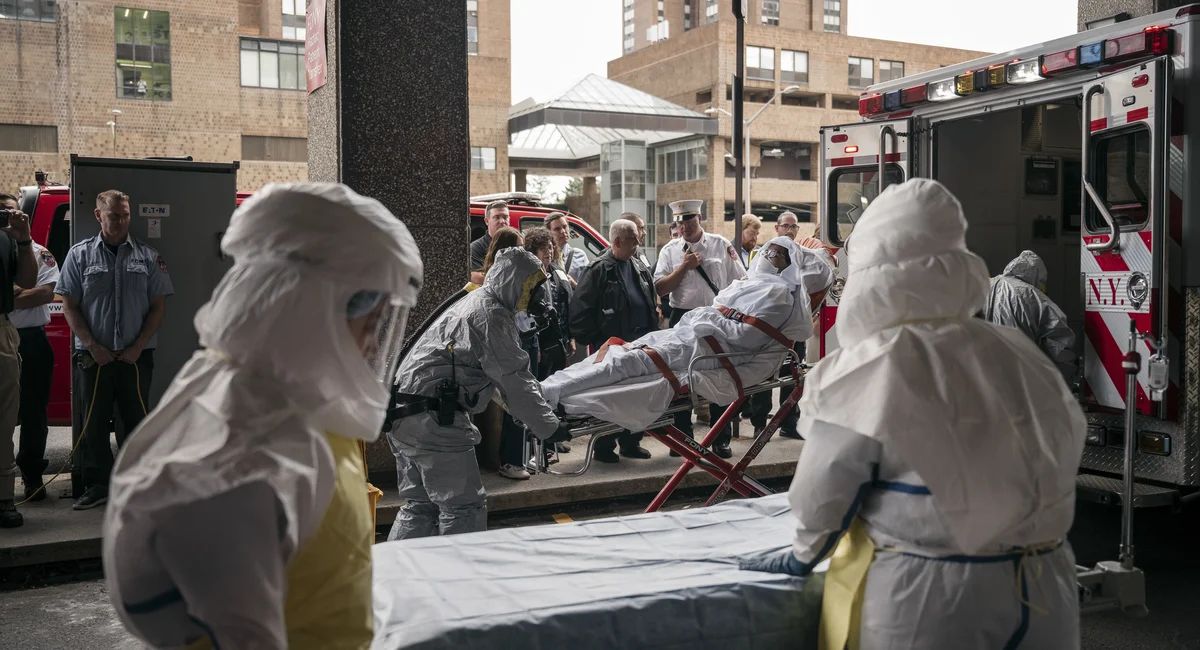
New York City conducted a simulation drill to practice its response to a potential case of Marburg virus, a severe hemorrhagic fever similar to Ebola. The drill involved paramedics and clinicians donning extensive protective gear and following protocols for isolating patients and protecting themselves. Although the U.S. has only recorded one case of Marburg in its history, health officials believe it is important to be prepared for rare or emerging diseases. The exercise aimed to ensure effective communication and coordination among healthcare providers, public hospital officials, and health departments in the event of an outbreak.

Unveiling the Marburg Virus: 5 Crucial Facts to Understand
health2 years ago

Unveiling the Marburg Virus: 5 Crucial Facts to Understand

The Marburg virus, a filovirus similar to Ebola, has caused an outbreak in Equatorial Guinea, with 15 confirmed and 23 probable cases and 34 deaths reported so far. The disease is transmitted through close contact with infected individuals or animals, and outbreaks often start when a person comes into contact with an infected animal. Symptoms include high fever, severe headaches, extreme fatigue, and eventually, bleeding. There is currently no vaccine or antiviral treatment for the Marburg virus, but surveillance, case detection, and isolation of infected individuals are crucial in preventing its spread.

Marburg virus outbreaks reported in African countries, CDC issues warning.
health3 years ago

Marburg virus outbreaks reported in African countries, CDC issues warning.

Two simultaneous outbreaks of the Marburg virus have been reported in Equatorial Guinea and Tanzania, with a total of 23 confirmed cases and 10 deaths. The Marburg virus is as deadly as Ebola, but until recently, it has been extremely rare. The virus is transmitted from bats to humans and has a mortality rate of up to 90%. There is currently no vaccine or post-exposure treatment for the virus. The WHO is ready to test vaccine candidates in Equatorial Guinea and Tanzania, but the fatality rate is still close to 50% even with rapid medical intervention.

New York on High Alert for Ebola-Like Disease Outbreaks, Says CDC.
health3 years ago

New York on High Alert for Ebola-Like Disease Outbreaks, Says CDC.

The Centers for Disease Control and Prevention (CDC) has issued a warning to health departments in the United States, including New York, to be on the lookout for cases of the Marburg disease virus, a rare illness similar to Ebola. The virus can spread from animals to humans or from human to human through contact with infected blood or fluids. Symptoms include sudden fever, headache, fatigue, muscle and joint pain, loss of appetite, gastrointestinal symptoms, or unexplained bleeding. There is currently no known cure. The CDC says there have been no reported cases in the US, but the warning is to increase awareness of the risk of imported cases.

Monitoring Marburg: A Deadly Virus to Watch
health3 years ago

Monitoring Marburg: A Deadly Virus to Watch

The Centers for Disease Control and Prevention (CDC) has issued an alert for US doctors to be aware of the Marburg virus, a rare but severe hemorrhagic fever that affects both people and non-human primates, following two confirmed outbreaks in Equatorial Guinea and Tanzania. Fox News medical contributor Dr. Marc Siegel has expressed concern that the governments of the affected countries are not sharing full details of the outbreaks, and criticized the World Health Organization (WHO) for not reacting appropriately. While the Marburg virus is not likely to become the next pandemic, doctors are advised to follow the same protocols for infection prevention and control as with the Ebola virus.

CDC alerts US doctors to Marburg virus after African outbreaks.
health3 years ago

CDC alerts US doctors to Marburg virus after African outbreaks.

The CDC has issued a warning to American public health officials and doctors about the rare Ebola-like Marburg virus, which has caused two confirmed outbreaks in Tanzania and Equatorial Guinea. The disease is usually spread through contact with infected bodily fluids and has high fatality rates. While there have been no reported cases in the US, the CDC seeks to increase awareness of the risk of imported cases. There is no FDA-approved vaccine for the disease, but early supportive care can be successful.