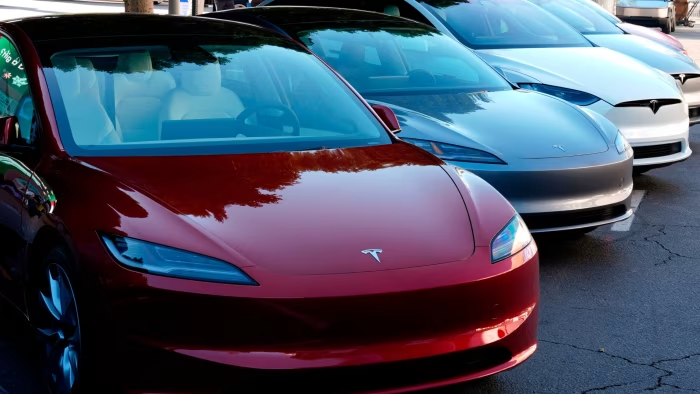
Tesla’s share of California’s new MyFirstEV rebate program was fully claimed within five days of its August 3 launch, spending an estimated $18 million. The program offers $3,500 off new EVs under $50,000, but Tesla’s dominance in California sales, despite a year-over-year decline, drove rapid depletion. Other automakers like Hyundai and Lucid also launched, with more joining later in 2026.
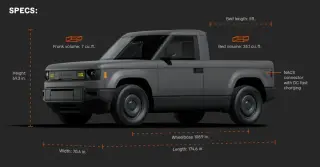
Slate Auto’s electric pickup now starts at $24,950 (SUV version $29,950). The much-discussed sub-$20,000 price lives on only for a small group of buyers who meet strict, income-based state incentives and, in some cases, purchase through an in-state dealer. With the federal $7,500 credit repealed, most of the remaining discounts depend on generous but limited-state programs (California’s up to $12,000 via Clean Cars 4 All for low-income households; Maine up to $8,000; Oregon’s Match/Charge Ahead program, paused and then reopening), plus funds that can run out mid-cycle. Slate’s direct-sales model can also affect eligibility in certain programs. In practice, the truck starts around $25k before taxes and fees for most buyers, with only a few states and circumstances yielding teen-dollar savings—making the “under $20k” headline applicable to a highly restricted audience. Delivery is targeted for late 2026.
Elon Musk criticized California's EV rebate proposal, which could exclude Tesla from consumer incentives if federal tax credits are removed. Meanwhile, Tesla and Rivian are nearing a settlement in a battery tech lawsuit, and Tesla has enhanced its referral program to boost deliveries. Volkswagen is partnering with Rivian for its Project Trinity EV, integrating Rivian's technology. Additionally, a tragic Tesla Cybertruck crash in California resulted in three fatalities.
California Governor Gavin Newsom has proposed an EV rebate program that may exclude Tesla, aiming to support smaller EV manufacturers. This move comes as a response to potential federal rollbacks on green subsidies by President-elect Donald Trump. Elon Musk criticized the proposal, highlighting Tesla's significant presence in California. Despite Tesla's strong sales in the state, its market share has declined, possibly due to Musk's political stances. Tesla's stock fell 4% following the news, though it has risen 40% since Trump's re-election.
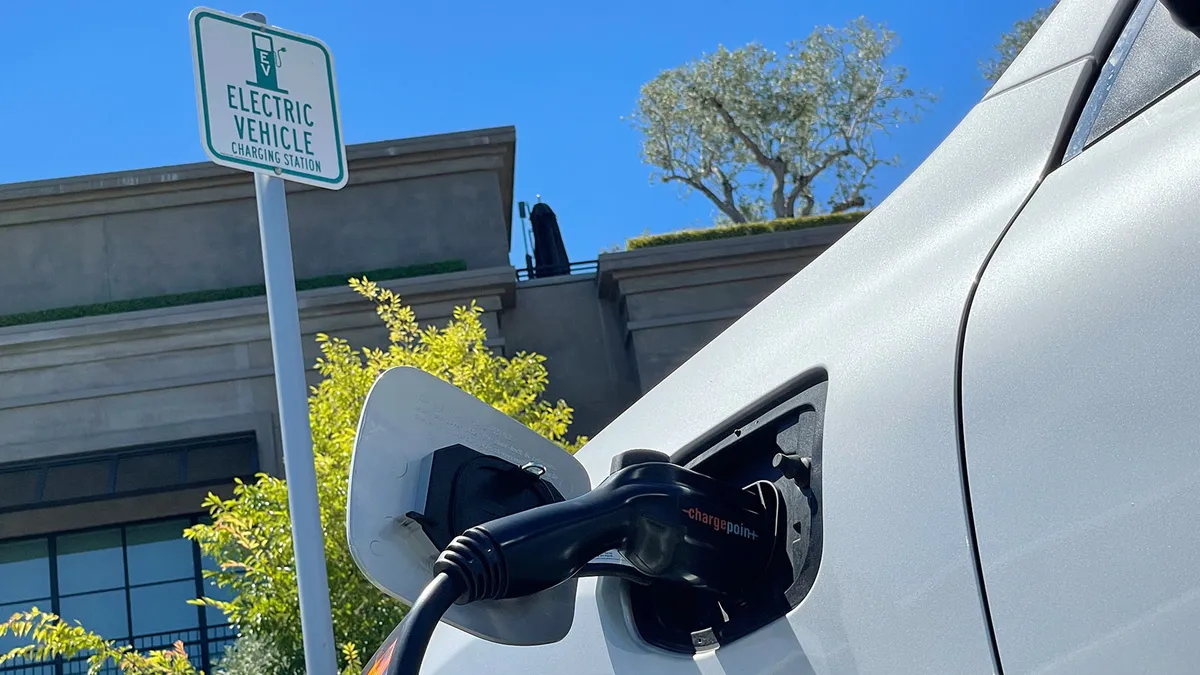
A new study in California has found that half of the state’s EV rebates are going to affluent areas, where the air quality is already higher, while just seven percent of California’s EV rebates went to communities that the state classed as “disadvantaged.” Even with a $7,500 tax break on an electric vehicle, most models are wildly out of the price range for anyone in a low-income household. The study warns that the way this money is distributed across the state would have an impact on the emissions in different locations.