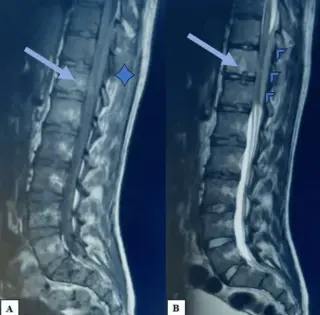
A 20-year-old male presented with acute spinal cord compression, leading to the diagnosis of a rare thoracic Ewing sarcoma. After surgical decompression and chemotherapy, the patient developed orbital metastasis six months later.
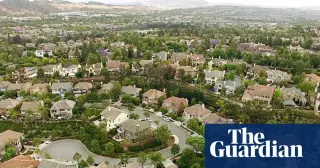
Residents of Ladera Ranch, California, are demanding an investigation into a potential cluster of rare Ewing sarcoma cases among children and young adults. While the California Department of Public Health has not confirmed an unusual pattern, local groups have paused pesticide use pending reviews. Experts caution that linking rare cancers to environmental factors is complex and may not yield definitive answers.
A small California community in Ladera Ranch confronts a puzzling rise in pediatric Ewing sarcoma diagnoses, prompting families to demand environmental investigations after Lilly Dalton’s death; state and federal agencies are reviewing potential factors like pesticides, water quality, and contaminated sites, while residents push for transparency and precautionary actions even as experts warn that proving a single cause is difficult.
A cluster of at least six cases of Ewing sarcoma in Ladera Ranch, California has prompted state and federal reviews and environmental testing. The California Department of Public Health is conducting a second look at cancer incidence in the area, while soil and water samples are being collected by Cal State Fullerton researchers to test for heavy metals and pesticides. Officials have not yet identified a specific environmental cause, and researchers caution that findings will not imply causality; results are expected by the end of 2026 as communities seek answers amid ongoing investigations and precautionary landscape changes by the local HOA.
Researchers in Ladera Ranch, California, including teams from Cal State Fullerton and USC, are collecting soil and water samples from three parks after six local cases of Ewing sarcoma and several deaths sparked fears of an environmental link. While a 2024 county review found no unusual patterns, officials are pursuing a focused environmental assessment amid community concerns about pesticide use.
A Ladera Ranch mom says she developed severe itching after walking through an area recently treated with Specticle G, fueling community worries about pesticide use and potential links to rare cancers like Ewing sarcoma. Officials are reviewing cancer rates in the area, the HOA paused Specticle G (initially 60 days, later extended to 120 days), and residents are urging transparency, a move to organic landscaping, and early alerts before applications. No official causal link has been established.
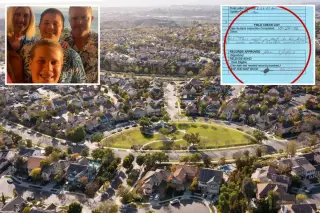
Newly surfaced handwritten notes warned against building over an abandoned oil well in Ladera Ranch, prompting renewed scrutiny of a cluster of Ewing sarcoma cases while officials caution that a direct link has not been proven and more data are needed.
Residents of Ladera Ranch are pursuing a possible cluster of rare Ewing sarcoma cases (at least six diagnosed since 2013) amid deaths like Brody Matteson’s, pressing for environmental investigations. The California Cancer Registry is reviewing local data, but doctors warn that proving a causal link is difficult and no proven environmental cause exists. A residents’ group, Ladera Health Watch, is studying pesticides, water and soil quality, old oil wells, and the nearby Prima Deshecha Landfill, seeking policy changes and more research funding while scientific studies have not established a causal connection.
In Orange County's Ladera Ranch, a cluster of rare cancers among children has prompted Capistrano Unified School District to pause routine landscaping chemicals for 60 days while officials review the products used on campuses, following a community meeting and growing concerns about environmental health. While officials say no environmental cause has been identified, residents advocate further testing and safety reviews, and federal officials have been urged to investigate potential environmental factors.
Capistrano Unified School District halted routine pesticide and herbicide use on OC campuses for 60 days to reconsider safer weed-control methods after reports of a cluster of rare childhood cancers in the Ladera Ranch area, including Ewing sarcoma; maintenance will rely on mechanical weed removal during the pause while officials review safer alternatives and federal investigators assess potential links.
Residents of Ladera Ranch, CA, are pressing officials after state data suggested a cluster of rare cancers among local kids, led by Ewing sarcoma. The California Cancer Registry reported fewer than 11 Ewing sarcoma cases there through 2021, with later diagnoses not included in that tally, prompting families to question environmental factors like pesticide use. While authorities say no link has been established, the issue has drawn federal attention and a private firm’s probe into potential exposures. Ewing sarcoma is extremely rare (about 200–240 cases nationwide each year), making the local cluster data controversial and fueling calls for more data and mapping of cases.
Since 2013, at least six children in the affluent Orange County community of Ladera Ranch have been diagnosed with Ewing Sarcoma, a rare and aggressive bone cancer, with several deaths in 2026. While residents blame pesticides, experts say no definitive environmental link has been established and urge a rigorous public health investigation to determine if a true cancer cluster exists. Doctors warn that symptoms can mimic sports injuries, and prognosis worsens with metastasis or recurrence, though modern treatments have improved localized-disease survival to around 70%. The community has taken precautionary steps, such as pausing certain pesticides while investigations continue.
Six children in Ladera Ranch, California have been diagnosed with Ewing sarcoma, a rare cancer, prompting residents to demand a comprehensive state review and a potential EPA investigation into environmental exposures such as pesticides, even as officials say there are no known lifestyle-related causes.
A cluster of unusually young patients in Orange County's Ladera Ranch has been diagnosed with Ewing Sarcoma since 2013, with multiple deaths in 2026, prompting calls for a public-health review and possible federal environmental investigation; while residents explore environmental links, experts say no proven exposure connection yet; the disease is rare but potentially treatable when localized, with modern therapies boosting survival to about 70% in localized cases, though outcomes are poorer if cancer has spread.
Residents of Ladera Ranch, California report a rising cluster of rare childhood cancers and are pressing officials to examine environmental factors such as pesticide exposure; officials have paused certain landscape pesticides and formed an advisory panel to review pest management, while health authorities and researchers explore potential links to cancers like synovial sarcoma and Ewing sarcoma, as more cases surface after a prior teen’s death.