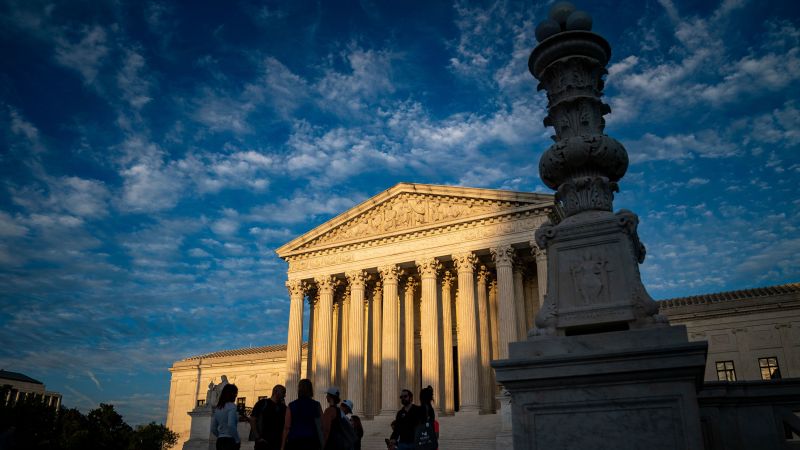
The Supreme Court ruled that a president can fire heads of independent federal agencies without cause, overturning Humphrey’s Executor and broadening presidential control over the bureaucracy, while stopping short of granting the same power over the Federal Reserve.
A bipartisan bill dubbed the PREDICT Act would bar members of Congress, the president, vice president and senior executive branch staff from trading in political prediction markets (e.g., Polymarket, Kalshi), extending to dependents and staff, with penalties including a 10% fine of the transaction value and profits owed to the U.S. Treasury. The proposal arrives as lawmakers push similar restrictions and platforms adjust rules to curb potential insider trading in these markets.
Gov. Lamont ordered Connecticut's executive-branch offices closed to the public on Monday due to a major winter storm. Level 1 staff should work as scheduled, while Level 2 staff should telework or use accrued leave, with telework encouraged for those normally in-person. The State Emergency Operations Center and regional offices are activated to coordinate response; decisions for judicial/legislative branches remain with their leaders. Emergency alerts and CTPrepares resources are available for ongoing updates.
The Commission of Fine Arts unanimously approved the nearly 90,000-square-foot White House ballroom design, while a federal judge weighs halting the project amid criticism from watchdogs that it’s too large.
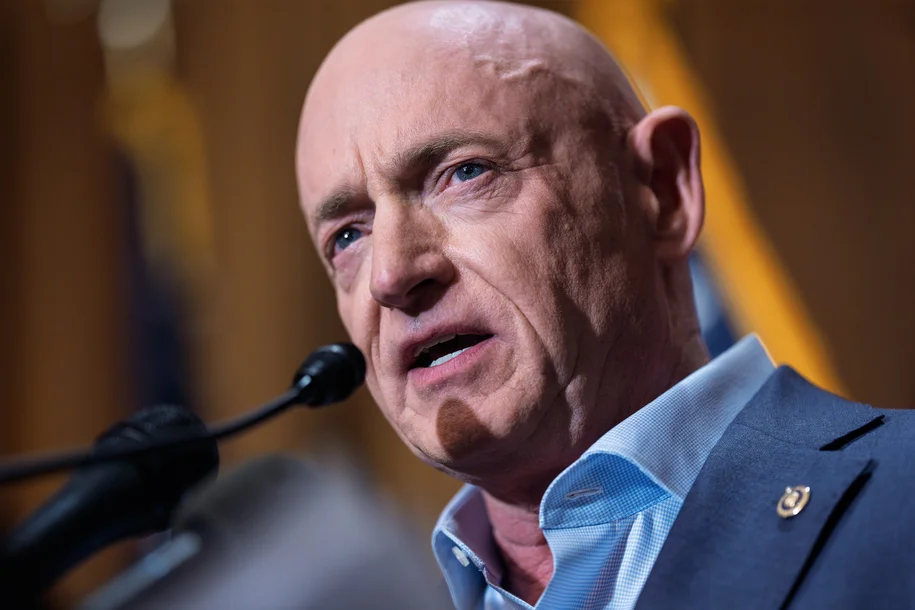
Federal judges are pushing back against executive overreach. Judge Richard J. Leon issued a lengthy, exclamation-filled 29-page ruling blocking Defense Secretary Pete Hegseth’s attempt to censure Sen. Mark Kelly for defending military personnel’s duty to refuse unconstitutional orders, underscoring First Amendment protections for legislators and retirees. In a separate case, Judge James Boasberg criticized the administration for defying court orders and insisted on facilitating the return of Venezuelans and allowing challenges to their deportations, reflecting ongoing lower-court resistance to executive non-compliance.
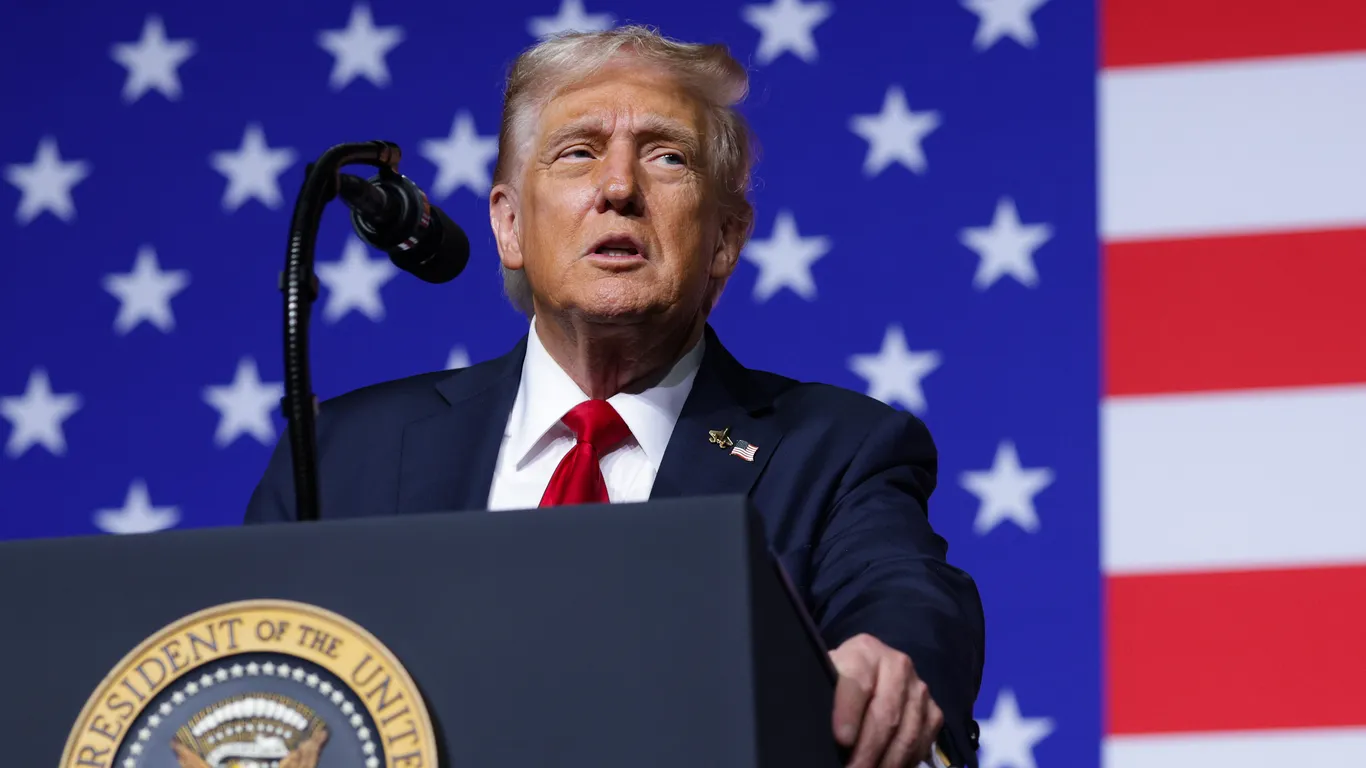
President Trump referenced Project 2025, a controversial blueprint for reshaping American government and policy, despite previously distancing himself from it during his 2024 campaign, highlighting ongoing political debates over its implications.
A new private club called Executive Branch, linked to Donald Trump Jr. and costing up to $500,000 for membership, is opening in Washington D.C., raising questions about its target clientele, purpose, and location in Georgetown Park.
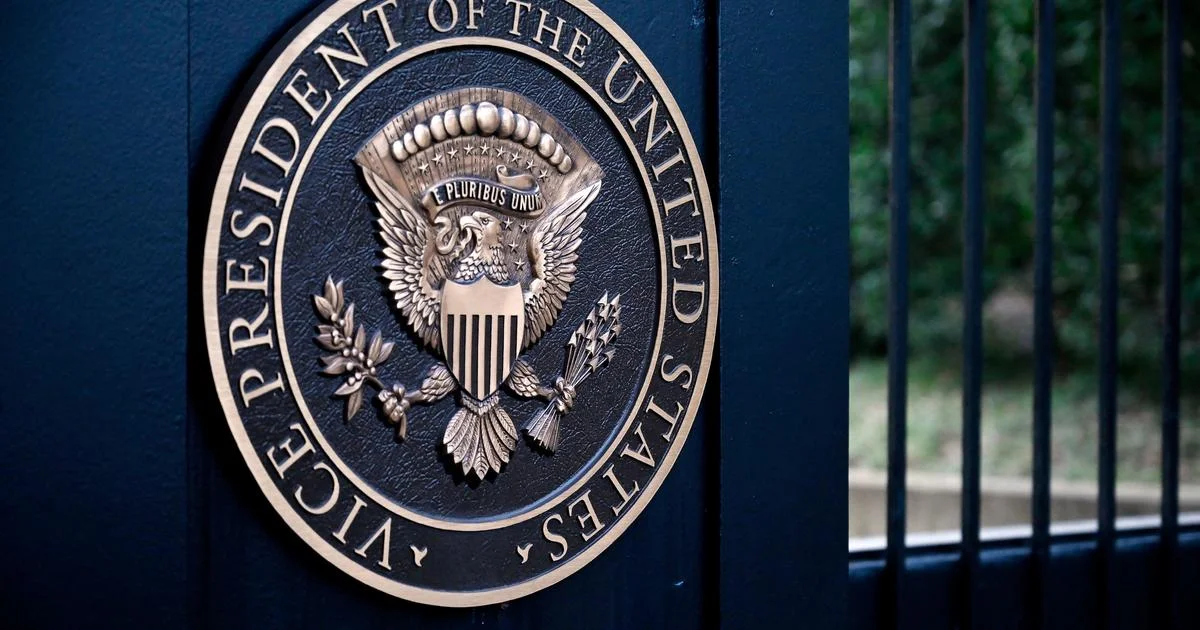
The U.S. Vice President's salary is $235,100 annually, despite being set at $284,600 for 2024 due to a pay freeze since 2019. This salary is lower than that of the Chief Justice and associate justices of the Supreme Court. The last increase was in 2019, with the role's compensation considered reasonable given its duties. Vice presidents also receive perks like Secret Service protection and can earn significant sums post-office through speaking engagements and book deals.
Governor Lamont has ordered all State of Connecticut executive branch office buildings to be closed to the public on Tuesday, February 13, 2024, due to an anticipated significant winter storm. Level 1 state employees should report to work as scheduled, while level 2 employees whose job duties can be completed remotely should telework or use accrued leave. Those whose job duties cannot be completed remotely should not report to work in-person. The governor urges everyone to stay off the roads unless absolutely necessary and to check on neighbors, especially the elderly or those in need of assistance.
The upcoming Supreme Court term includes major cases on the First Amendment and social media, gun rights, racial gerrymandering, and the power of the executive branch. The court will also consider cases on medication abortion, transgender rights, and emergency requests related to the 2024 election. Key cases include challenges to firearms regulations, a racial gerrymandering case in South Carolina, a case on the power of federal agencies, a case on the future of the Consumer Financial Protection Bureau, a case on in-house enforcement proceedings of the SEC, and a case on the Purdue Pharma bankruptcy settlement. Additionally, the court will address the issue of state control over social media content moderation.
House China Committee Chairman Mike Gallagher is introducing the "DADDY Act," a bill that would prohibit immediate family members of executive branch officials from working for certain foreign companies. The bill aims to prevent family members from taking roles on the boards of foreign companies while their relative holds office. The bill covers immediate family members of the president, vice president, and cabinet officials. Violations would be punishable by fines and imprisonment. The bill comes amid investigations into the Biden family's overseas business dealings.
Donald Trump and his allies are planning to increase presidential power if he is reelected in 2025, aiming to concentrate greater authority in the hands of the president. Their plans include bringing independent agencies under direct presidential control, reviving the practice of "impounding" funds, stripping employment protections from career civil servants, and removing officials from intelligence agencies, the State Department, and defense bureaucracies. Trump's campaign website and policy proposals outline these intentions, which are part of a broader effort to reshape the executive branch and dismantle what they view as a "rogue administrative state." Critics argue that these plans would undermine democratic checks and balances and could lead to chaos and conflicts with Congress and the courts.
The Supreme Court will review a federal appeals court decision that allows a few members of Congress to sue a government agency for records related to a Washington, DC, hotel once partly owned by former President Donald Trump, even if they don’t have enough votes to issue a subpoena. The case raises questions about when members of Congress have the legal right to sue an executive agency for documents under a specific federal law, Section 2954. The Biden administration argued that if the lower court ruling is allowed to stand, it will harm the independence of the Executive Branch. The case will be heard next fall.