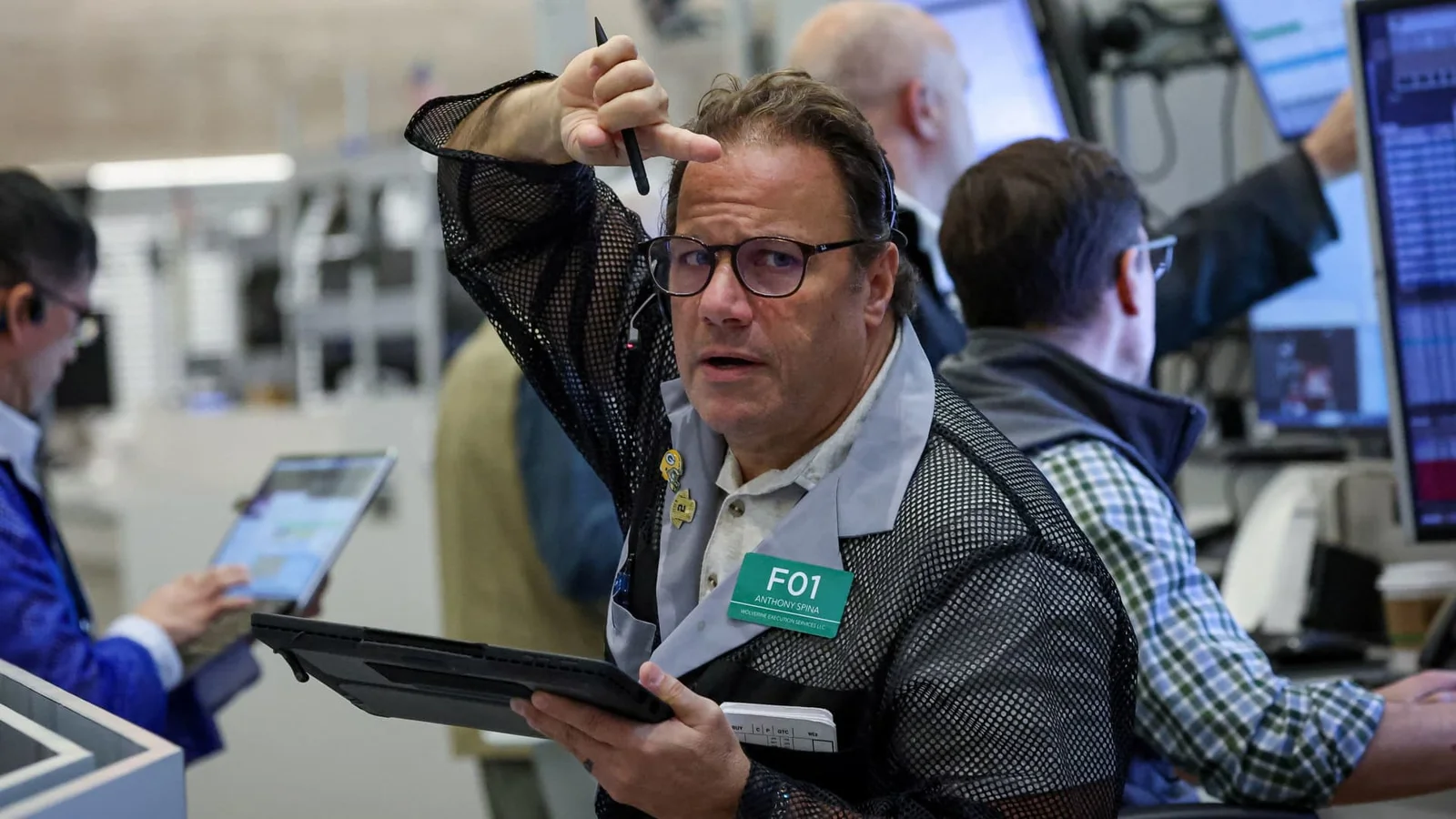
The Dow, S&P 500 and Nasdaq opened down as oil prices surged on geopolitical headlines, with traders awaiting the Federal Reserve's rate decision at 2 p.m. ET and digesting hotter inflation signals.
Oil prices rebound, pushing stock futures lower as energy markets drive broader moves amid Middle East tensions. Brent rose to about $103 a barrel and U.S. crude to around $97, while Nvidia flagged a potential $1 trillion revenue opportunity, boosting sentiment. Investors await the Federal Reserve decision, with odds of a rate hold amid inflation risk from higher oil, and geopolitical tension continuing to influence markets.
The Dow Jones hit a record high of 48,040.64 ahead of the Fed's expected rate cut to 3.75%-4.00%, amid ongoing trade negotiations and economic uncertainty due to the government shutdown. Key movers include Nvidia reaching a $5 trillion valuation and Caterpillar beating earnings expectations. The market is also influenced by U.S.-South Korea and potential U.S.-China trade deals, with the DIA ETF rising in tandem with the Dow.
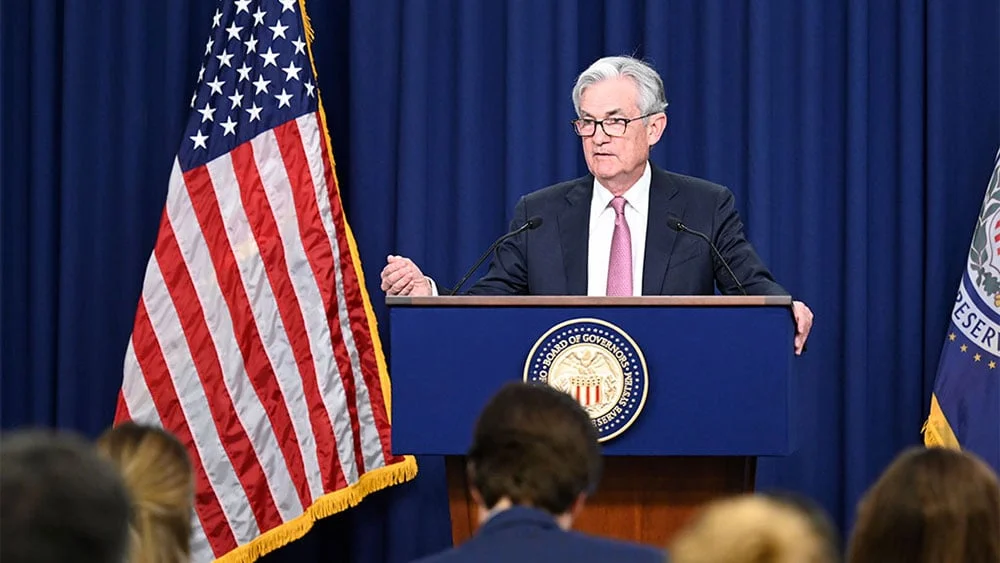
Stock futures rose ahead of the Federal Reserve's interest rate decision, with Nvidia reaching new highs and key earnings reports from companies like Boeing and Verizon influencing market movements. Wall Street awaits Fed Chair Powell's comments, with expectations of a rate cut, while Nvidia's stock surged nearly 4% premarket, extending a winning streak.
Stock futures were mostly unchanged as investors awaited the Federal Reserve's interest rate decision, with major averages hitting new records recently. Expectations are for a quarter-point rate cut, and market sentiment is buoyed by easing US-China trade tensions and positive earnings reports from key companies. However, risks like high valuations and government shutdowns remain.
US stocks reached new highs with Nvidia leading gains ahead of the Fed's interest rate decision, amid strong earnings reports and optimism about AI industry growth, while gold prices fell and consumer confidence weakened.
Stock futures edged higher following strong earnings reports from companies like UPS, UnitedHealth, and PayPal, amid anticipation of key tech earnings, a Federal Reserve rate cut, and positive developments in US-China trade relations, contributing to record highs in major indices.
Last week, major stock indexes hit record highs driven by positive inflation data and trade optimism, with the Federal Reserve likely to cut interest rates. This week features key earnings reports from tech giants and financial firms, along with global central bank decisions, including the Fed, Bank of Canada, Bank of Japan, and European Central Bank, amid ongoing trade talks between the US and China.
The stock market experienced a reversal after the Fed's decision to cut interest rates by a quarter point, with the S&P 500 and Nasdaq falling while the Dow initially rose; traders await Fed Chair Powell's upcoming press conference.
Gold prices declined from record highs as investors awaited the U.S. Federal Reserve's interest rate decision, with expectations of a 25 basis point cut influencing market sentiment. Deutsche Bank raised its gold price forecast for 2026, citing easing U.S. rates and Fed independence concerns. Other metals like silver and copper also traded lower ahead of the Fed's announcement.
The Dow Jones index declined slightly despite strong retail sales and an upward revision of Q3 GDP estimates, as investors await the Fed's interest rate decision. Apple led tech gains with new product launches, while Chevron benefited from rising oil prices. Most financial stocks remain muted ahead of the Fed meeting, and the DIA ETF tracks the Dow's movements with analysts optimistic about its future growth.
The Federal Reserve's upcoming interest rate decision coincides with the historically weak final quarter of the year for stocks, raising concerns about the sustainability of the current rally amid expectations of rate cuts and economic slowdown, though some analysts remain optimistic about continued growth into 2026.
Oil markets have seen a sharp decline in prices with both Brent and WTI crude sliding over $3 per barrel after Goldman Sachs lowered its Brent forecast for December to $86 a barrel. The markets remain on edge ahead of a crucial Fed decision on interest rates on Wednesday, which has led to a stronger dollar, making dollar-denominated commodities more expensive and weighing on oil and commodity prices. The bearishness in the oil market is due to increasing supply from Russia, Iran, and Venezuela, growing recession fears, and persistent headwinds to higher prices from higher interest rates.