Iran will base its World Cup camp in Mexico and travel to the United States for its three Group G matches after Washington declined to host; FIFA confirmed the move, Mexico’s president said hosting there could avoid visa issues, and the games are scheduled in Los Angeles (June 15, 21) and Seattle (June 26).
Iran’s football federation says FIFA approved moving its World Cup training base from Tucson, Arizona to Tijuana, Mexico due to security/visa concerns amid regional tensions, though FIFA has not publicly confirmed the change; the team will train near San Diego while playing Group G games in Inglewood and Seattle, with the base’s proximity and facilities cited as benefits and potential Iran Air travel via Mexico.
New York City Mayor Zohran Mamdani brokered a deal with FIFA to provide 1,000 World Cup tickets to NYC residents at $50 each, allocated by ballot across seven MetLife Stadium matches (excluding the final) with free bus travel; the tickets come from joint host committee allocations and are non-transferable to curb scalping. The entry window runs May 25–5pm ET, with up to 50,000 applicants per day, and winners announced June 3 who can buy up to two tickets to bring a child. This marks a rare citywide affordable-access effort ahead of the 2026 World Cup hosted in the US, Canada, and Mexico.
Hotels say FIFA-blocked rooms for World Cup 2026 in major U.S. cities have largely been canceled, undermining projected tourism and GDP gains even as FIFA maintains bookings were managed under contract and occupancy may rise closer to kickoff.
DR Congo’s World Cup squad canceled the Kinshasa leg of its pre-tournament camp due to Ebola-era health restrictions, but will still travel to Europe and then Houston for training ahead of its June 17 opener in Houston against Portugal, with visa and entry hurdles in the US being navigated by FIFA, the White House task force and public health authorities as CDC travel rules and WHO guidance shape their path to the tournament.
FIFA announced a Super Bowl-style halftime show for the July 19 World Cup final at MetLife Stadium featuring Shakira, Madonna and BTS, curated by Chris Martin to benefit the FIFA Global Citizen Education Fund; the plan has sparked mixed reactions—some applauding the global star lineup and charity angle, others worried it distracts from the game and resembles American sports traditions.
FIFA plans to stage the 2026 World Cup final halftime show on the MetLife Stadium field, potentially pushing the interval well beyond the usual 15 minutes; last year’s Club World Cup used a stand-alone stage to protect the turf. The lineup is expected to be announced May 14, with Coldplay’s Chris Martin curating in partnership with Global Citizen and possible Shakira involvement. A field-based halftime mirrors Super Bowl production and could affect players, coaches, and broadcasters.
With a month until kickoff, FIFA’s official site still shows thousands of World Cup tickets unsold at high prices, released in small, staggered drops that often trigger long queues and glitches; experts say the strategy aims to maximize revenue and creates artificial scarcity, while prices on the secondary market drift lower but primary prices stay steep.
Iran says it will participate in the 2026 World Cup in North America but is requesting guarantees from FIFA and the hosts (USA, Canada, Mexico) including visas for all players and staff (including those who served in the IRGC), enhanced security, and assurances that the Iranian flag and national anthem will be respected; FIFA has stated Iran will participate to unite, and tensions surfaced after Iran’s federation chief was denied entry to Canada for a congress.
Iran was marked absent at FIFA’s 76th Congress in Vancouver, and reporting indicates it is pushing for World Cup visas for players who were formerly part of the Revolutionary Guards.
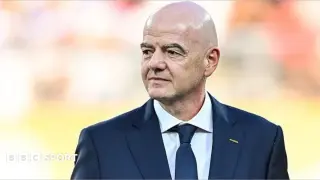
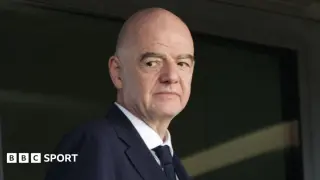
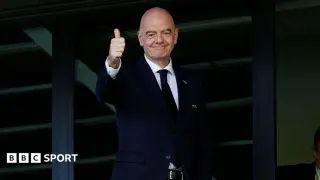
Ticket prices for the World Cup have spiraled, pricing out many fans as some US opening-game seats top $1,000 and the final exceeds $10,000; Infantino argues the spike isn’t FIFA’s fault but stems from American resales, a stance echoed by critics including Donald Trump.
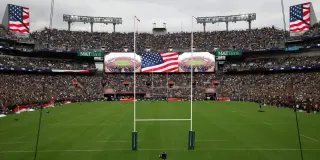
FIFA plans opening ceremonies for the three World Cup host nations (Canada, Mexico and the United States) with a star‑studded lineup, and two July 4 tributes in Philadelphia and Houston to mark America’s 250th anniversary. Ceremonies are scheduled 90 minutes before kickoff, lasting about 13 minutes (Mexico’s is about 16:30), with pre‑match protocol ceremonies following. The roster includes Katy Perry (US), Mana (Mexico), Michael Bublé/Alanis Morissette/Alessia Cara (Canada) and a range of international acts such as J Balvin, Anitta, Danny Ocean, Elyanna and Vegedream, among others. The piece also notes connections to Donald Trump’s America 250 push and the White House Task Force 250, and mentions a yet‑unrevealed final opening/closing show at MetLife Stadium and a World Cup album track Illuminate.”,
Iran says it will participate in the 2026 World Cup but has submitted 10 guarantees to FIFA and the hosts, including visa assurances for all traveling players, coaches and officials (even those tied to the IRGC), plus respect for the flag/anthem and enhanced security; many issues around visas, border controls and security vetting fall under US jurisdiction, complicating enforcement, and Tehran has indicated no withdrawal despite political tensions.
New Jersey will reduce World Cup travel fares for fans using NJ Transit from $150 to $105 by funding the cut with private sponsors and non-taxpayer dollars, including Audible; the state estimates about $60 million in costs to transport 40,000 fans to MetLife Stadium, plus security and train upgrades, while FIFA warned of a chilling effect from high prices and sponsors are expected to be announced next week as tickets go on sale.
Former President Donald Trump told the New York Post he wouldn’t pay four-figure prices for United States World Cup games, saying he didn’t know the exact price for the USMNT’s opener. FIFA had set a base Category 3 price of about $1,120 for many fans, and FIFA president Gianni Infantino defended dynamic pricing as market-driven, while critics debunked his claim that college games cost less than $300. Trump said he would like to attend but wouldn’t personally pay those prices.