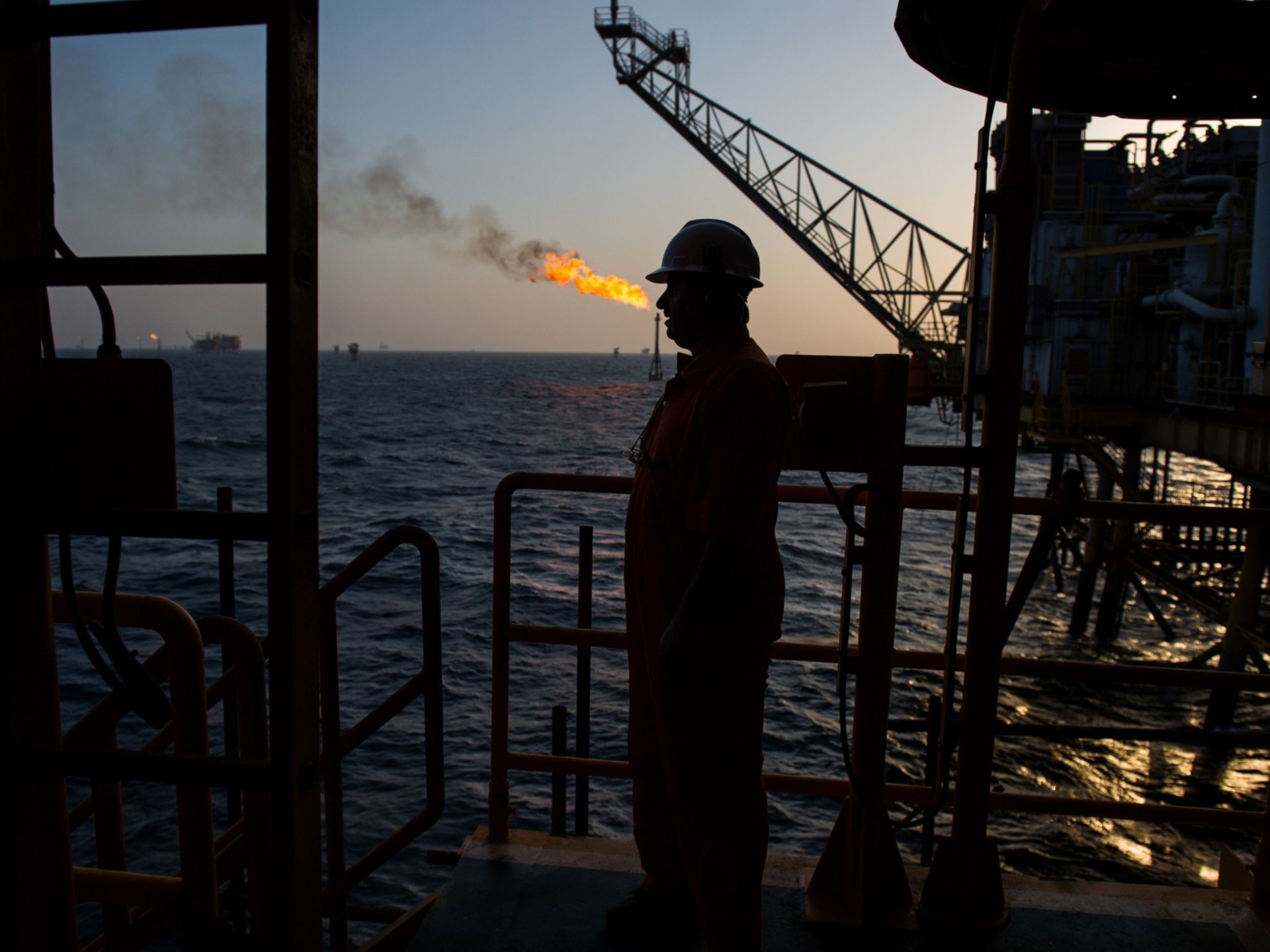
After Israel struck an Iranian gas field, Tehran has intensified attacks on Gulf energy facilities, signaling a broader escalation in regional hostilities and heightening risks to oil routes through the Strait of Hormuz.
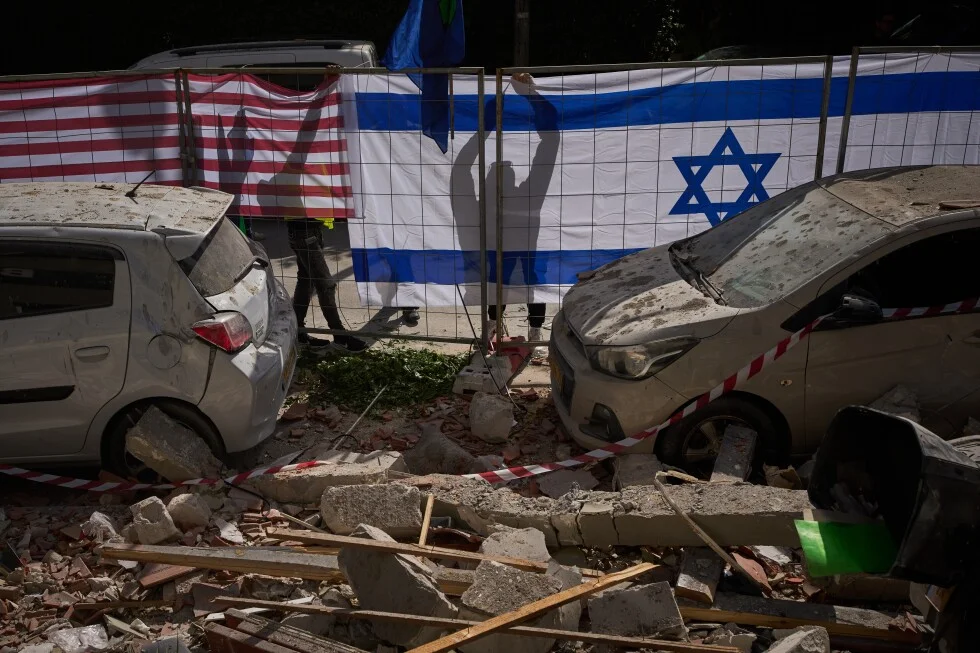
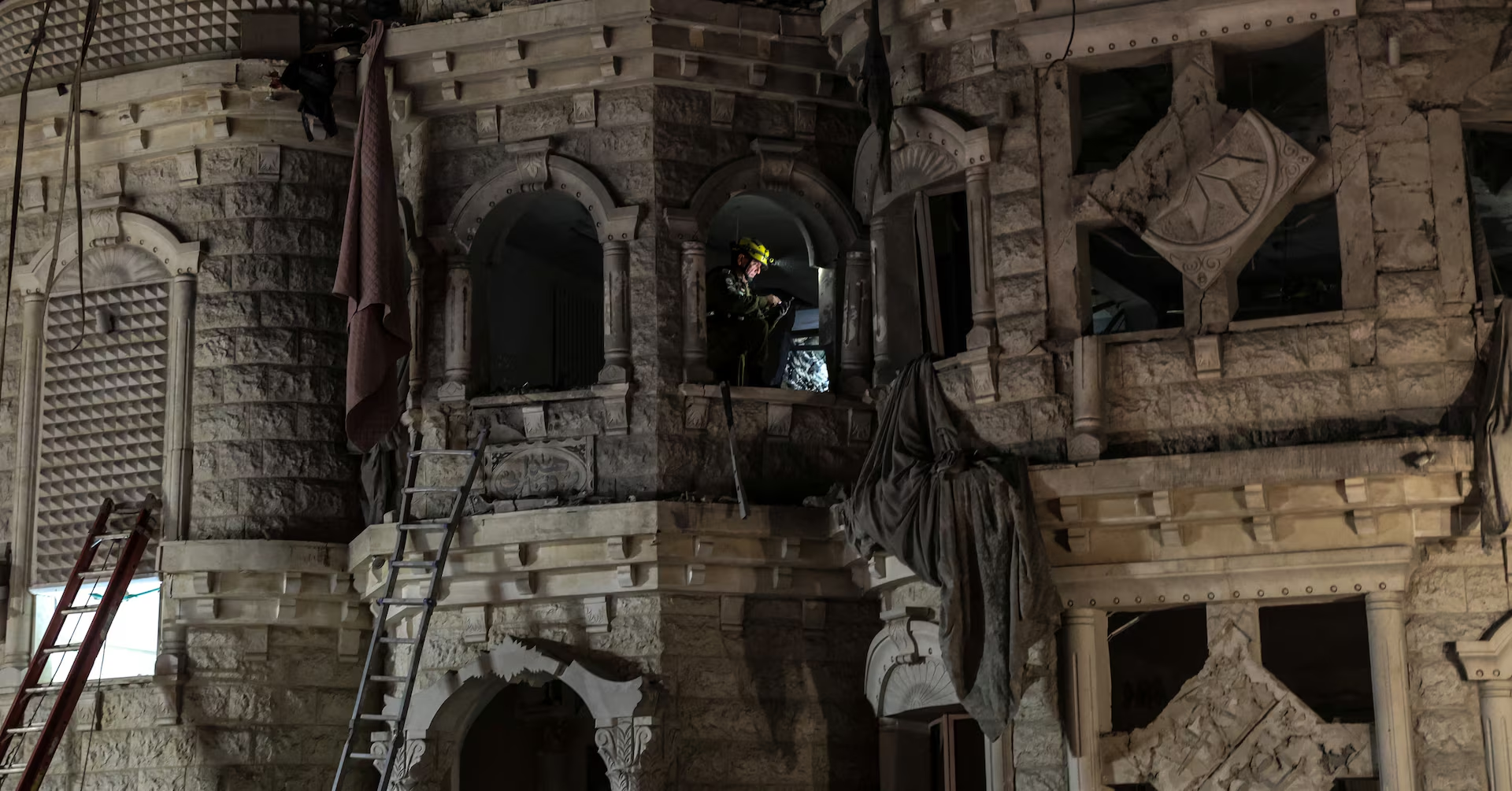
Israel and Iran engaged in a series of attacks, escalating tensions in the region, with Israel targeting Iran's military and energy infrastructure, and Iran retaliating with missile strikes. The conflict has led to casualties, damage to key facilities, and the cancellation of nuclear talks, raising fears of a broader regional war.
Israel has ordered the temporary shutdown of a major gas field operated by Chevron Corp. in the eastern Mediterranean due to safety concerns amid ongoing fighting between Hamas and the Israeli military. The closure of the field, located west of Haifa, threatens Israel's plans to become a major regional gas supplier. The gas field supplies natural gas to Egypt, which then exports it to Europe, and the stoppage may result in lower shipments or delays. Gas prices in Europe have already surged as much as 14%. Chevron is still supplying customers in Israel and the region from another major project called Leviathan.
Iran's oil minister has stated that Iran will pursue its rights and interests over the disputed Dorra-Arash gas field, which is also claimed by Saudi Arabia and Kuwait, if negotiations fail. The field, located in the resource-rich Gulf, has been a point of contention between the three countries for decades. Kuwait recently invited Iran for maritime border talks, but Kuwait's oil minister announced that they would begin drilling and production at the gas field without waiting for a border demarcation deal with Iran. The dispute over the field dates back to the 1960s, and previous attempts at resolution have been unsuccessful.