
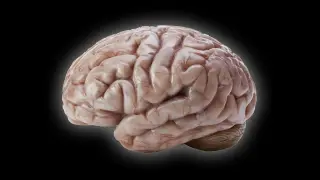
Cellular Slowdown Explains Why Marmoset Brains Lack Human-Like Wrinkles
Researchers at the German Primate Center identified why common marmosets have smooth, small brains unlike other primates. By comparing human and marmoset brain organoids, they found that marmoset neural progenitor cells divide more slowly, have simpler structures, and have a shorter window for rapid growth. These combined cellular changes reduce neuron production, limiting brain size and folding. The findings, published in Science Advances, offer new insights into primate brain evolution and potential mechanisms for human brain development disorders.